
Finding Lodging
Part one of a two-part series: Determine which kind of lodging is best for you, first
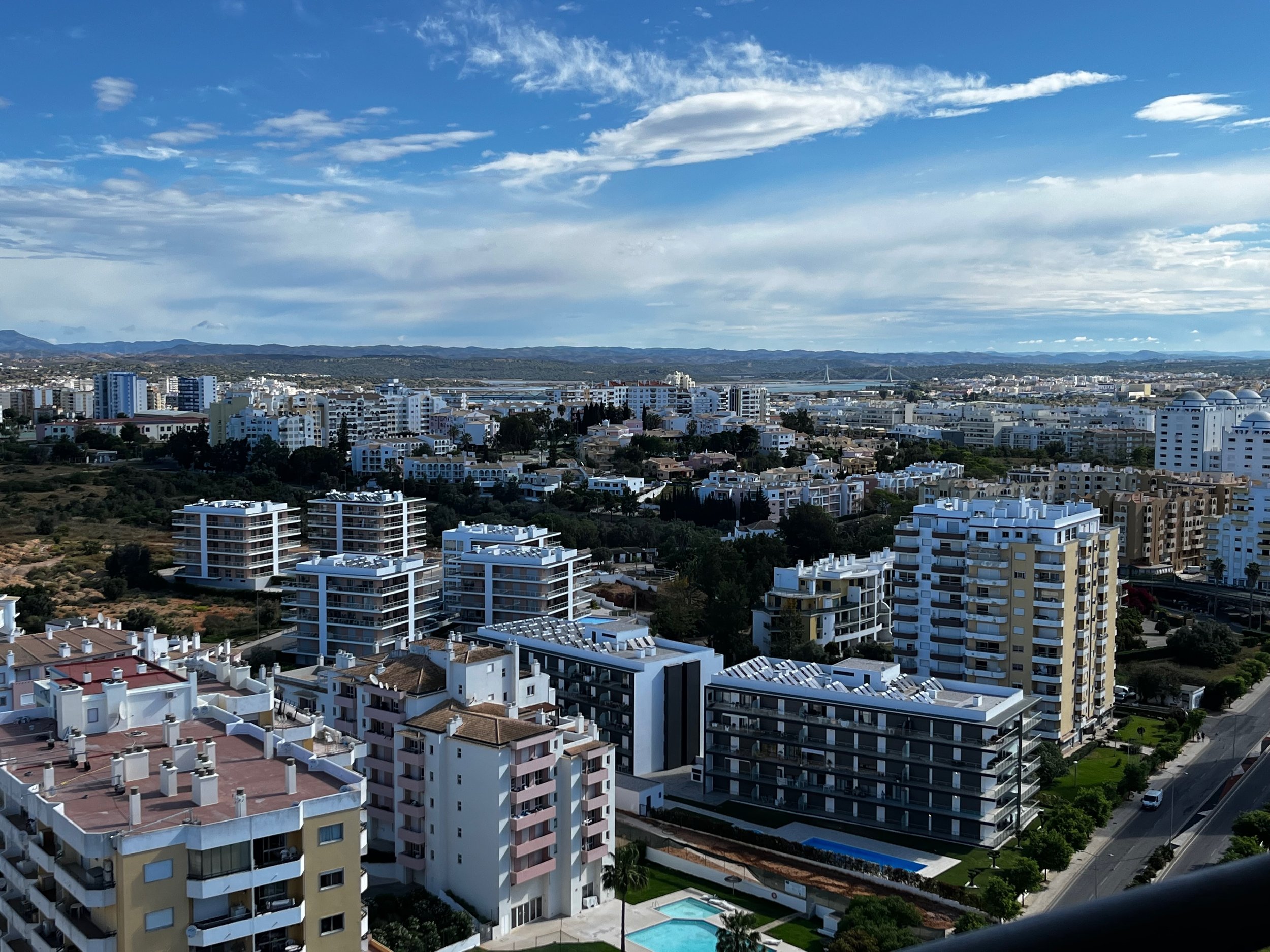
View from High Rise Vacation Rental in Portimão, Algarve, Portugal Photo by Wendy Stieg
This article contains affiliate links. If you book or purchase through one of these links, I may earn a small commission at no additional cost to you.
At Best of Both Worlds, the goal is simple: to help you create a trip that feels meaningful, well-paced, and genuinely enjoyable. We’ve already talked about getting into the right mindset when deciding where you want to go, packing light as a way to begin a journey with ease, and airfare, often one of the biggest expenses, and one that deserves thoughtful planning. Now it’s time to talk about lodging.
This article is the first in a two-part series on Finding Lodging, focused not on deals or hacks, but on choosing the kind of place that truly supports the experience you want to have. One friend of mine would not go camping if her life depended on it, while another takes epic backpacking trips with her closest friends every summer. I land somewhere in the middle, and our drive across Portugal and Spain in a VW California campervan was a testament to that. This leads to the best question to start with: what kind of lodging and experience do you actually want to have? Best of Both Worlds tends to focus on more budget-friendly options, but having some luxury during a vacation can also be special.
Still curious about how to make your ride from the airport easier? Try an airport transfer service like Welcome Pickups.
There are many different lodging options available, but here is how Best of Both Worlds classifies them. We focus on hotels, hostels, vacation rentals, independently run guesthouses, resorts, and campervans. Most of these options can be found around the world, and especially throughout Europe. The focus of this discussion is on what each type offers, where it shines, and where it can fall short.
Hotels

Hotel Vasco de Gama, Monte Gordo, Algarve, Portugal
Hotels are as varied as people, and the same is true of stars and ratings. They differ from country to country, city to city, and even neighborhood to neighborhood, which means they can be misleading if taken at face value. What hotels reliably offer is predictability: clear standards, ease of arrival, and a general sense of knowing what to expect. A better way to understand whether a hotel will work for you is to read reviews across multiple platforms and look for consistent patterns. Rick Steves often recommends considering one- and two-star, independently run hotels in great neighborhoods, close to the places you actually want to spend time, rather than defaulting to luxury. Best of Both Worlds has found this to be largely true, with one important caveat: bedding. Comfort and cleanliness matter. Checking photos carefully and even emailing a hotel directly can help gauge bed quality. Personally, having my own room and bathroom is non-negotiable, which also shapes how ratings land for me. A clean, comfortable two- or three-star hotel in a great neighborhood will outweigh a generic high-rise hotel almost every time.
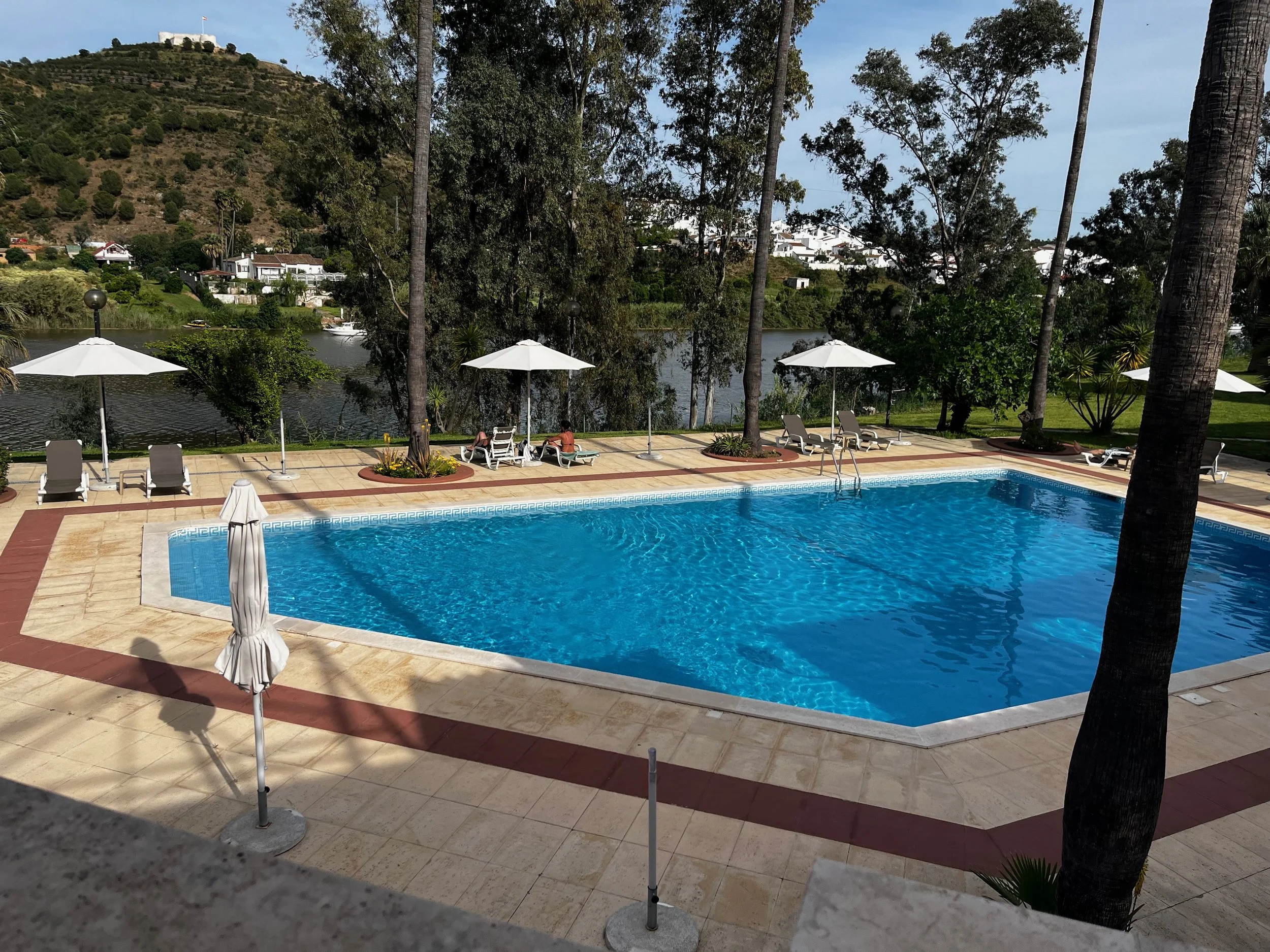
Hotel d’Alcoutim, Portugal
Hostels
Rick Steves has long championed hostels as a budget-friendly and deeply social way to travel, particularly in Europe, because they emphasize connection and local experience over luxury. What hostels offer is built-in community through shared kitchens, common areas, and an easy way to meet people who enjoy traveling in a similar way. They tend to shine for solo travelers, budget-conscious trips, and anyone seeking interaction rather than isolation, and they welcome travelers of all ages, not just the young. Many modern hostels now offer private rooms and solid facilities, making them more flexible than people expect. Where hostels can fall short is in privacy, noise, and rest quality, which makes reading reviews essential, especially to understand whether a hostel leans toward a party atmosphere or a quieter, more relaxed space. When chosen thoughtfully and in a good location, hostels can feel less like a hotel stay and more like spending time with friends who happen to love exploring the same places you do.
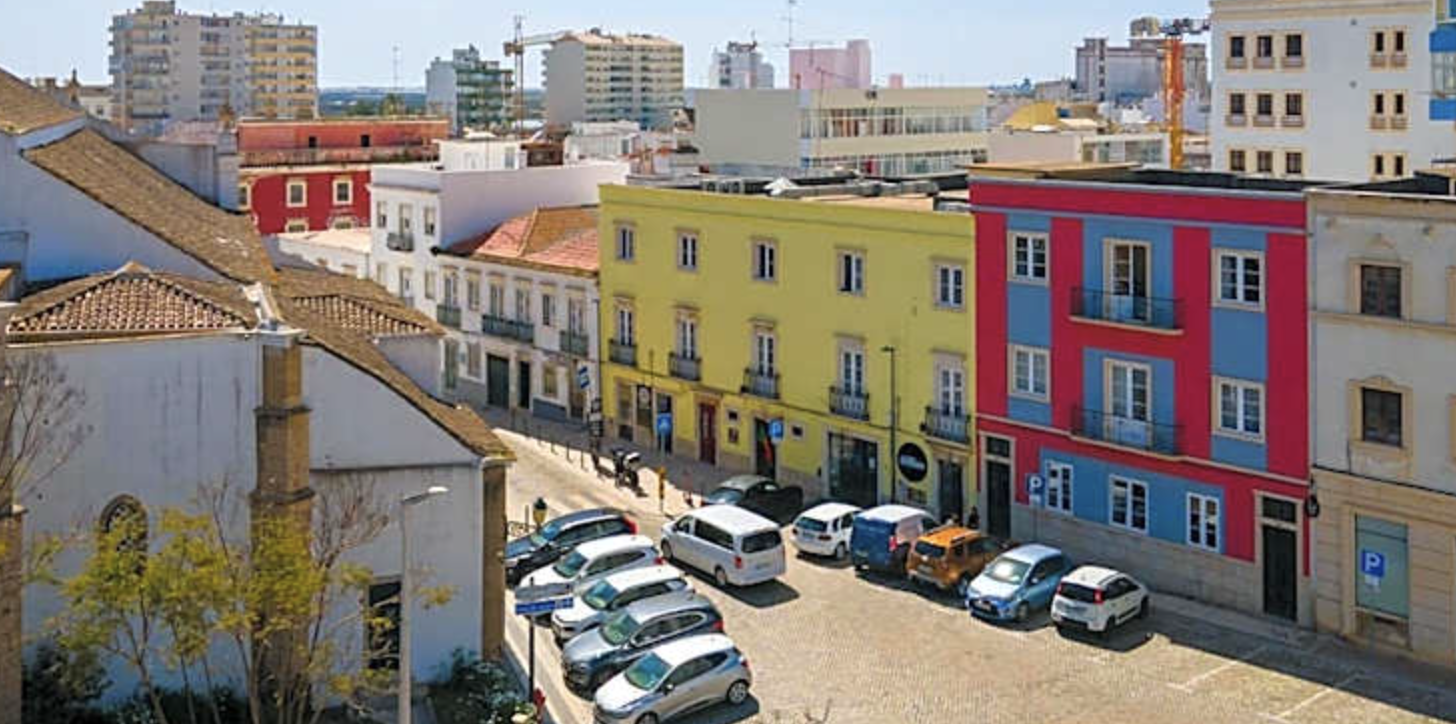
Hostellicious, 5 Star Hostel in Faro, Portugal
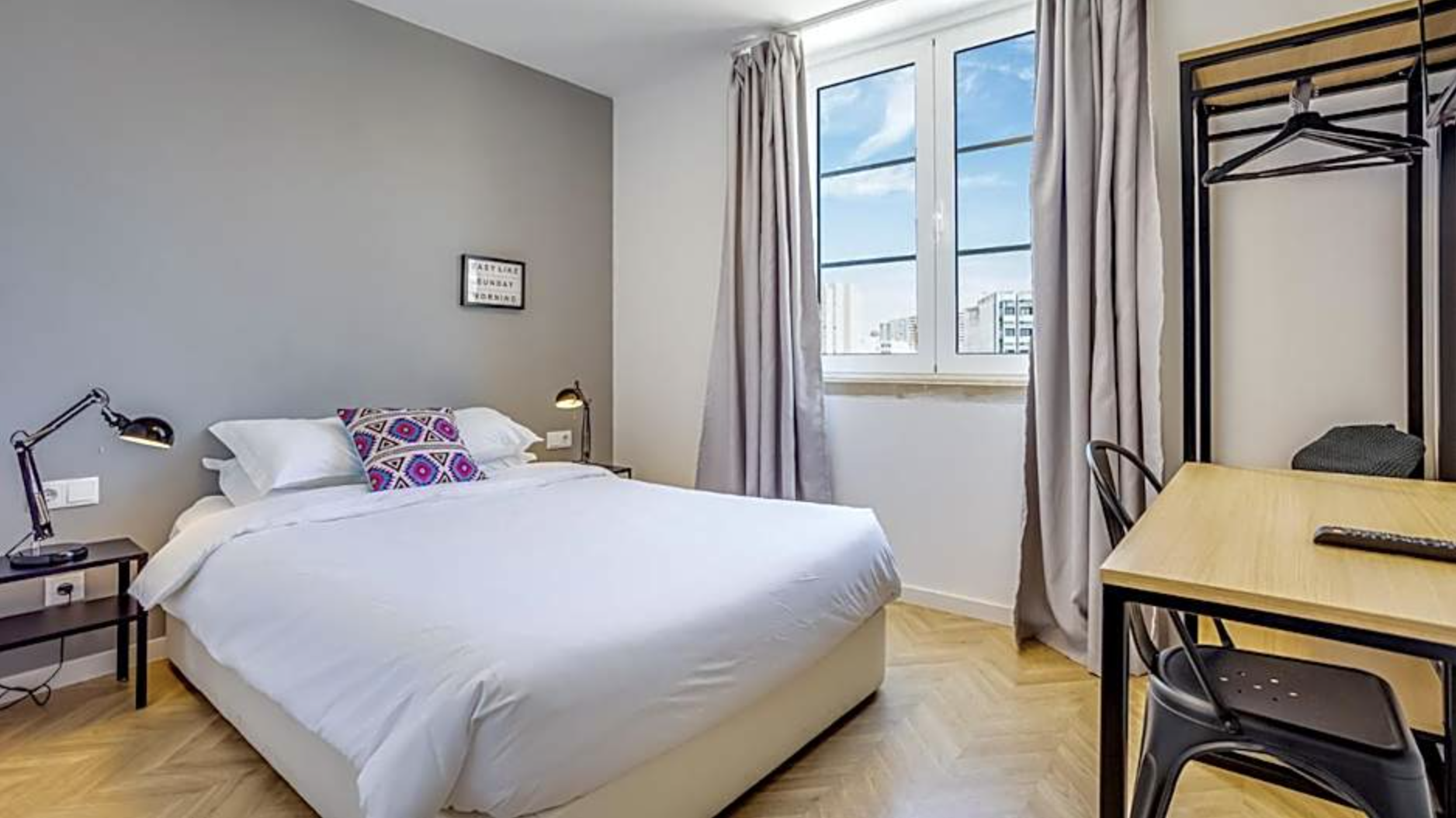
Hostellicious Guest Room, Faro Portugal
Vacation Rentals
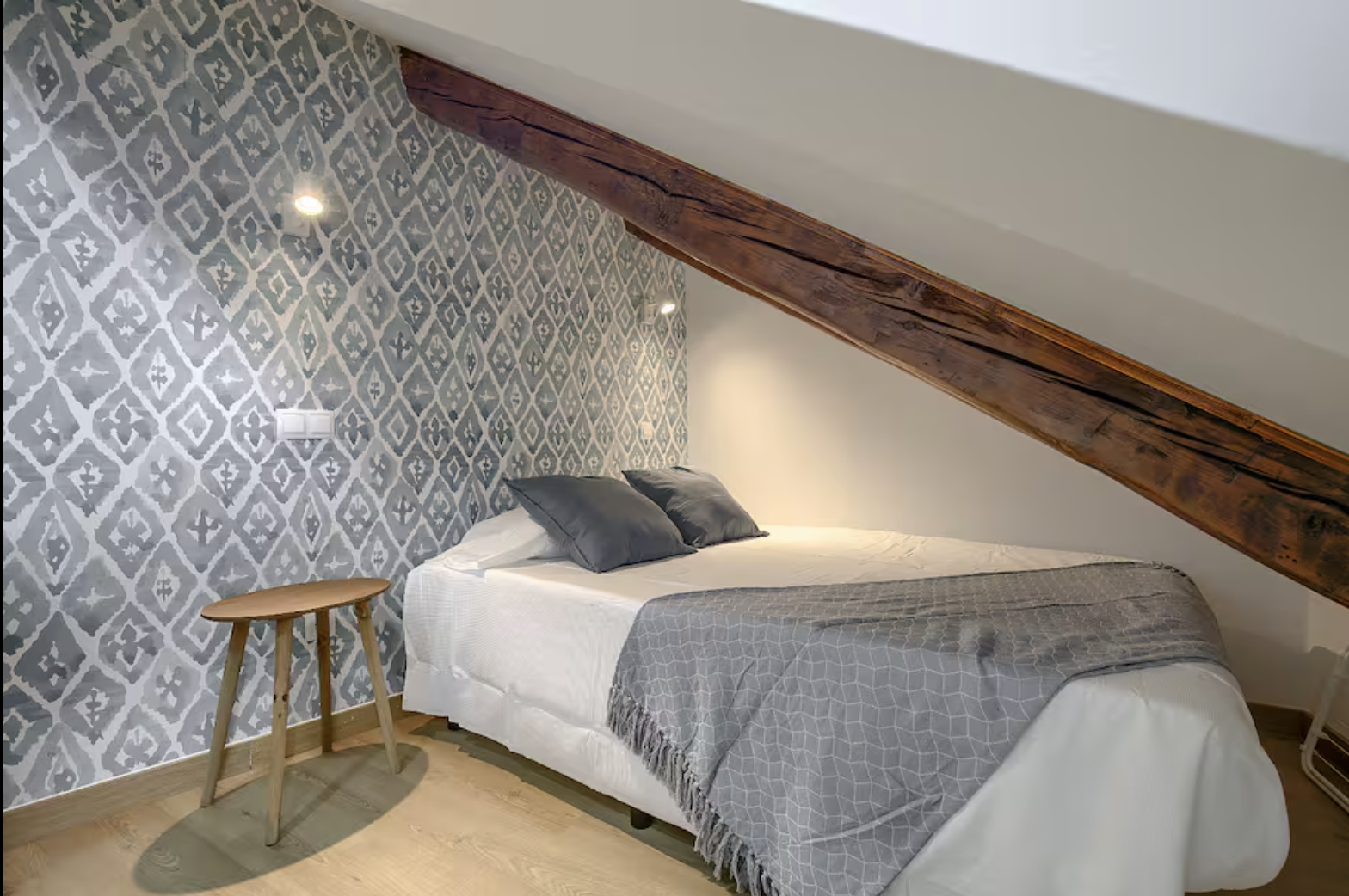
Vacation Rental, Las Letras, Madrid, Spain
This is also where perspectives can diverge. Short-term rentals have contributed to housing pressures in some destinations, an issue shaped less by individual travelers and hosts and more by local regulations and broader housing policy. The desire for homeowners to earn income from their property is not inherently problematic, but the scale and management of short-term rentals matter. It can be difficult to tell whether a listing represents a single, locally run home or part of a larger operation that has changed the character of a neighborhood. That said, vacation rentals offer space, independence, and a strong review system that makes quality easier to assess. They tend to shine for shorter stays and travelers who value routine and privacy, as long as listings are chosen thoughtfully and with attention to location, host transparency, and reviews.
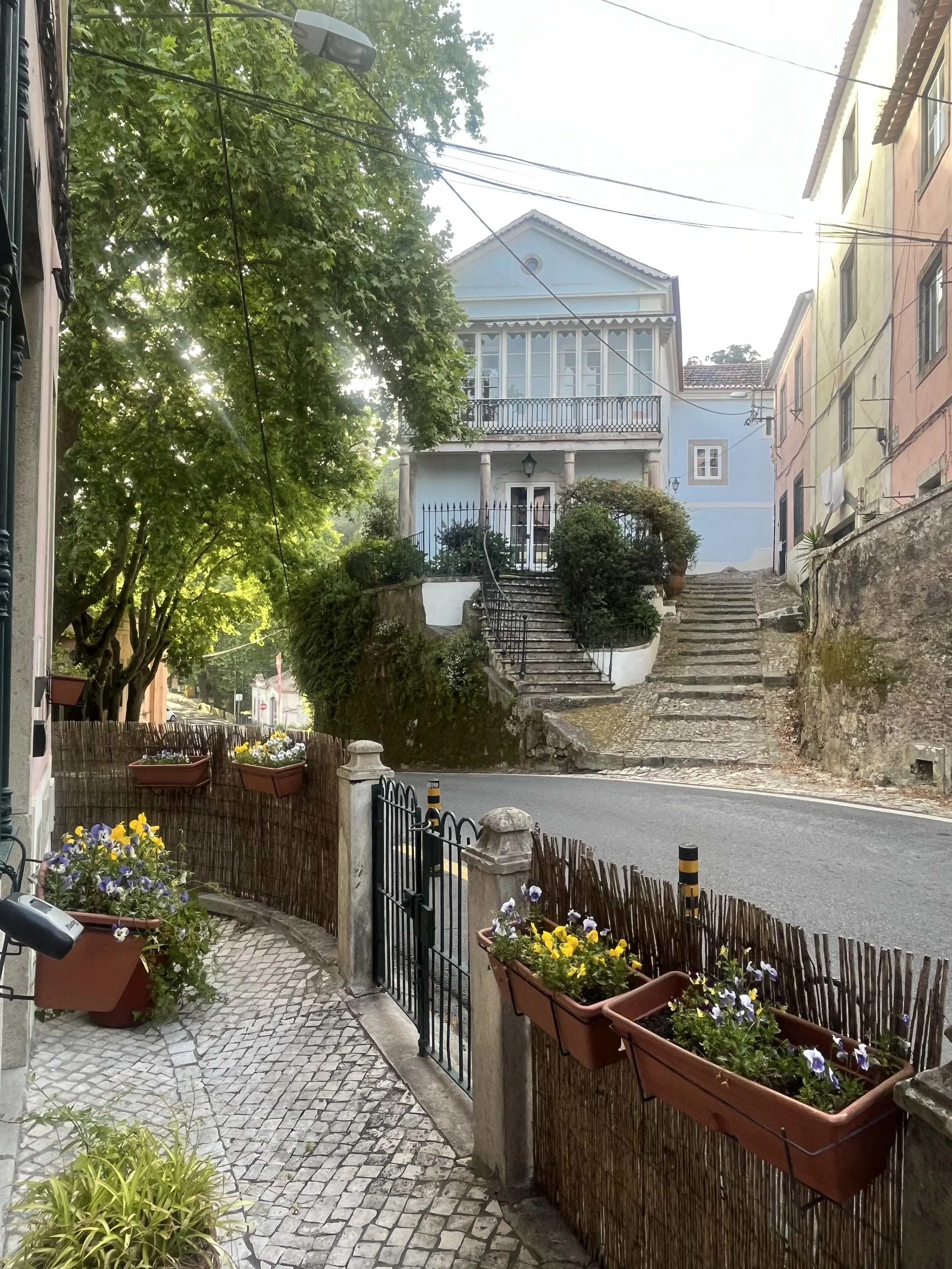
View from Vacation Rental, Sintra, Portugal
Independently Run Guesthouses

Villa Marquez, Vila Real de Santo Antonio, Algarve, Portugal
Independently run guesthouses and small, family-owned hotels often offer a blend of comfort, character, and local connection that larger properties cannot replicate. What they offer is a personal, human-scale experience, often with hosts who know the area well and genuinely care about the place they run. They tend to shine for travelers who enjoy staying in local neighborhoods, value cultural connection, and appreciate thoughtful hospitality over amenities. These properties are often centrally located and provide strong value for the experience they deliver. Where they can fall short is in consistency and availability, as experiences can vary widely and popular guesthouses often need to be booked well in advance. Finding them can take a bit more effort, but for travelers who value place, community, and a quieter sense of belonging, independently run guesthouses are often the most memorable stays of all.
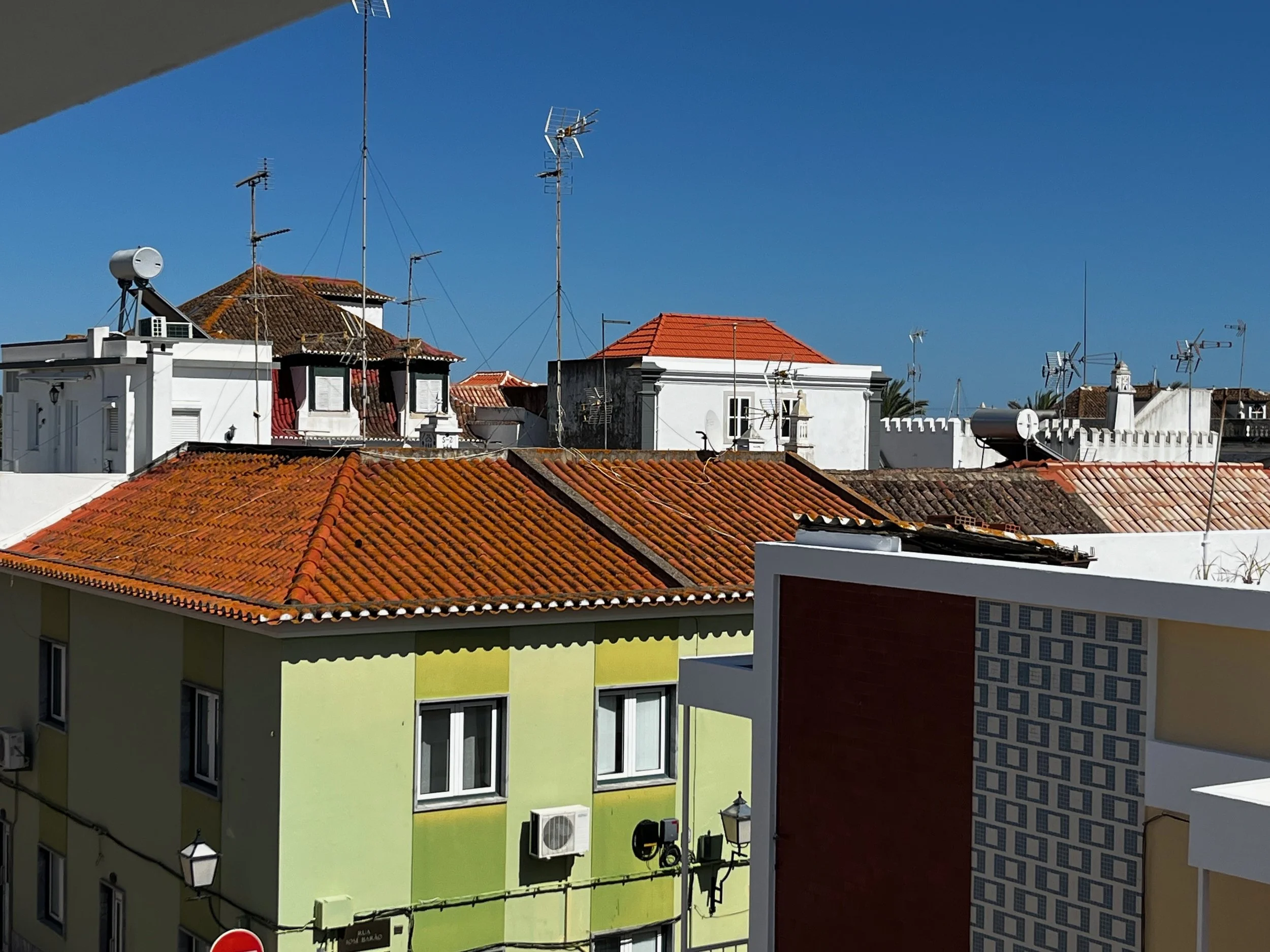
View from Guest Room, VIlla Marquez, Vila Real de Santo Antonio, Algarve, Portugal
Resorts
Ahhh, resorts. They are ideal for travelers seeking luxury, convenience, and an all-in-one experience. Resorts tend to shine for people who prefer fewer decisions and less planning, and they can function as a destination in their own right in a way that other lodging types cannot. Crisp cotton sheets, concierge service, pools, on-site restaurants, and easy access to amenities all support a more effortless stay. Where resorts can fall short is in personalization and connection to local life. They are often more expensive, frequently include additional fees that are not always clear at booking, and tend to offer a more contained experience that makes spontaneous exploration less central. Travelers can certainly venture out on their own, but resorts lend themselves more naturally to staying in. Before booking, it is important to understand cancellation policies and any added surcharges. When chosen intentionally, resorts can be a wonderful way to experience comfort and ease, especially for trips focused on rest and recovery.
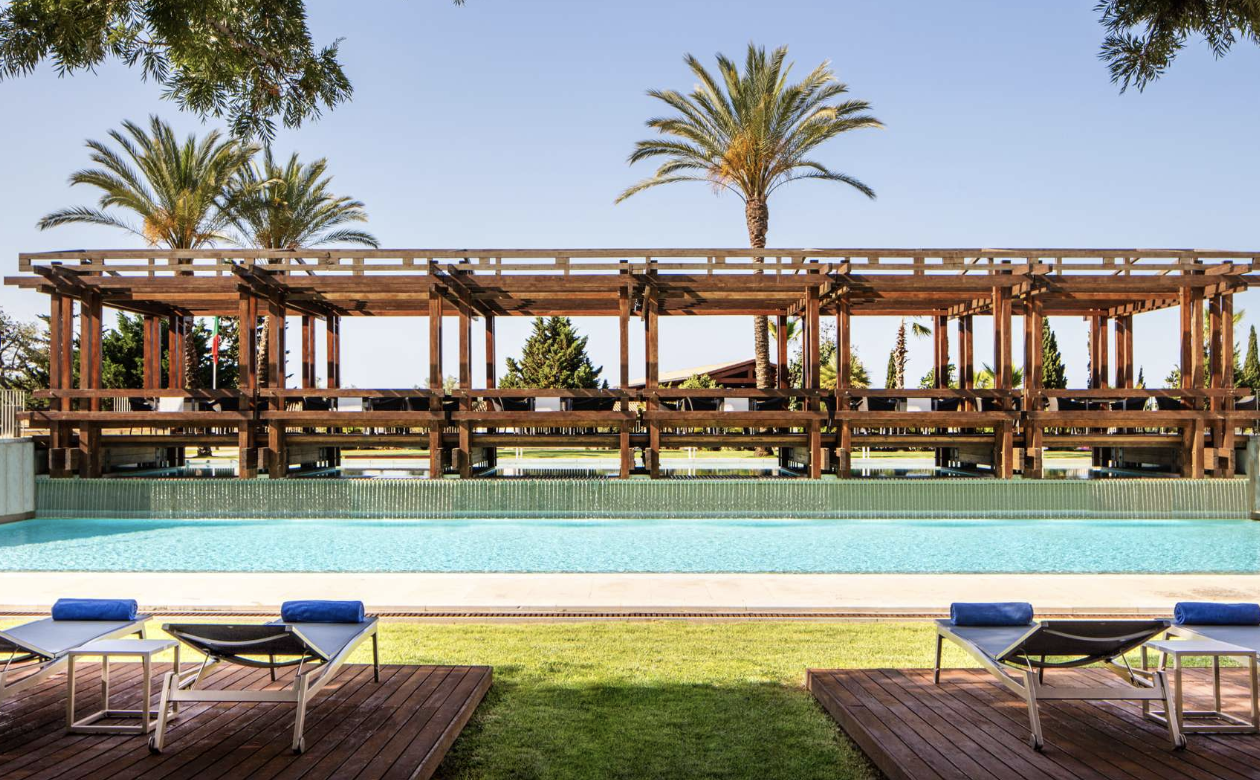
Victoria Golf Resort & Spa Managed by Accor, Vilamoura, Algarve, Portugal
Campervans
Are you craving the ultimate freedom? Does it sound appealing to roll up to a beach, pull out the awning, kick off your shoes, and enjoy a glass of wine? It truly is fun and offers an incredible sense of freedom, but it also works best when paired with a plan. Certain areas do not allow what is known as wild camping, while others are far more lenient. Scotland is the most permissive country for wild camping, as are Norway, Sweden, and Finland, but if you are traveling through the Iberian Peninsula, France, or Italy, it is important to map your route and overnight stops carefully. There are excellent apps that help travelers find legal places to stay, including driveways, camper stops, and small facilities that offer restrooms, showers, cooking areas, and even swimming pools, often for far less than the cost of a hostel. While some travelers practice stealth camping, being aware of local norms and regulations helps avoid an unexpected knock on the door in the middle of the night. That said, traveling this way can be extraordinary and offers access to parts of a country you might never otherwise see. Choose your vehicle carefully, know how to handle basics like a flat tire, and remember that larger vehicles can be challenging on narrow, cobblestone streets common in older towns.
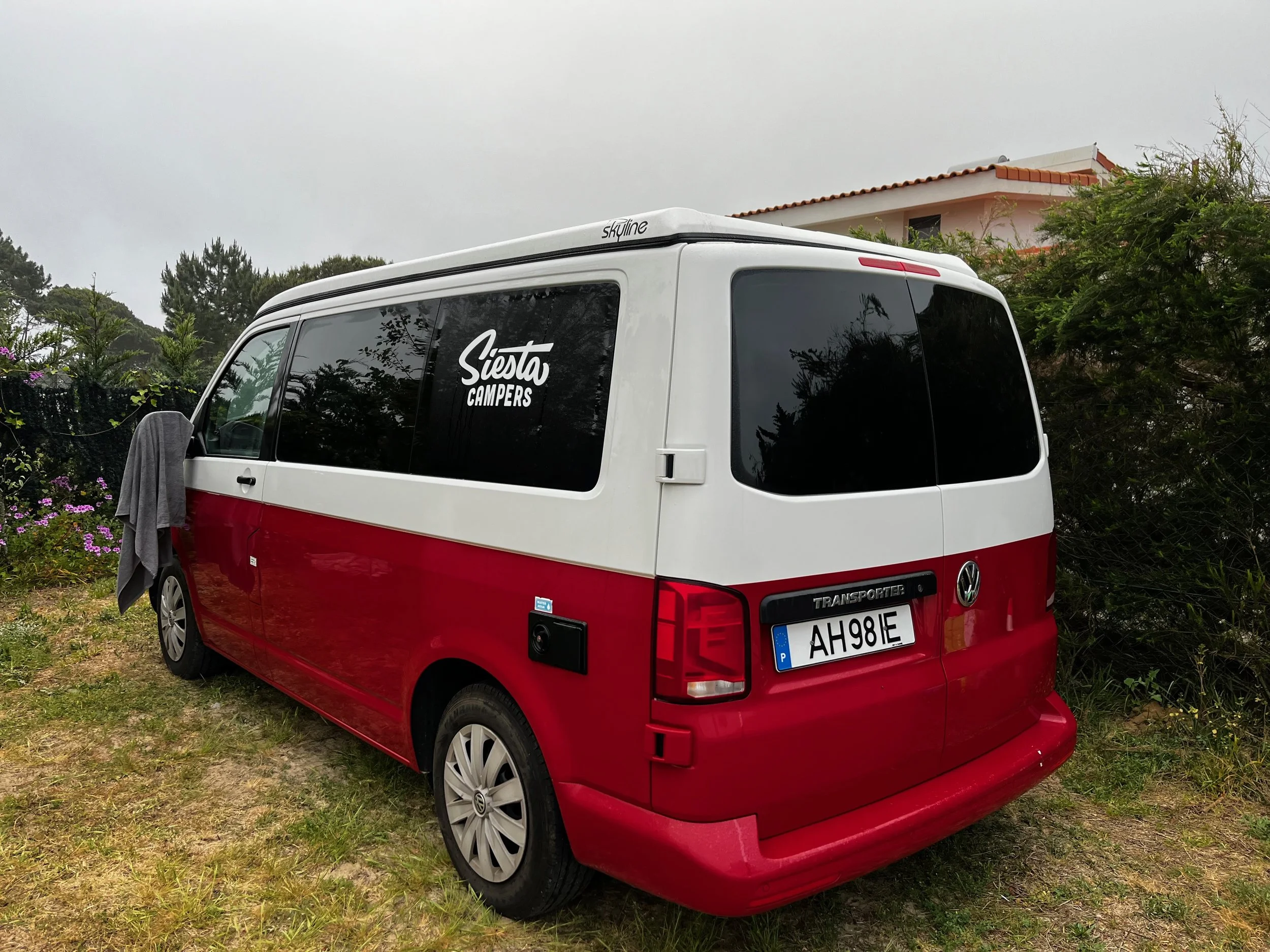
Siesta Campervans, Lisbon, Portugal
Which One Is for You?
One of the most satisfying ways to travel is often through a mix of lodging styles. You might spend part of a trip in a campervan, enjoy a night or two of luxury at a well-located hotel, and finish in a lively neighborhood near the airport for an easy departure. Ultimately, the decision comes down to vibe, feel, and overall fit. Once you have a sense of the two or three types of lodging that align with how you want to travel, you can begin researching specific accommodations and costs. Even if you find a good rate through a major online travel agency, it is worth remembering that these platforms sometimes oversell rooms, which can make changes difficult or, in rare cases, leave travelers without a reservation. When possible, calling a hotel or resort directly to ask about matching a rate and to understand their overbooking policies can offer added peace of mind. Other forms of lodging may require more research, but spending time understanding what each option truly offers opens the door to memorable stays, including the occasional quirky, small hotel in a great neighborhood. Once you know which types of lodging suit your trip, you are ready to move into the booking process, which we will explore in Part Two of this series.
