
How to Plan a Trip When You Don’t Know Where to Start
Feeling overwhelmed planning a trip? Learn how to begin with clarity, ease, and joy, starting with the feeling you want and building step by step.
To be an effective planner, you need to give yourself time to connect with what’s important to you. Before you dive into the logistics, you have to let what you love rise to the surface. This not only grounds your choices, it also sets you up to enjoy the entire planning stage. Think of it this way: when you go on a trip, it’s never just the trip. It’s everything from the first spark of an idea to the moment you return home. And if you rush through all of it, without savoring the steps along the way, the trip will be over before you even realize you’ve begun. Have you ever been driving somewhere with so much on your mind that suddenly you arrive and can’t remember how you got there? That’s a sign you weren’t present in the journey. This time, let’s plan a trip you will fully enjoy from start to finish, and even beyond.
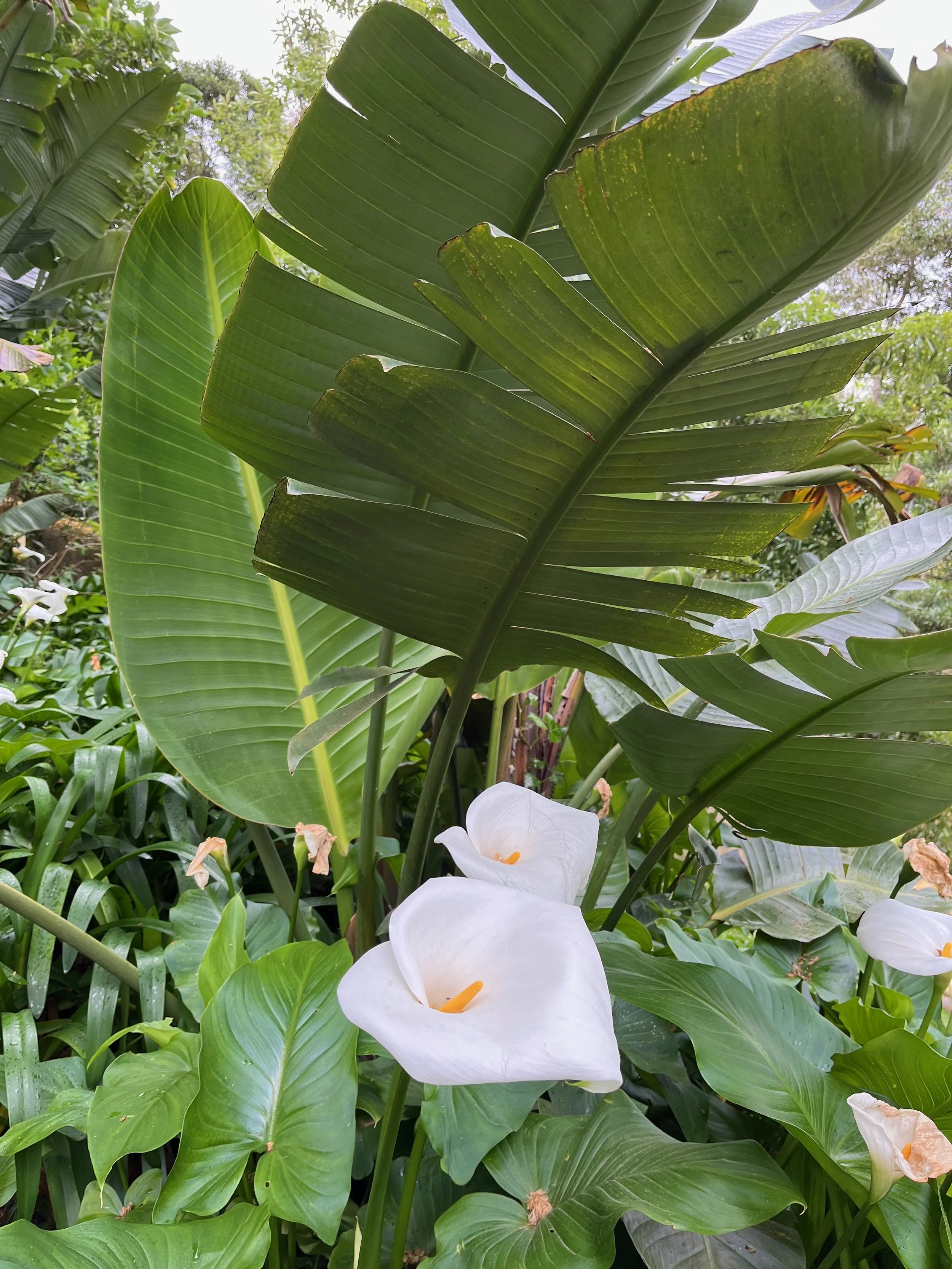
Parque de Merendas das Pedras Irmas, Sintra, Portugal
Start with a Feeling: Whenever you start thinking about how you’re going to accomplish a really big goal, if you’re anything like me, you get stuck almost immediately. This happens for three universal reasons: overthinking from the fear of making the “wrong” decision, trying to control too much too soon, and not having clarity about what you actually want. The only way out of this trap is to stop the monkey mind before it derails your trip, before you’ve even looked up a single flight. A wonderful practice is coming back to the present moment and reconnecting with your emotions. When you imagine yourself on that trip, how does it make you feel? Not the logistics or stressful parts, but the sitting-in-a-Paris-café-drinking-espresso-in-the-afternoon part. And yes, dreaming about a future moment is still dreaming about the future, but the emotion is happening right now. Let yourself feel it. Really savor it. THIS is the best place to begin any trip.
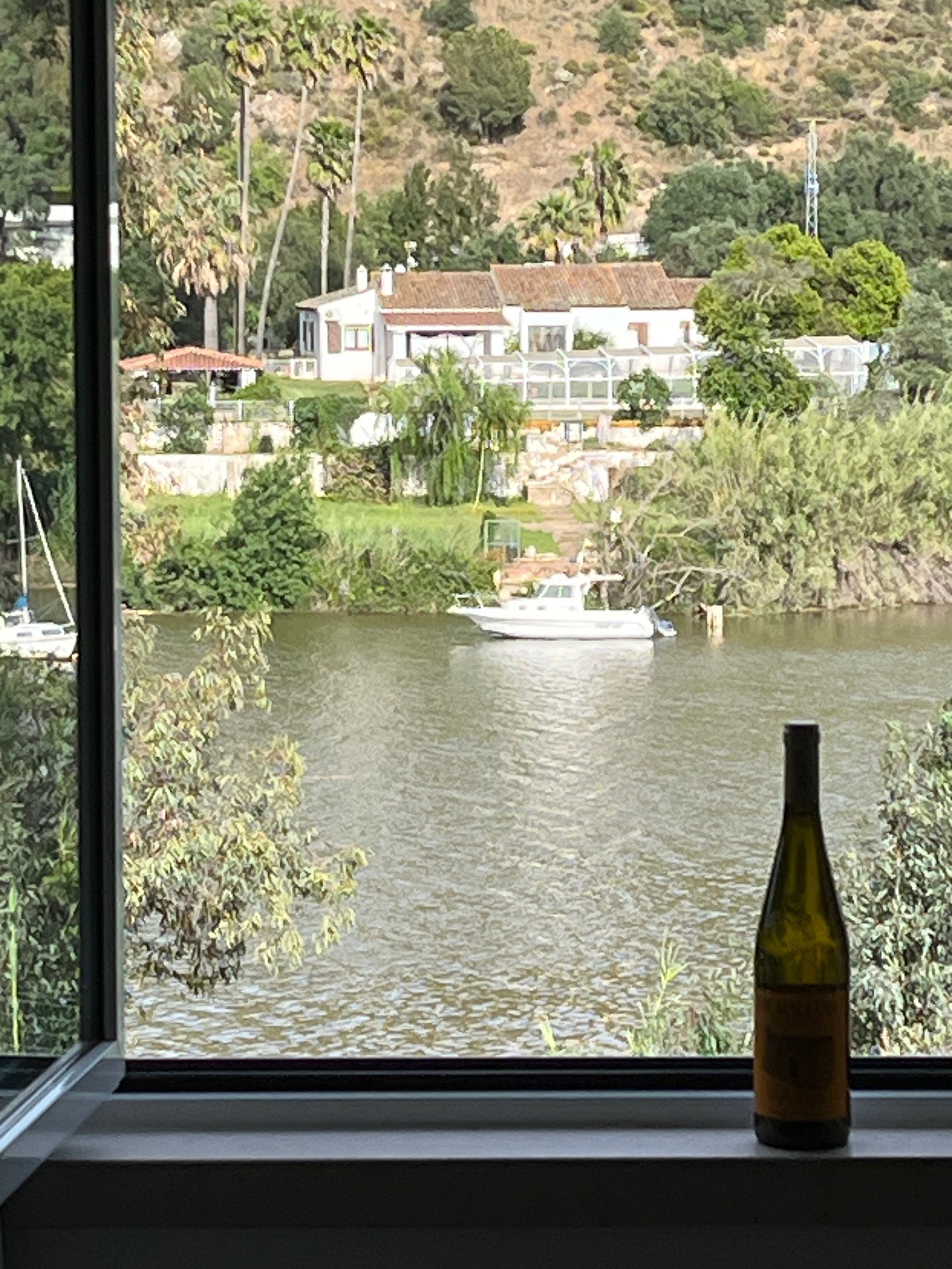
Alcoutim, Algarve, Portugal
Name that emotion: So what is that emotion? How does that image of yourself sitting outside in a cafe, in Paris, make you feel, even if you haven’t been there? Name it. Name the emotion. For me it is a deep feeling of contentment tinged with excitement, so almost two emotions rolled together. That sense of wonder, and adventure give me such a feeling of joy and exhilaration. Maybe that feeling IS exhilaration. But that sense that “I did it!” coupled with what it feels like to actually be there makes me feel just so alive! That is where you stay and allow yourself to really feel that. This is so valuable because it is your compass, your guide from starting right now, before you’ve even begun planning what you can do next. Start the planning with this practice of presence and savoring, and you won’t go wrong.
Begin with Three Possible Destinations: What is next? Living in that in-between for a little while gives you the space to discover what you actually want. I had that general idea of Paris. Who wouldn’t want to go to Paris? But what do you want? Maybe it’s the Iberian Peninsula, maybe it’s northern Europe, maybe it’s France or Italy. I suggest starting with a general area first. For me, I have been focused on the Iberian Peninsula. I love really getting to know a place rather than skipping around and fast-tracking through numerous countries. But fast-tracking is wonderful for some people. Identify which works best for you. For the purpose of this “How-To,” let’s stick with one location for your 10–14 day trip. Start with three regions you are interested in. No judgment, just curiosity. Then choose one city within each of those regions. This keeps you in the brainstorming phase, open and spacious, while gently bringing your dream into focus. This is where planning actually begins, not with decisions, but with possibilities.
Next, Look at Google Flights’ Month View: Life is about experiences, not stuff. That’s a personal philosophy I’ve really come to embrace. I want to spend my money on travel, visiting dear friends and family, and having unique and meaningful experiences. And this brings me to the topic of budget. Yes, thinking about what you are going to spend is finally creeping into the conversation. The very next thing I do is figure out which month of the year I could go, and then I think about when Europe is at its best. For me, the shoulder season is incredible—not just for the weather, but for the prices on lodging, airfare, food, and transportation. So identify a month, and then start looking at the Google Flights calendar view. Look for patterns: the little dips and shifts, the midweek drops, the random price changes, and the quiet openings that only appear when you can see the whole month at once. Why look at a whole month at once? Because month-view gives you power: it shows you that you don’t need perfect dates, just the right window, and that window often saves you hundreds of dollars. Now you can actually see the trip beginning to take shape. This step sparks curiosity and joy, leading you naturally into what comes next.
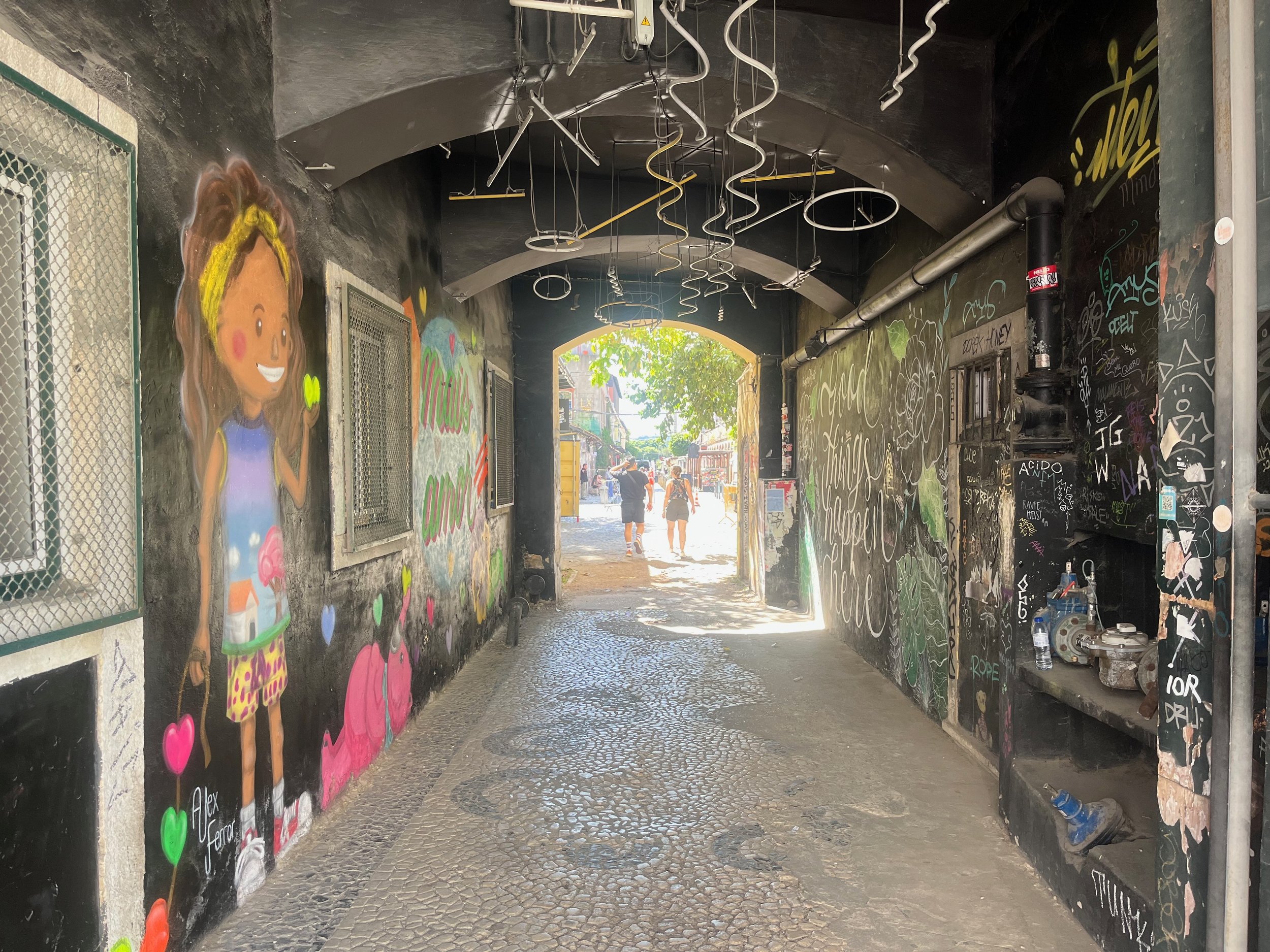
Alcántara, Lisboa, Portugal
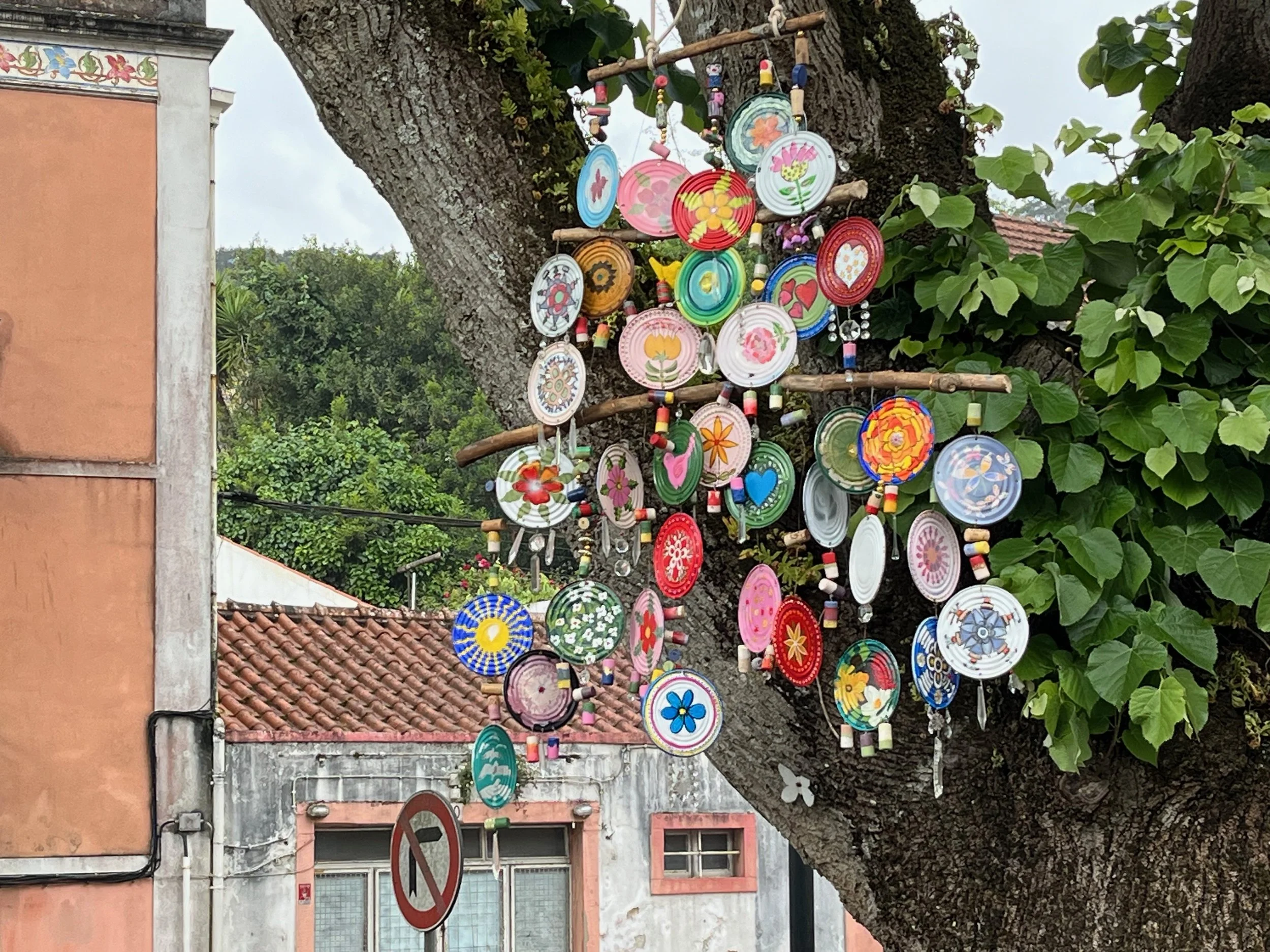
São Pedro de Sintra
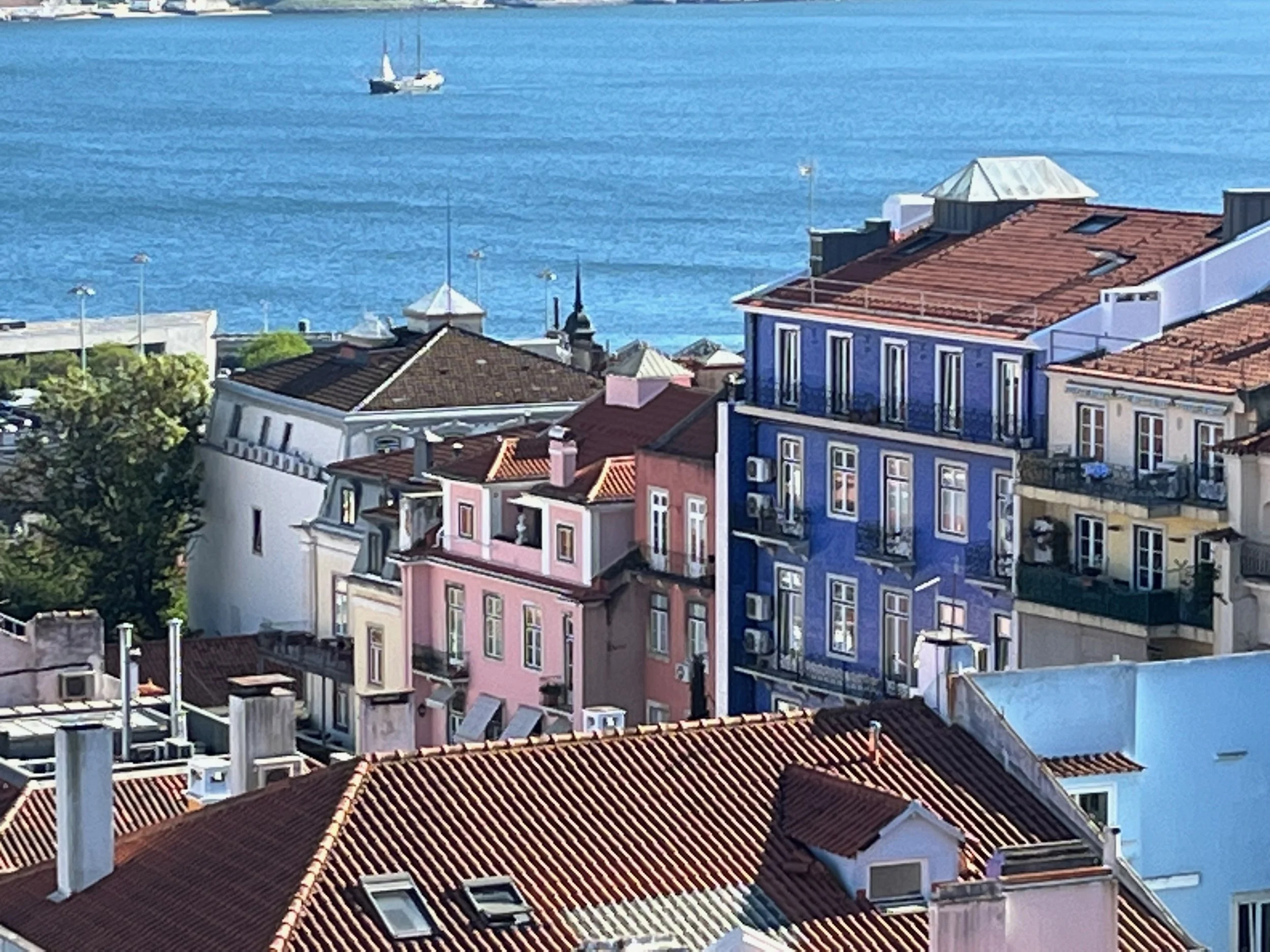
Misericórdia, Lisboa
Keep Different Options for Airports and Days of the Week in Mind: Once you start to see the price patterns, this is where a little flexibility can make a big difference. Try shifting your dates by just one or two days and notice what happens. Sometimes leaving on a Tuesday instead of a Saturday can drop the fare dramatically. The same is true for airports. If you have more than one option within a reasonable distance, check them all. The point isn’t to make the planning more complicated; it’s to open yourself to possibilities you might have overlooked. Flexibility almost always equals savings, and it gives you a sense of freedom in the planning process. Instead of feeling boxed in by rigid dates and single-airport thinking, you begin to see that you have choices, and those choices are often the very thing that makes a trip doable.
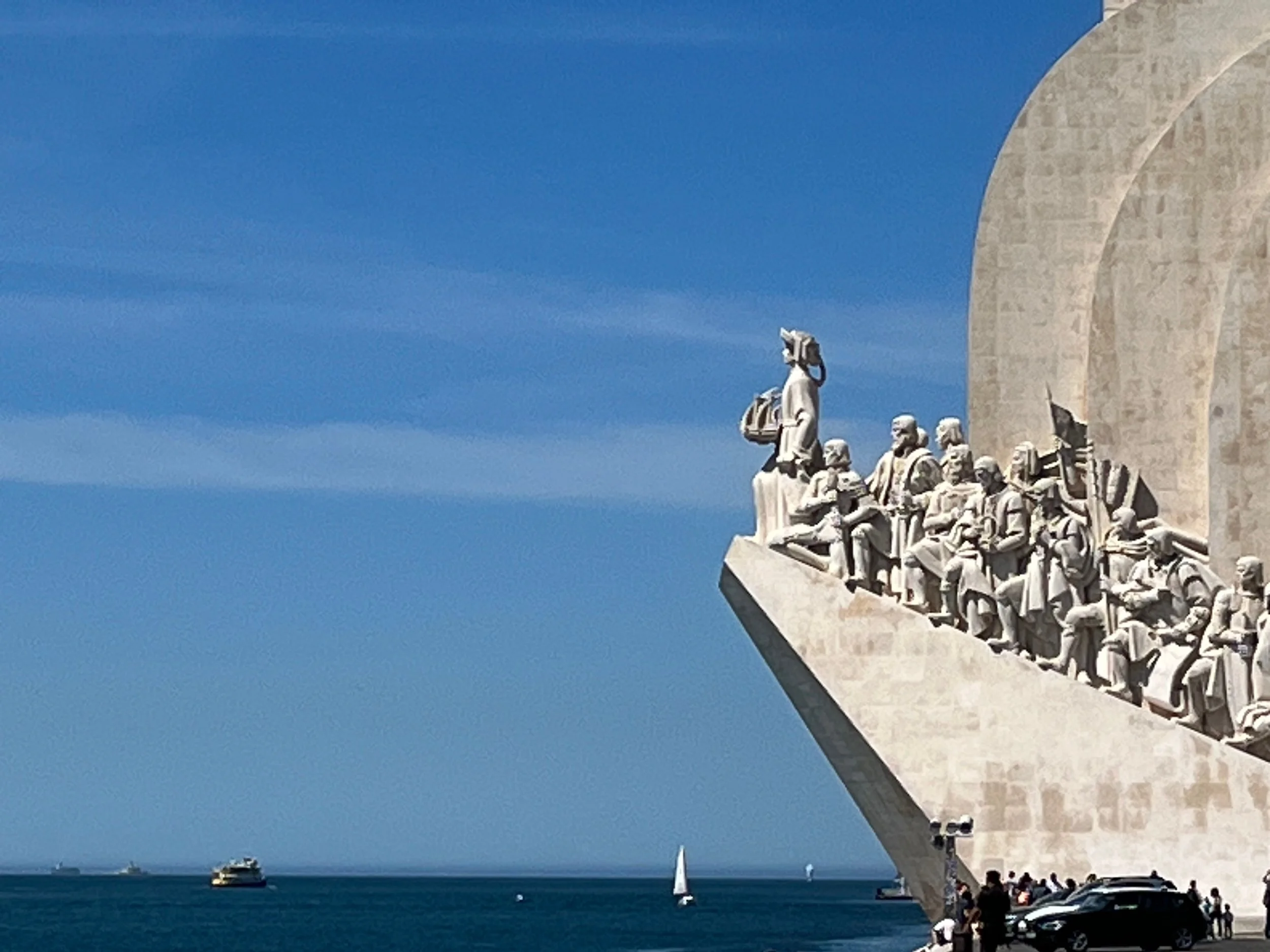
Belém, Lisboa
You don’t have to know everything to begin. Planning a trip works the same way every meaningful experience does, just one small, intentional step at a time. When you stay connected to how you want the journey to feel, whether it’s that quiet sense of contentment or the exhilaration of imagining yourself in a Paris café, you give yourself a starting point that isn’t stressful or overwhelming. From there, everything becomes easier. You begin to see possibilities instead of obstacles, options instead of dead ends. The entire process shifts. Planning becomes something to savor, not rush through or try to “perfect.” And the truth is, you don’t need the whole path laid out in front of you. Start with the spark, take the next step, and let the journey meet you along the way. Each moment you stay connected to that feeling of being fully alive brings your trip closer, long before you ever step onto the plane.
