
The Chateau Fights Back
When Travel Unravels
This article is different. When travel plans begin to unravel after everything is already in place, the experience is often emotional before it is logistical. It is also far more common than we tend to acknowledge.
The essay below looks at what happens when commitment meets uncertainty, how fear can disguise itself as responsibility, and how to slow down long enough to make a decision you can live with. It also touches on practical considerations that are easy to overlook in moments like these, including when travel insurance matters and why postponement alone can't solve some disruptions.
This post contains affiliate links. If you use one to book or buy something, I may earn a commission at no extra cost to you. It’s a simple way to support my work.
First Quarter 2026 Muse is a great way to get a different perspective and reorient yourself when things go a little sideways.
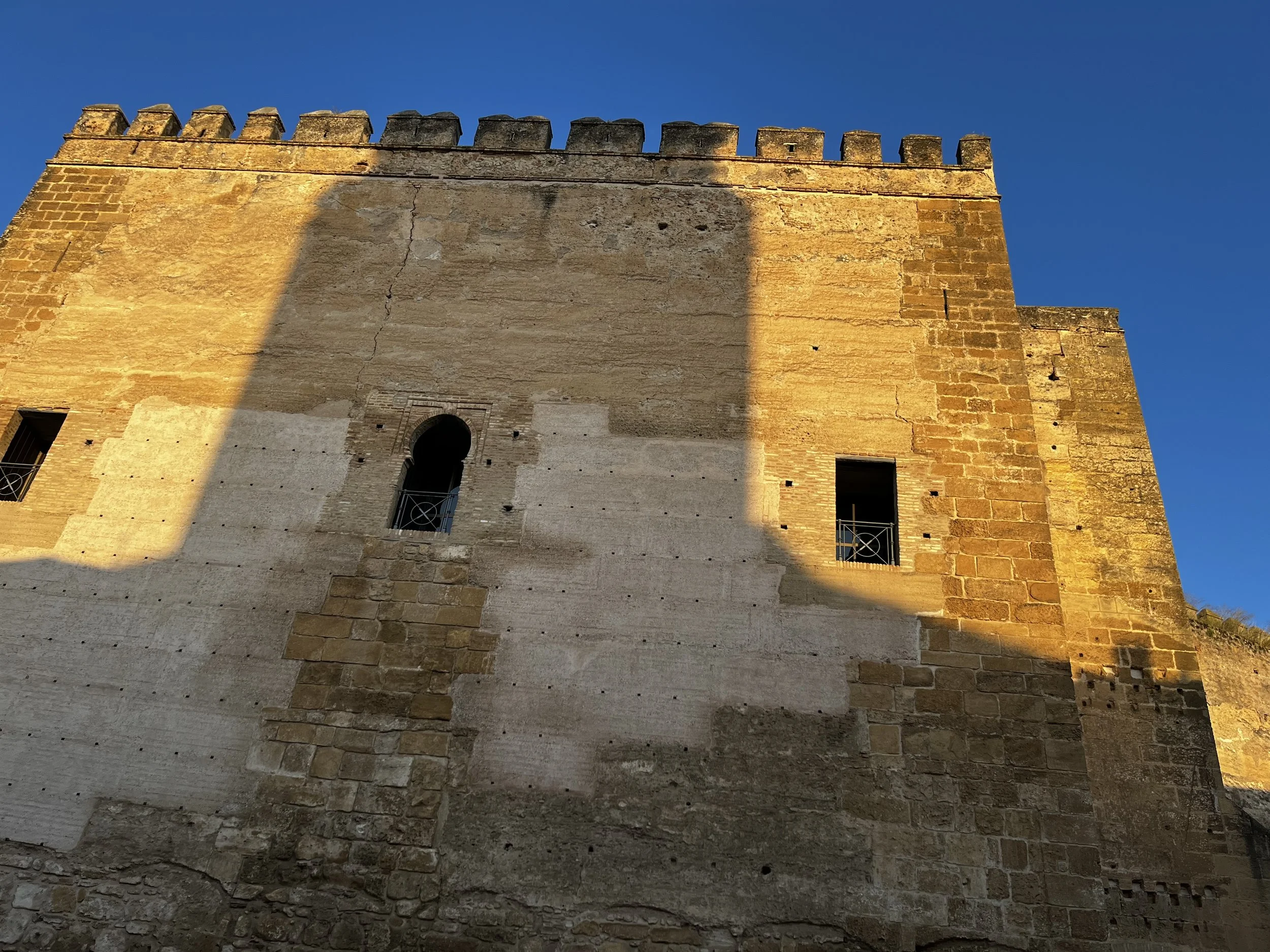
Spanish Castle, Andalusia, Spain. Photo by Wendy Stieg
One of my guilty pleasures is a little TV show called Escape to the Chateau. It is the story of a seemingly unlikely couple who buy a French chateau, fix it up, and create a thriving wedding business. The couple themselves definitely have the skillset, but unlikely means they are pretty unconventional in some ways, and very conventional in others. It is about Dick and Angel Strawbridge; he is from Northern Ireland, and she is from London. I believe they bought the chateau in 2015, with an infant and a toddler in tow. Angel’s parents also came along for the ride. I love this show because it is about grit, determination, all-out tenacity, and best of all, it is grounded.
Ultimately, they succeed, but not without a lot of hard work and persistence. I think my favorite line of the entire show is when Dick runs into a seemingly impossible problem, and he grumbles, “And the chateau fights back!” I know how he feels. I have had situations where my grand plans just won’t work. I feel so frustrated, and KNOW that there has to be a way. I have to remind myself that people don’t fail, plans fail. When plans for a trip seem to unravel, what do you do?
Yes, of course, contact the airlines, the accommodations, the transportation, and any other reservations you have made and paid for; that part is easy. You find out what you have to do, and you do it. Sometimes that even means you could lose money. But what do you do about the emotional investment? How do you navigate the struggle and the frustration?
Travel insurance is one more thing to consider when planning a trip. You can explore options through EKTA and choose the coverage that works for you.
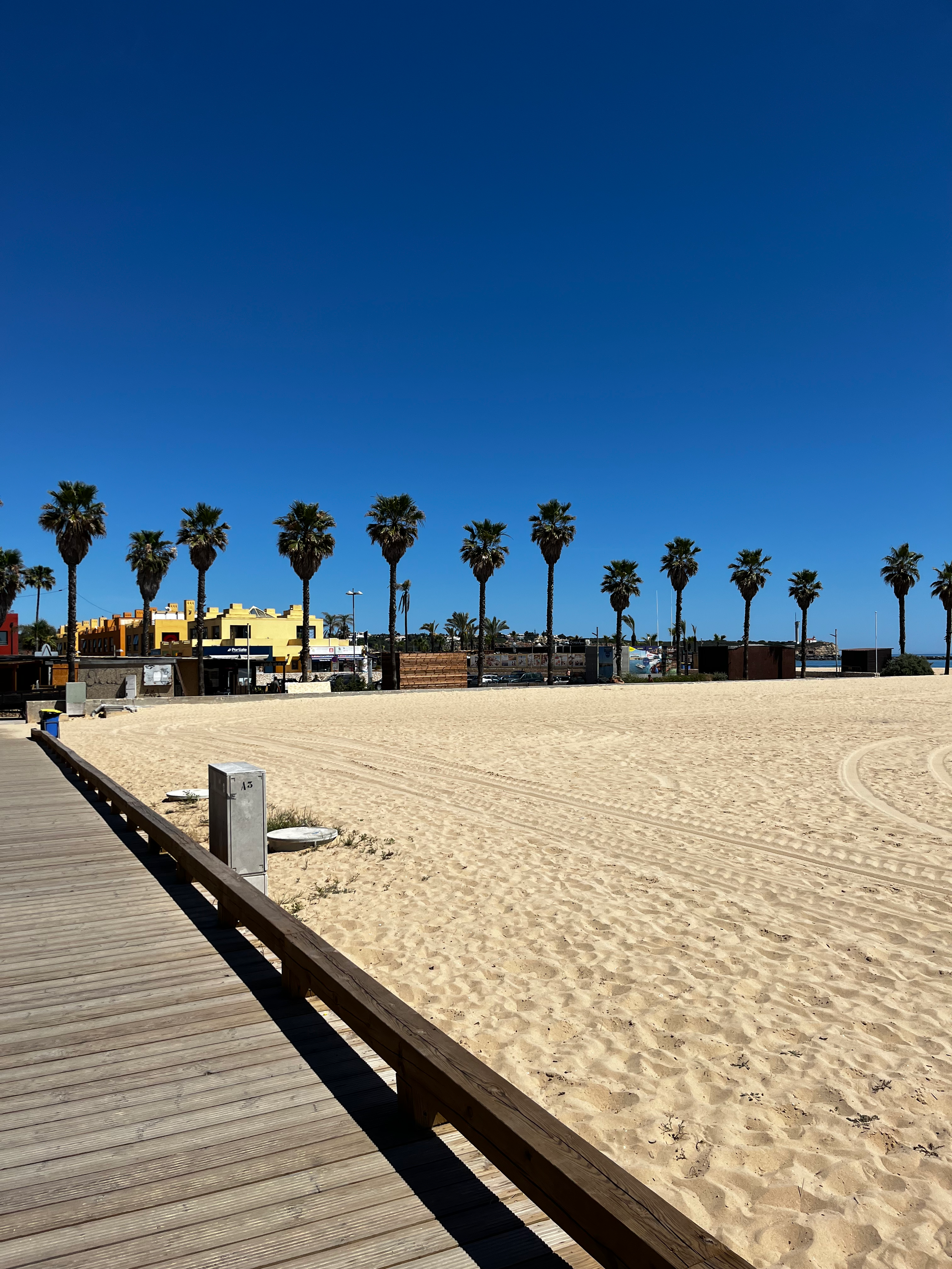
Praia da Rocha, Algarve, Portugal. Photo by Wendy Stieg
Just After You Commit to the Trip…
You have booked your trip to France, mostly in Paris and Bordeaux. This is something you have wanted to do your entire life. You took French in college, and have long been a quiet Francophile. And now the trip is booked. You have paid for the airfare, the hotels and hostels are reserved, you know how much you are planning to spend daily on meals, and you have even brushed up on your French. You are ready. And then your father becomes gravely ill. For a little while, you forget about the trip. When it becomes clear that your father is not coming out of the hospital anytime soon, you start to realize you are going to have to make a decision. Herein lies the new challenge you didn’t see coming. You are torn; you have no idea what is going to happen with your father, and yet you have been yearning for this trip your entire life.
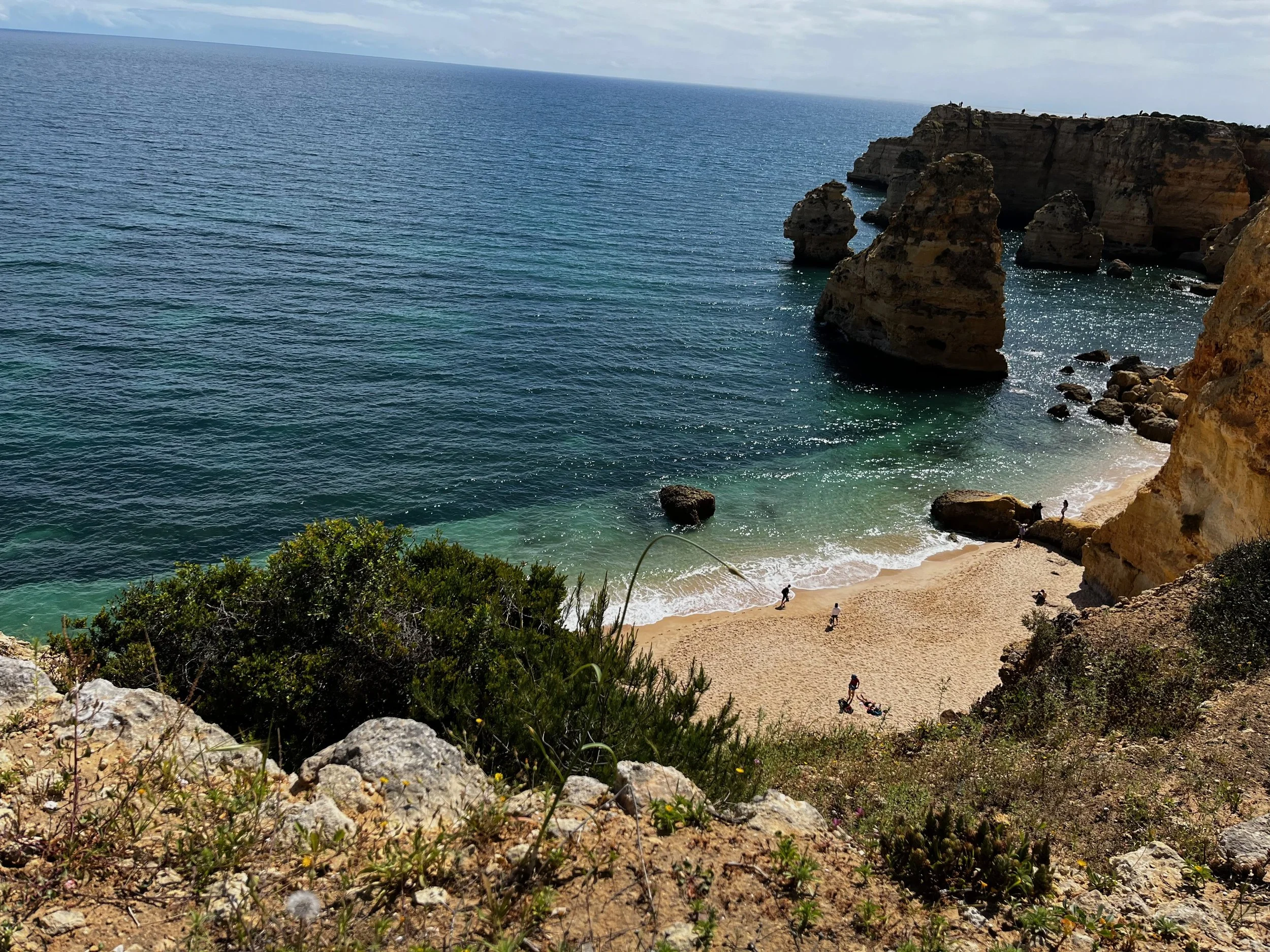
Beach near Portimão, Portugal Photo by Wendy Stieg
When Fear is Masquerading as Responsibility
Little things start to bother you, you get angry at things you are normally patient with, and you can’t put your finger on exactly where your emotional state is. You know that you are worried beyond measure about your father, but you have a very strong pull to take the trip anyway. You feel an internal struggle, but you can’t even name it. You worked really hard, saved the money, and finally got the trip set up, the time off work, and most of it paid for. But you don’t feel excited, you feel angry. You feel like a terrible person for even thinking about going. You even snap at your dad while visiting him, and now you feel worse. What is going on? This is fear masquerading as responsibility, but you can’t even name it. What in the world should you do? There is one decision to make here: Stay? Or go?
The Chateau Fights Back
If you travel regularly, you will experience something like this. Your chateau will fight back. When it does, the single most important thing to do is slow down. We tend to rush this moment because it is deeply uncomfortable, frightening, and frustrating. How can you feel both intense worry for your father and a powerful desire to do the thing you have wanted to do your whole life? Shouldn’t you simply let the trip go and stay?
Slowing down creates space to sort what you are actually feeling and to name what is happening beneath the surface. Only then can you begin to make a decision you can live with. When the order is reversed, when you decide first and feel later, regret often follows. Not everything is solvable, and not every situation can be controlled. What you can control is how you respond. When you recognize this, it becomes clear that much of what you are dealing with is fear. Fear narrows perspective and demands immediate action, even when clarity has not yet arrived. Given time, the chateau fighting back reveals itself for what it is, not the end of the journey, but resistance along the way.
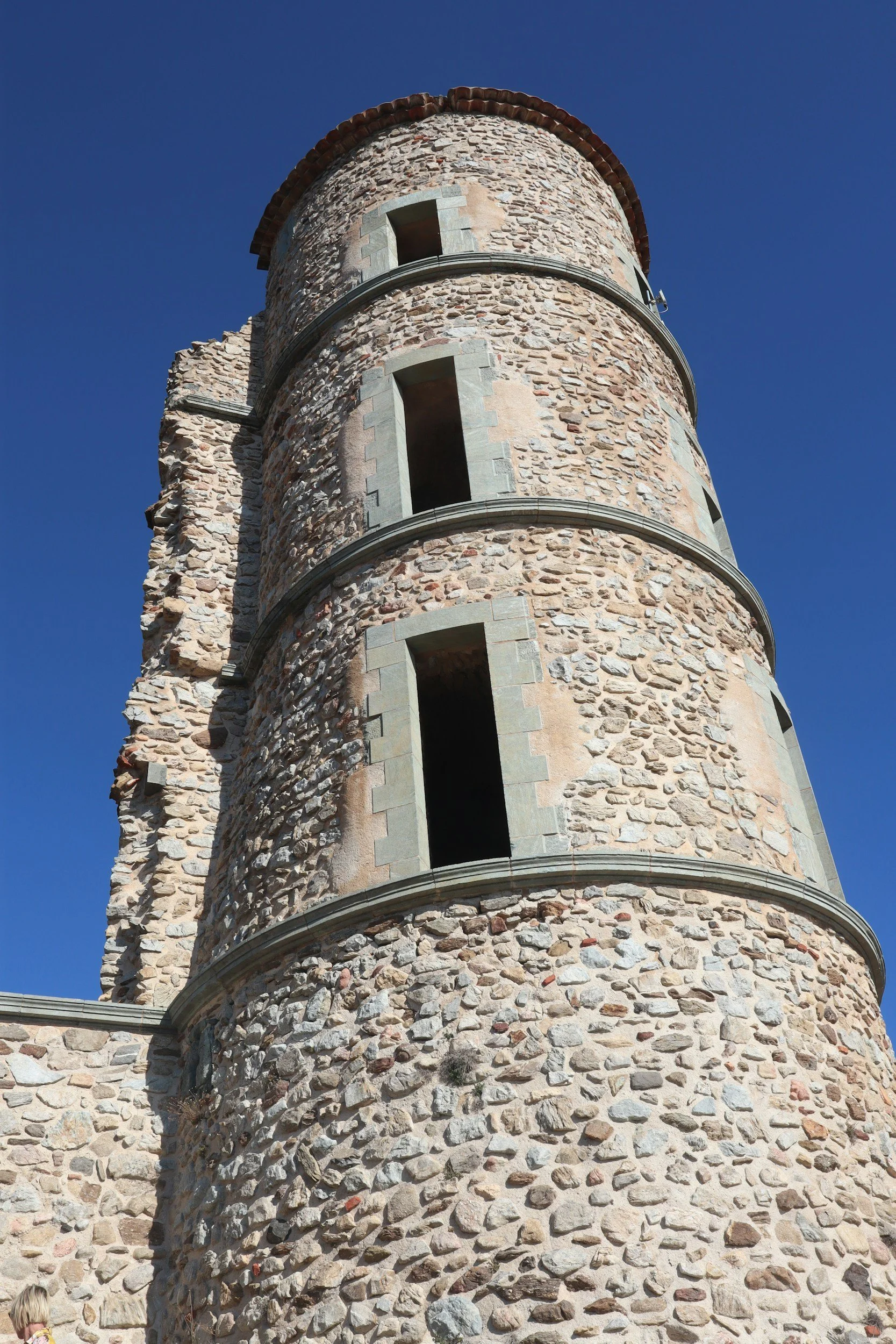
French Chateau. Photo by Call Me Fred
Knowing Your Pattern Under Pressure
The single most important thing you have done to this point, by slowing down and allowing whatever needs to come forward to emerge, is to recognize your own patterns. Most of us have them. Under pressure, some people default to self-sacrifice, convinced that putting their own life on hold is the responsible choice. Others do the opposite, pushing forward without fully acknowledging what is happening around them. Neither response is right or wrong on its own. But when you recognize which one you tend toward, the situation becomes clearer. What often feels like an impossible decision is, in reality, a familiar pattern playing out under new circumstances.
This is the point where you can begin to determine what is actually best for you. Not because the situation has been resolved, but because you have created enough space to think clearly. Slowing down allows the emotional noise to settle just enough for reason and logic to re-enter the picture. And it is from that place, not urgency, guilt, or fear, that the most grounded decisions are made. You may still feel conflicted, but you are no longer reacting. You are choosing.
When it is OK to Go Anyway
The next stage of this process, in wading through the indecision, uncertainty, and struggle to figure out the solution, will not tell you what to do. Instead, this is a helpful way to think through your dilemma and arrive at your own best choice. When would it be the right time to decide to go through with your trip? By looking at your own lived experiences and recognizing that some disruptions are ongoing, unresolved, and not fixed by postponement. You may never find the certainty you are seeking, and probably not within your timeline for making the decision. Waiting through uncertainty until you find certainty has a way of quietly erasing your life, and has to be taken into the equation. Remember that choosing to go does not mean abandoning care, love, or responsibility. These notions uncover the core truth that sometimes you go not because everything is resolved, but because life cannot be indefinitely postponed.
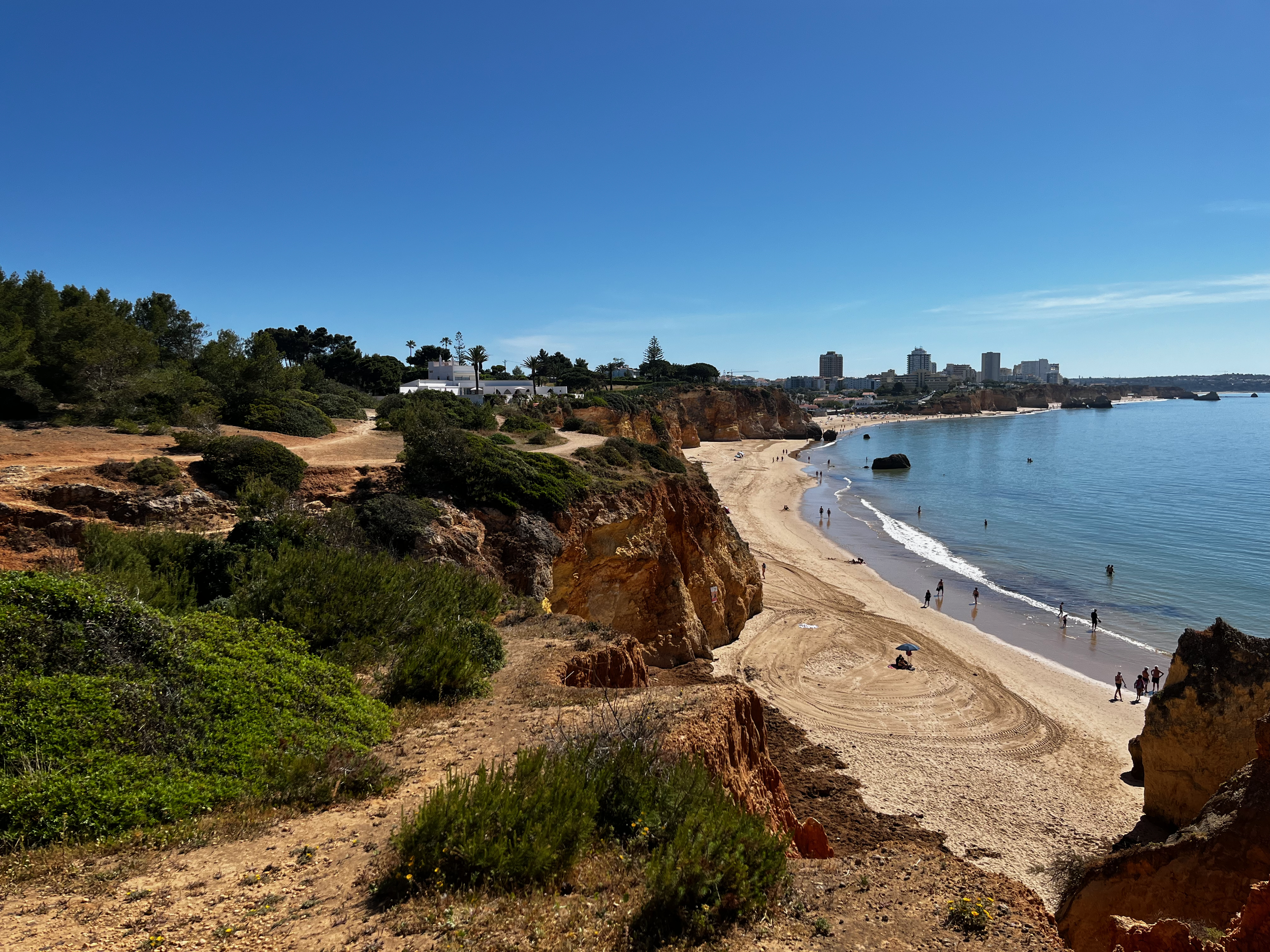
Praia da Rocha, Portimão, Algarve. Photo by Wendy Stieg
Deciding Not to Go, and Why That is Not Failure
Why might you decide not to go? Because you have taken the time to address balance and integrity, and you recognize that sometimes staying is the most grounded choice. Sometimes, canceling is necessary. Canceling the journey does not mean the desire to go was wrong or any less valid. More often, it means you have recognized the delicate balance between responsibility to yourself and responsibility to the situation involved in the dilemma.
It may also be the moment you realize you should have purchased travel insurance that includes “cancel for any reason.” Many travelers dismiss this as unnecessary, but when you begin to see travel as an investment, the equation changes. Travel insurance is one way to manage uncertainty, though it can never fully protect everything a trip represents. Travel is always both a choice and a risk. When you have approached the decision with care and clarity, staying can feel like the easier choice. And there are still times when canceling is the right one, even without protection in place.
When You Fight Back Without Giving Up the Journey
This is also the moment to remember that fighting back does not always mean pushing harder. Sometimes resistance asks for a different kind of response. It may mean switching gears, adjusting the form, or changing the route while holding the same direction. The journey itself does not have to be abandoned simply because the path has shifted. When the chateau fights back, it is not a signal to give up. It is an invitation to stay committed without insisting that things unfold exactly as planned.
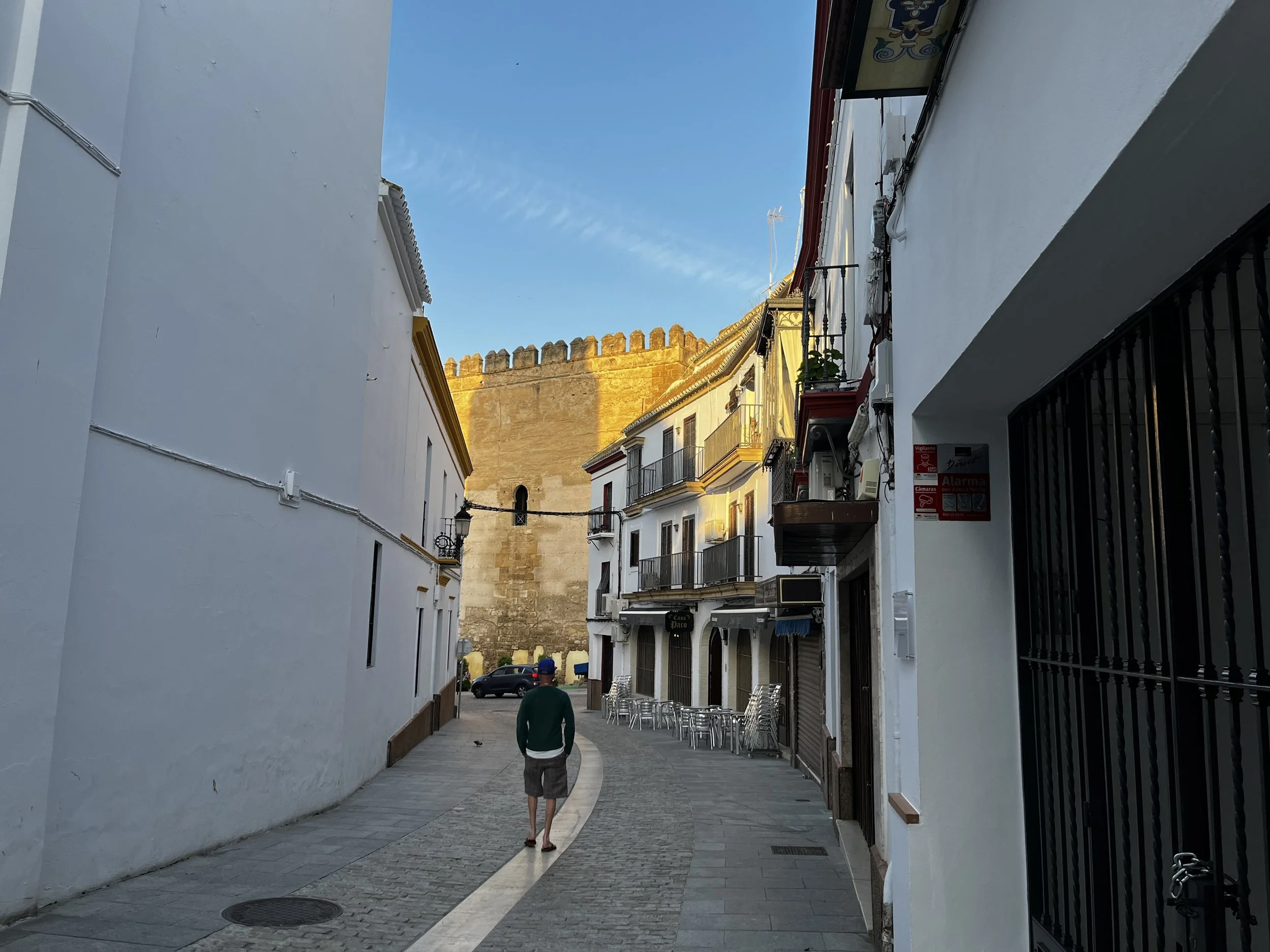
Andalusia morning. Photo by Wendy Stieg
Finding Your Best Choice
Whenever you are engaged in any kind of project, situation or long term incident, the chateau will eventually fight back. You will run into a dilemma. These dilemmas are not simply obstacles that derail our plans. They ask us to look more closely at what matters most. Not just where our values lie in theory, but what deserves our attention and care in this particular moment. When you give yourself enough time to sit with the uncertainty, rather than rushing to escape it, clarity begins to take shape. The decision that follows may still be difficult, but it will be grounded. And when it comes from that place, you can trust that you have arrived at your best choice.
If you like to work through travel plans on paper, visit the Best of Both Worlds Shop. You’ll find nine Bon Voyage travel planner and keepsake books, along with individual printable planning pages if you want a smaller, lower-cost option.
