European Transportation Options, Part 2
What to Book, When to Book, and How to Decide Once You’re There

Planning transportation doesn’t mean locking everything in
The Best of Both Worlds Blog has been exploring transportation for European Vacations. In Part 1 of this two-part series, we explored a practical overview of European transportation options. A companion to your planning is our well-designed Transportation Planner, there to help you capture information as you plan. Best of Both Worlds is all about joy, flexibility, and freedom. We aim to guide toward fun and adventure and to steer you away from overwhelm. In vacation planning, there is always the risk of planning too much, of over planning, and of not trusting the “white space” needed around all vacations. January’s Blueprint is a brief reminder of trusting yourself to leave some things unplanned. The most important thing about planning your transportation is knowing which types you DO need to lock in ahead of time, which types you can purchase and use when you get there, and which are great for on-the-fly needs.
Transportation that works best when booked well in advance
One of the most helpful parts of transportation planning is recognizing which decisions benefit from early commitment. These are the choices that shape the structure of your trip and are more difficult to change later. While you may research many transportation options, this category is where locking things in early truly reduces stress down the line.
These transportation decisions are worth booking in advance because availability and choice matter. Booking early allows you to select routes, schedules, and seats that fit your trip, rather than adjusting your plans around what remains. Once these decisions are made, the goal is to move on. Trust your judgment, resist the urge to second-guess, and let small price fluctuations go so you can focus on other parts of your trip.
This category typically includes long-haul flights, shorter regional flights when they are necessary, and high-speed intercity trains that connect major destinations. These forms of transportation often sell out, become more expensive closer to departure, or offer fewer desirable options if left too late. Because they anchor your itinerary, they are best handled early and with intention.
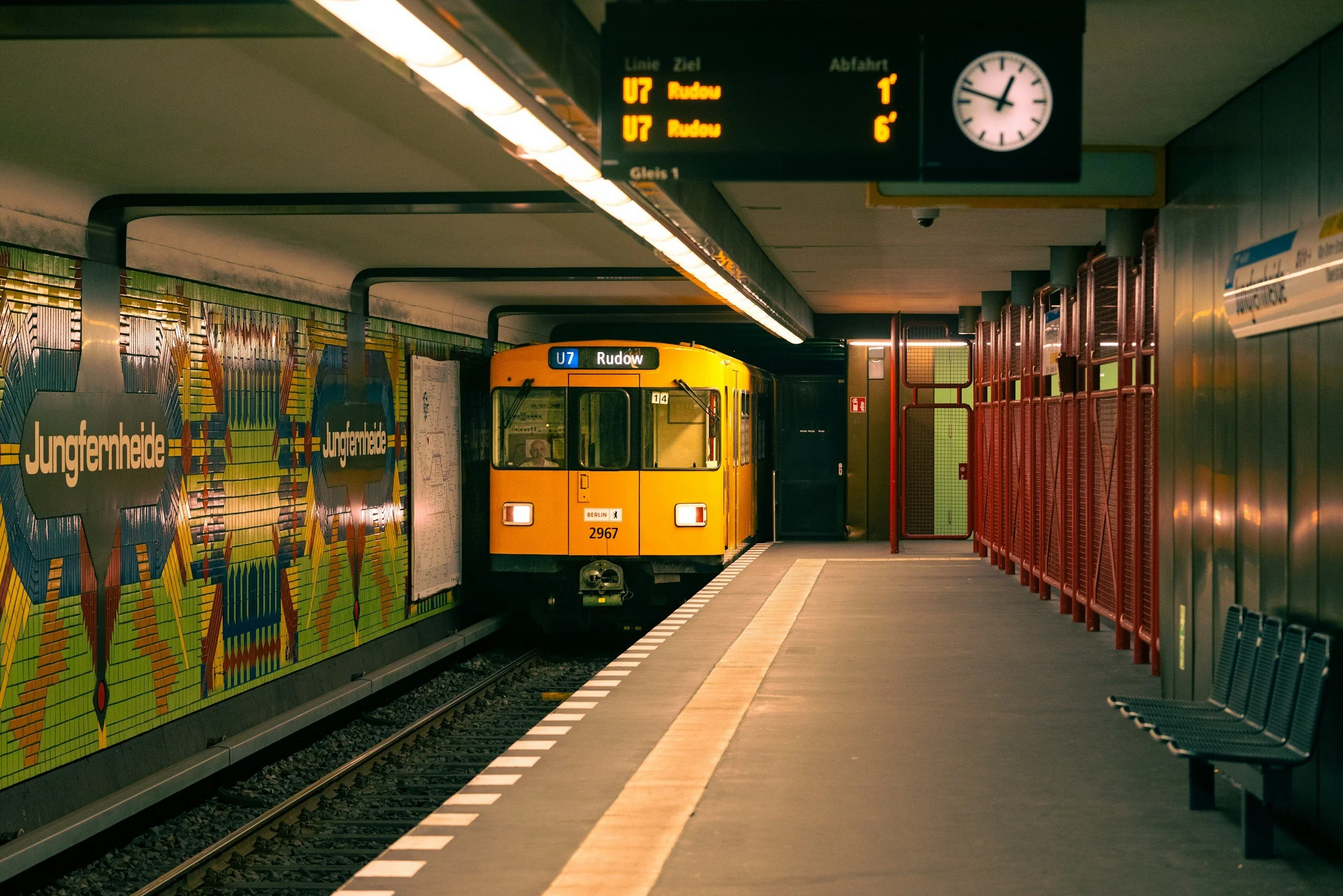
U - Bahn in Berlin. Photo by Henry Addo
For travelers still refining airfare plans, the Best of Both Worlds article Finding Affordable Airfare offers additional perspective.

Transportation You Plan Intentionally, but Don’t Necessarily Book Early
Not all transportation decisions benefit from being locked in early. Some options are best planned with awareness and intention, while leaving room to book later once the shape of your trip becomes clearer. Having these decisions noted somewhere, even if they remain unbooked, is just as important as committing early to the transportation that anchors your itinerary.
This category includes transportation choices that depend on pace, timing, and how your days are unfolding. Knowing what systems are available, how they match your needs during different parts of the trip, and where tickets or passes can be purchased allows you to plan without committing too soon. Researching without booking gives you clarity about options and timing, without removing flexibility.
Spain’s Train System. Photo by Gabriel Martin
In these cases, planning may simply mean deciding when you will book, rather than booking immediately. Waiting can lead to better decisions, especially once you understand how much ground you want to cover, how much energy you have, and whether your plans are shifting.
Examples often include regional trains, slower intercity routes, rental cars for rural or countryside travel, ferries with frequent departures, and some city or regional transit options that don’t require advance purchase.
Transportation That Works Best When Handled Locally
Some transportation decisions are best made in the moment. We had one experience where a locally handled option was exactly what we needed. After a very long walk to the Belém area, a rideshare turned out to be the right choice. Situations like this call for flexibility and a basic understanding of what options are available, making last-minute decisions easy to handle rather than stressful.
This is the kind of transportation you don’t need to pre-book, but it is worth being prepared for. European cities typically offer a range of locally handled options, including taxis, tuk tuks, ferries, water taxis, and rideshare services in many areas. Some cities have restrictions on certain rideshare platforms, so availability can vary, but having your payment methods set up in advance allows you to use what’s available when you need it.
One simple step that helps here is making sure your credit card or payment method is already connected for rideshare use before you leave home. Another option worth mentioning is setting up a Wise account in advance. Wise can be used for ATM withdrawals, rideshares, and everyday purchases, and it typically offers better exchange rates with very low fees. Their website clearly shows exchange rates before you transfer money from U.S. accounts. We’ll cover money and travel in more detail in a future article, but having Wise set up ahead of time can make on-the-ground decisions feel much simpler.
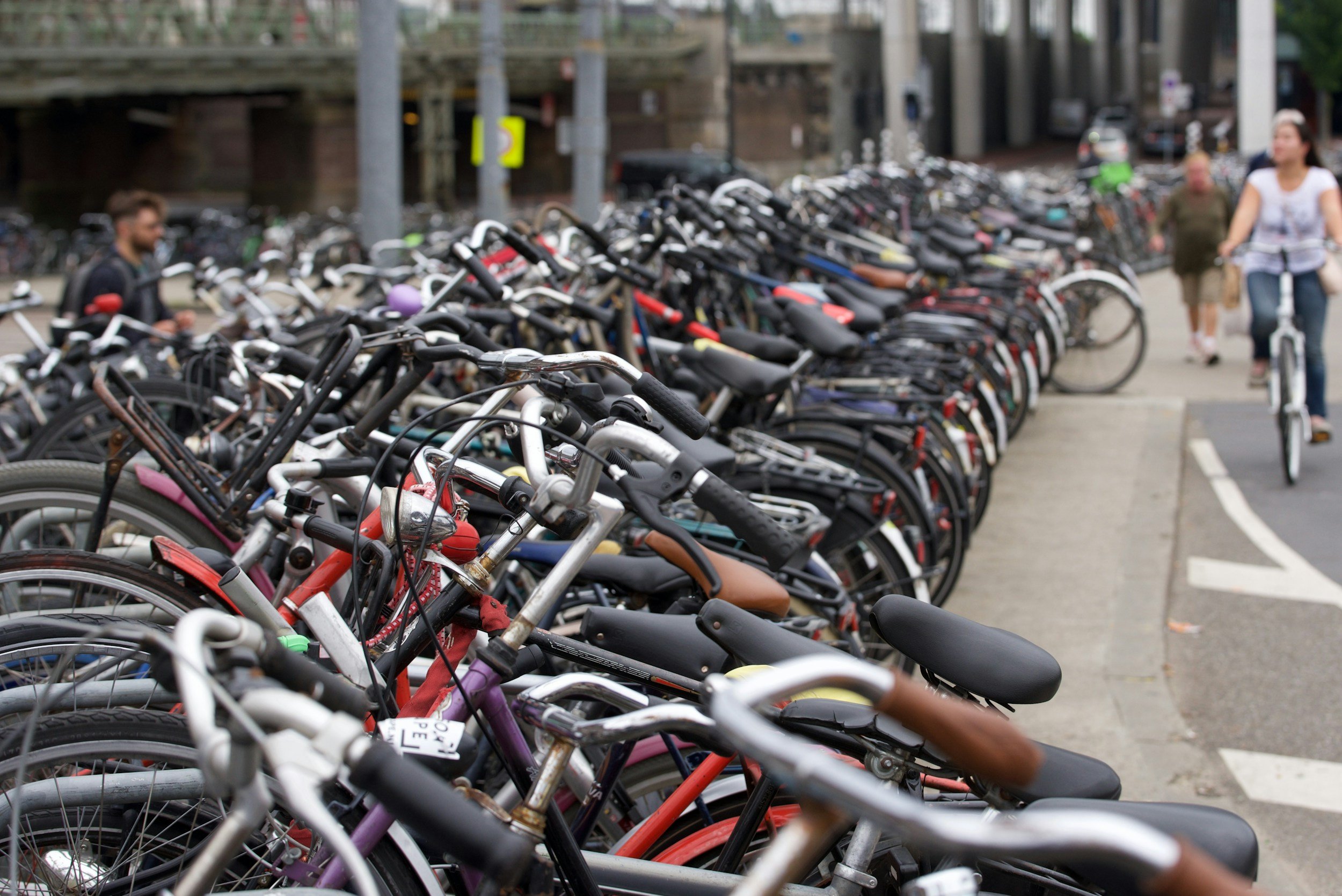
Amsterdam Bicycles. Photo by Tim Wilson
This category of transportation supports daily movement and short distances. These systems are designed to be used locally, not researched extensively in advance. Simplicity and context matter more than optimization here.
Examples often include city transit, bicycles, walking, taxis, and rideshare services, tuk tuks, and water taxis. When handled this way, transportation fades into the background and simply supports the day you’re having.
When Plans Change, and Why That’s Still Good Planning
Even with thoughtful planning, trips rarely unfold exactly as imagined. You may arrive in a city feeling settled and oriented, only to realize a few days in that you’d love to spend a day exploring the countryside, or perhaps stay overnight somewhere you hadn’t originally planned. This doesn’t mean your planning failed. It means you’re responding to the trip as it’s actually unfolding.
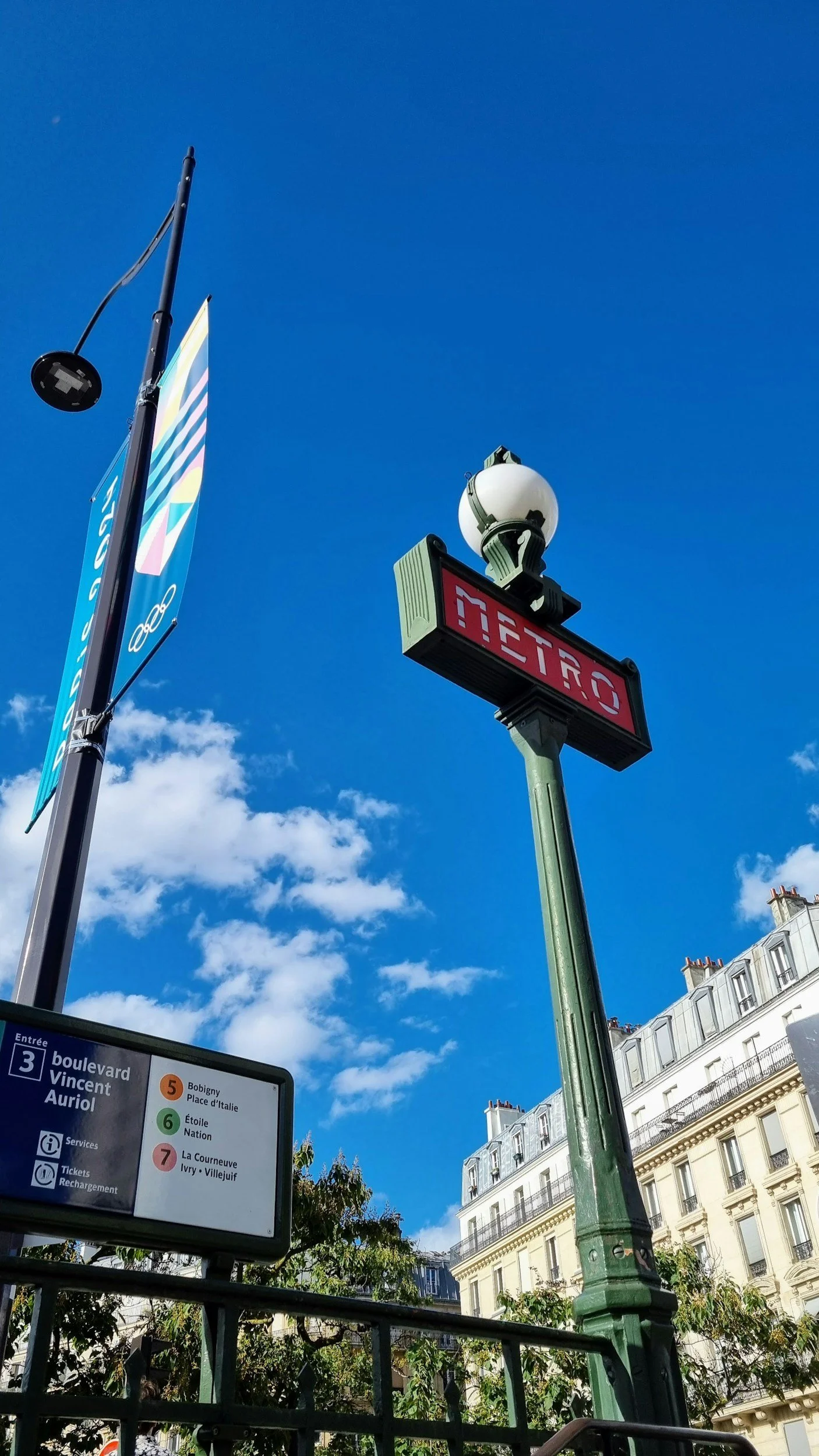
Metro in Paris. Photo by Joon Kwan
One of the advantages of traveling in Western Europe is that transportation systems are built to support these kinds of decisions. Larger cities are well connected by trains, regional routes run frequently, and rental cars are readily available when you need them. If you decide mid-trip that a car makes sense for a short window, it’s often possible to arrange one locally without having committed weeks in advance.
Our Rental Fiat in Portugal. Photo by Wendy Stieg
Even when things don’t go quite as planned, the systems are forgiving. We once carefully researched Spanish trains, purchased tickets, boarded confidently, and only then realized we were traveling in the wrong direction. It wasn’t a crisis. We stepped off, reoriented, and used a rideshare to get where we needed to be on time. The point wasn’t that we made a mistake, but that we knew our options well enough to recover calmly.
Good planning doesn’t eliminate surprises. It gives you the confidence to adapt when they appear. When you understand how transportation works and where flexibility lives, changes stop feeling disruptive. They become part of the experience, handled thoughtfully and without unnecessary stress.
How These Pieces Work Together in Real Trips
Most trips use all three approaches to transportation planning, often at the same time. Some decisions are made early and locked in so they no longer take up space. Others are planned with intention but left open until timing and pace are clearer. Still others are handled locally, in response to how the day unfolds. This isn’t inconsistency. It’s sequencing.
Instead of trying to solve every transportation decision at once, this approach places attention where it’s most helpful. You commit early to the choices that shape the structure of your trip. You stay flexible where context improves decisions. And you allow everyday movement to be handled simply, once you’re there. When transportation is planned this way, it supports the experience rather than competing with it.
Seeing transportation as a set of connected decisions, rather than a single problem to solve, makes planning feel lighter. It also creates space for changes, curiosity, and the unexpected moments that often end up defining a trip.
What “Planning Transportation” Actually Means
Planning transportation doesn’t mean booking everything in advance or predicting every possible scenario. It means knowing which decisions benefit from early commitment, which ones improve when timed closer to the moment, and which ones are best handled locally once you arrive.
In practice, that may look like booking and paying for major routes early, deciding when and where you’ll book other transportation later, and trusting yourself to handle short distances and daily movement as they come. When transportation is approached this way, it fades into the background and allows the trip itself to take center stage.
The goal isn’t perfect planning. It’s creating enough structure to move through your trip with confidence, while leaving room for ease, adjustment, and discovery along the way.