
Europe Transportation Options, Part 1
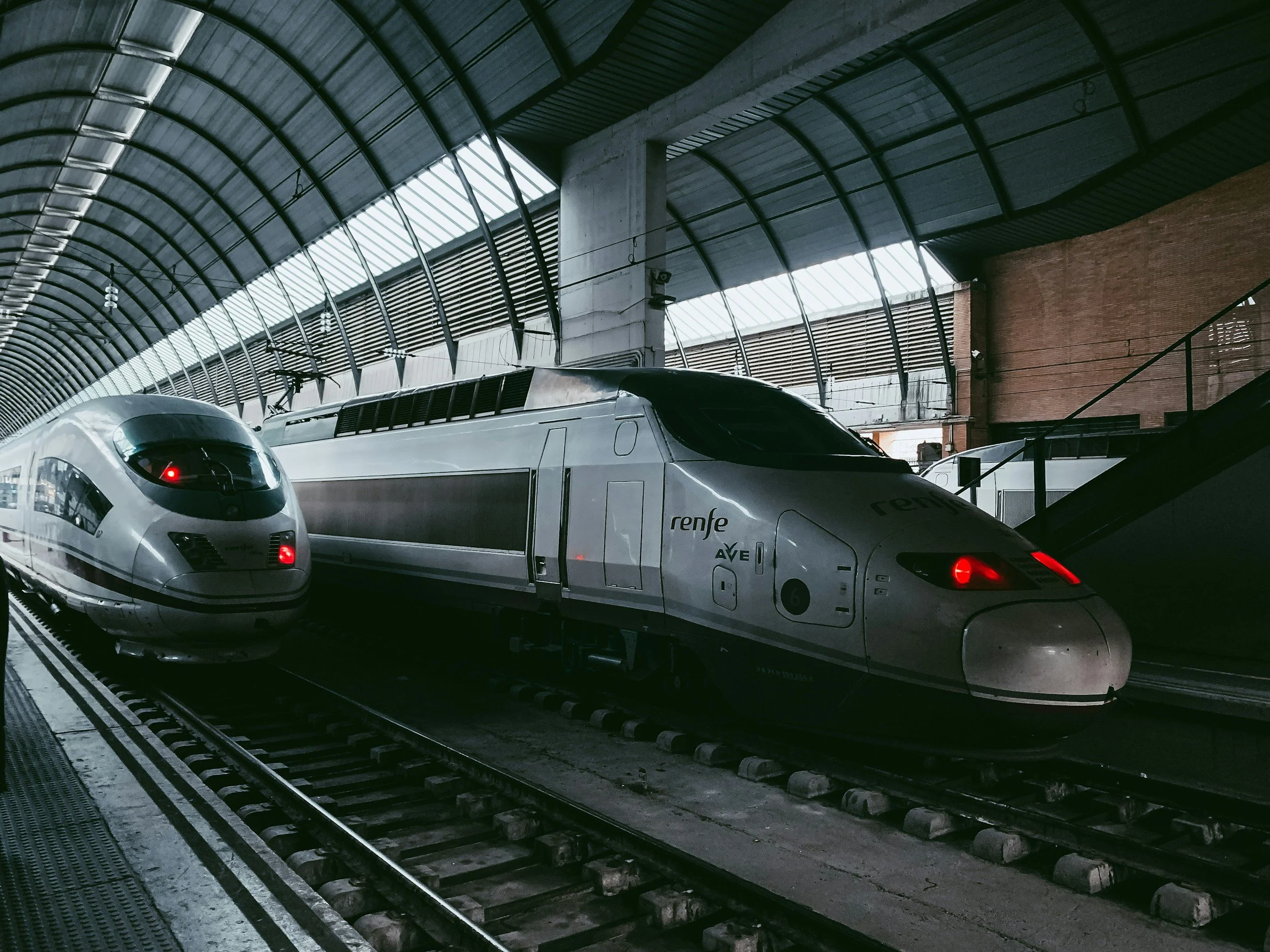
High-speed trains make traveling between cities in Spain easy without renting a car.
This article contains affiliate links. If you book or purchase through one of these links, I may earn a small commission at no additional cost to you.
You booked the flight. You found a place to stay. Now, how are you going to get around?
The good news is that getting around Europe is often easier than you think. Trains connect cities, metros, trams, and buses get you around once you're there, and sometimes the best transportation is simply your own two feet. A rental car can be useful too, but probably not everywhere.
In Part 1, we'll look at the options and how to decide what makes sense for your trip. Then, in European Transportation Options, Part 2, we'll tackle the practical stuff: finding routes, comparing prices, and actually booking it.
Still planning your trip? Find Bon Voyage keepsakes and printable travel planners in the Best of Both Worlds Shop.
Trains: Regional vs. Intercity
Trains are one of the easiest ways to travel between European cities, with stations often located right in the city center. Regional trains make frequent stops and connect cities with nearby towns and smaller destinations, while intercity trains cover longer distances with fewer stops.
Trains also eliminate many of the hassles of driving. There is no traffic, no parking, and no navigating unfamiliar roads. In much of Western Europe, you can travel extensively without renting a car at all.
Planning your transportation? Klook makes it easy to search and book trains, buses, and other transportation options as you put your European itinerary together.
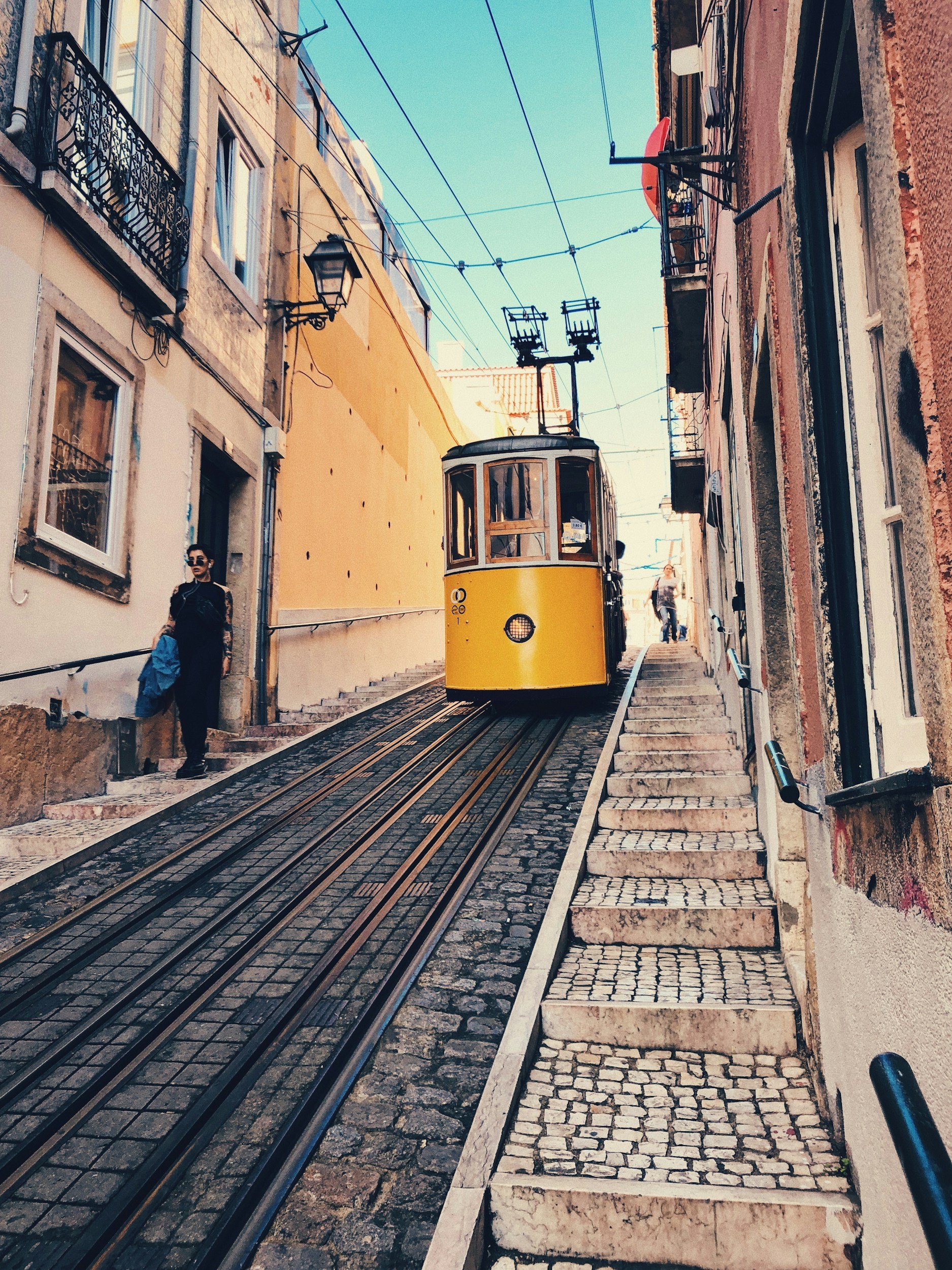
Lisbon’s funiculars make the city’s steep hills a little easier to navigate.
City Transportation: Metro, Tram, and Bus as One System
Once you arrive in a European city, most of your day-to-day movement will happen on public transportation. Metros cover longer distances quickly, trams connect neighborhoods and historic districts, and buses fill in the gaps. Rather than thinking of them as separate choices, think of them as one connected system.
In Madrid, we bought a city pass and loaded it with enough credit to get around, eliminating the need for a rental car and mostly eliminating rideshare. We used rideshare exactly once, after getting on the wrong train, getting off at the wrong stop, and realizing we needed to reach our destination in time to check in. Otherwise, public transportation combined with walking got us where we needed to go.
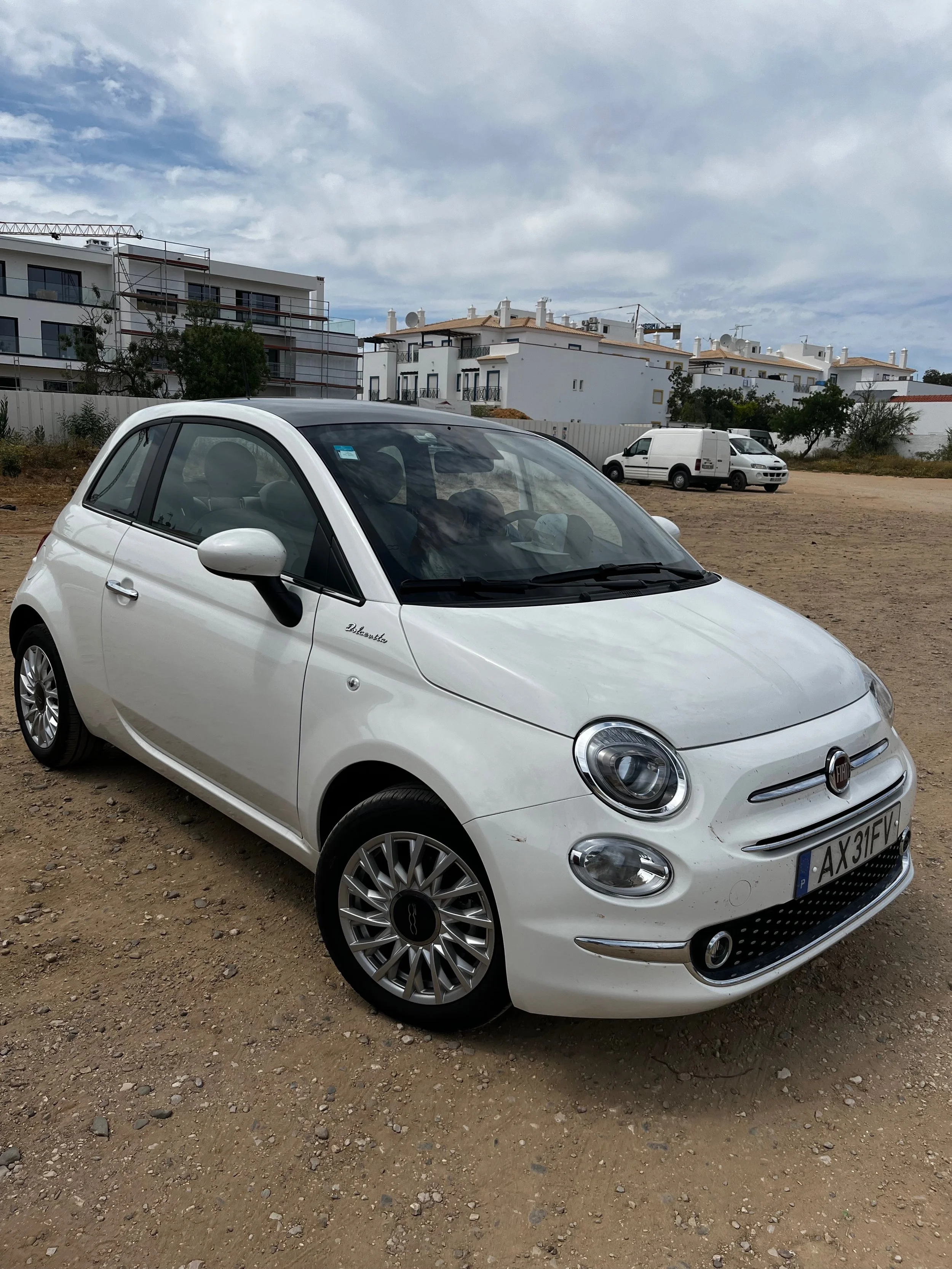
Our little Fiat rental gave us the freedom to explore beyond Lisbon. Photo by Wendy Stieg.
Renting a Car: When It Helps and When It Hurts
Ahhh, renting a car. In Europe, it can be incredibly useful in rural areas, small towns, and places where public transportation is limited. We rented one because we had a short stay, wanted to travel between Lisbon and the Algarve, and needed to limit our time in transit. I would love to repeat that trip with more time, more trains, and fewer cars.
In cities, however, a car can quickly become difficult to maneuver. Streets are narrow, parking can be difficult and expensive, and many historic centers have restricted access. Often, the better option is to travel between cities by train and rent a car only when you're heading somewhere public transportation doesn't easily reach.
Thinking about renting a car? Auto Europe lets you compare rental car options across Europe, making it easier to decide what works for your route, schedule, and budget.
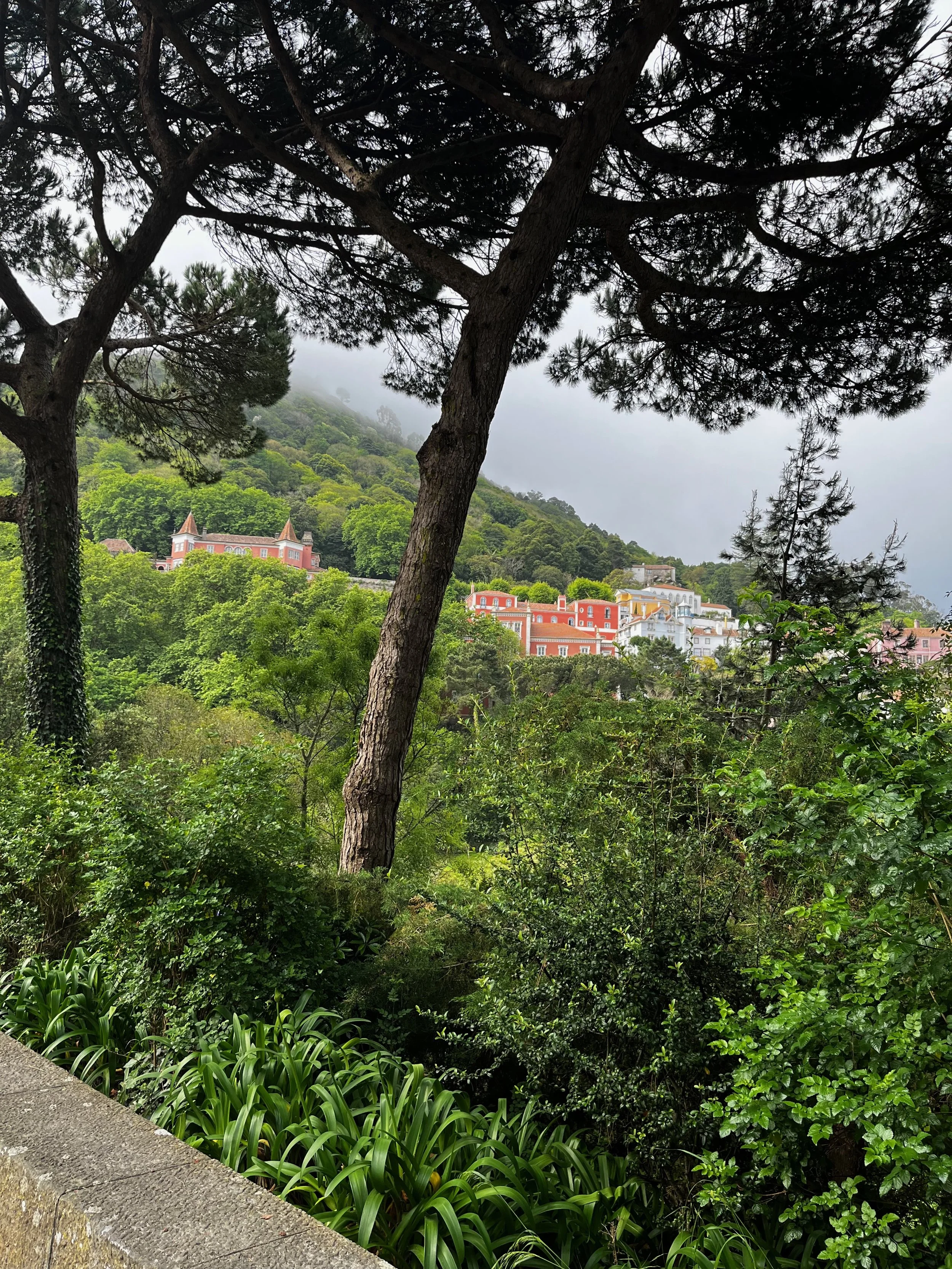
Views from our hike up to the top of Serra de Sintra. Photo by Wendy Stieg
Walking and Short Rides: The Hidden Foundation
One of my favorite memories is of staying in Sintra and walking to the base of the Serra de Sintra, where visitors begin the climb up the steep hill toward Castelo dos Mouros and Pena Palace. As we started up, we passed a group of tuk tuk drivers who called out to ask if we wanted a ride. We love walking. We walk everywhere and genuinely enjoy the exercise. We also come from Colorado, and an almost sea-level hill, even a steep one, felt just about perfect for a morning walk.
“You will want us pretty shortly,” they shouted after us as we declined and kept going.
Would you prefer to have an airport transfer service? Welcome Pickups is just the thing.
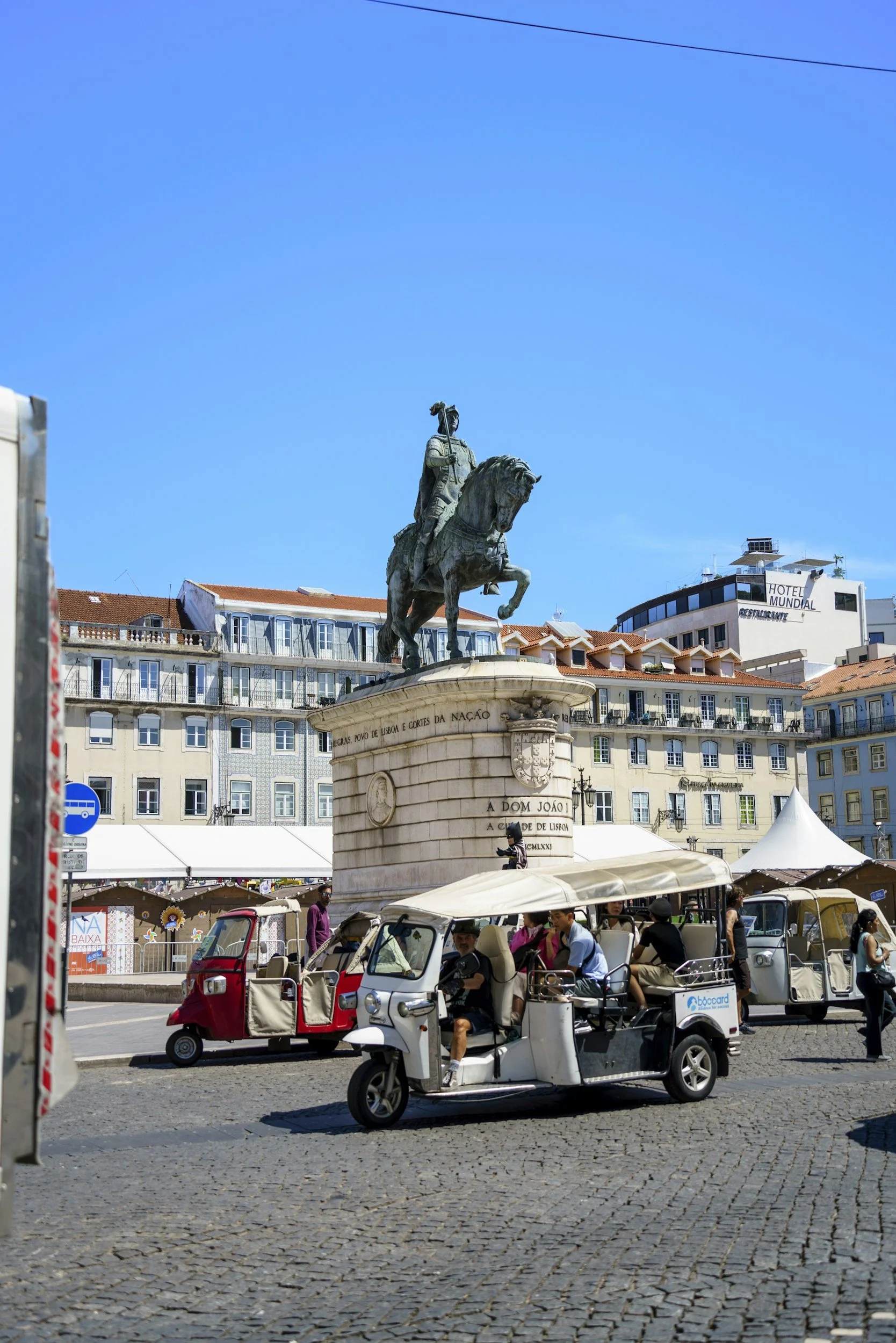
Tuk Tuk Driver in Lisbon, Portugal
Walking connects everything, slows your pace, and allows you to notice things you would miss otherwise. Short rides, whether by taxi, rideshare, or tuk-tuk, can fill the gaps when the distance, terrain, or timing calls for it. Together, walking and the occasional short ride let you move through a city without overcomplicating transportation.
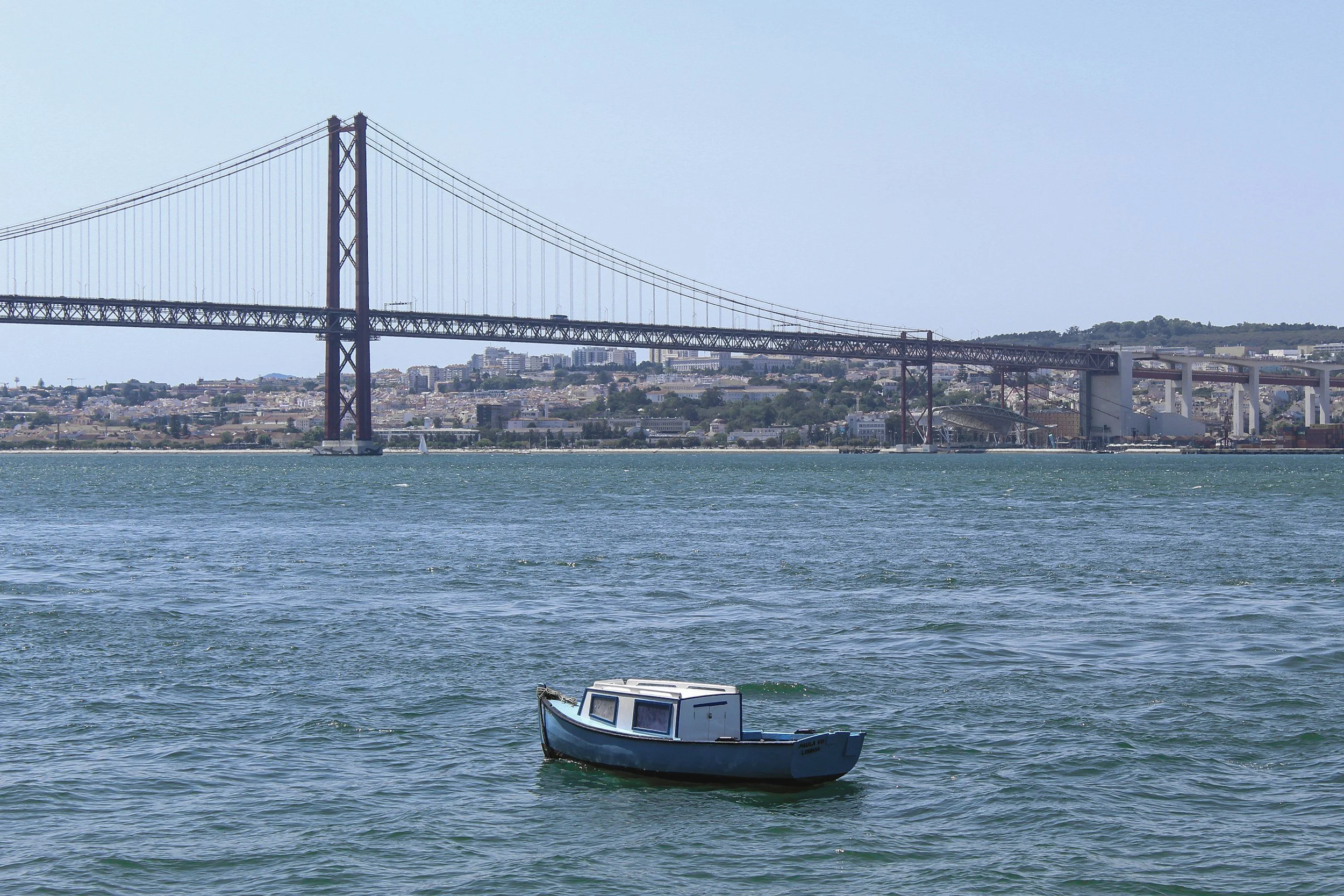
Water Taxis, less commonly used, but more fun!
How to Decide What Fits Your Trip
The best transportation choices depend on the trip you are actually taking. City-focused trips work well with trains, walking, and public transportation, while countryside, coastal, or small-town travel may make a rental car worthwhile. Most European trips don't require choosing just one. Combine transportation options based on where you're going, how much time you have, and how you want to travel.
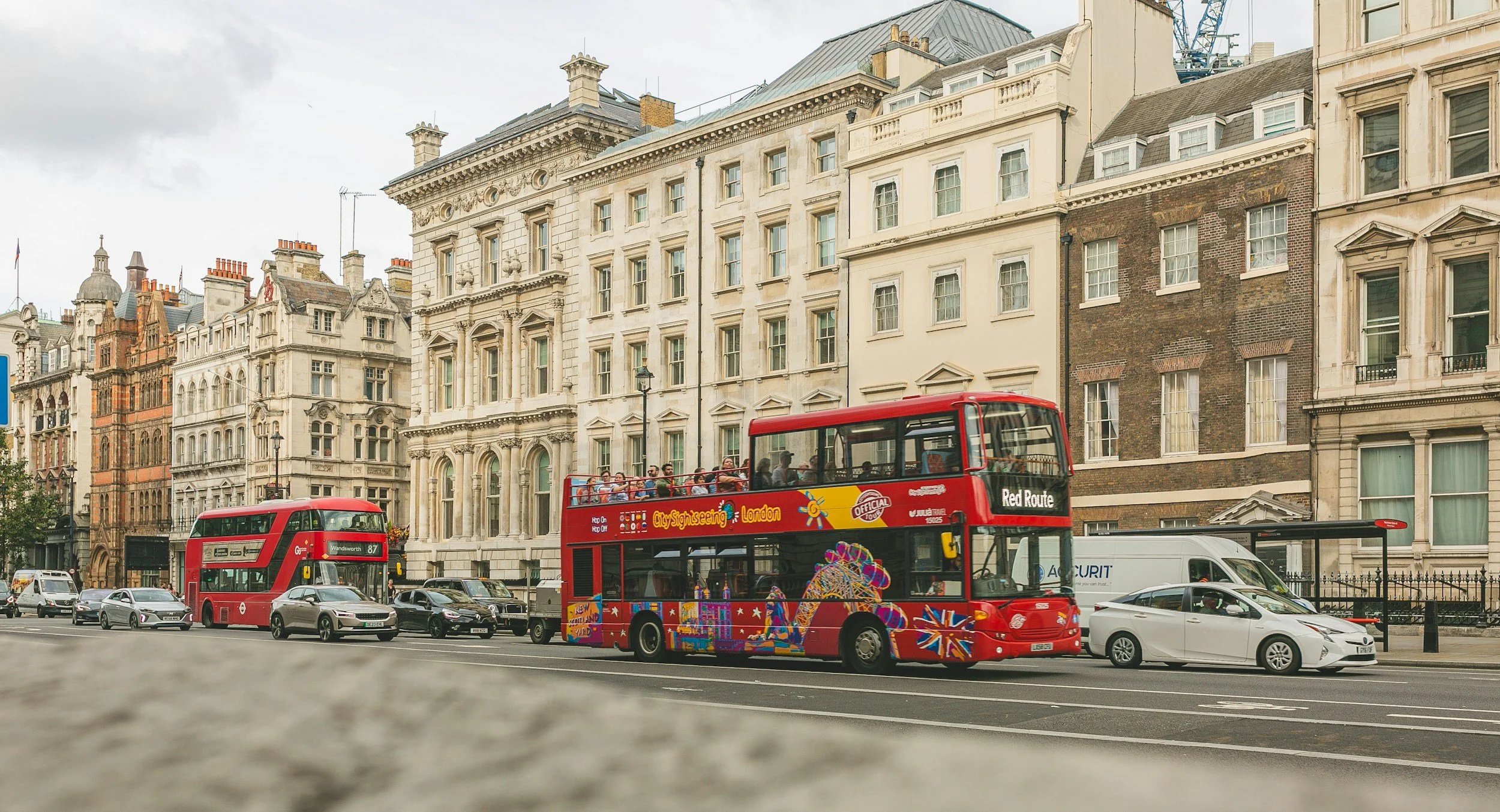
Double-Decker Bus in London
Where to Find Official Transportation Information
Once you understand the transportation options, the next step is knowing where reliable information lives. In Europe, most transportation is managed by city or national systems, and their official websites are the best place to find current routes, schedules, fares, service changes, and ticket options.
City Transportation (Official Sources)
Lisbon: Metro; city buses and trams; https://www.metrolisboa.pt/en/; https://www.carris.pt/en/
Paris: Metro, RER, bus, tram (RATP); Paris Public Transport (RATP)
Amsterdam: Metro, tram, bus (GVB); Amsterdam Public Transport (GVB)
Brussels: Metro, tram, bus (STIB-MIVB); Brussels Public Transport (STIB‑MIVB)
Rome: Metro and city buses (ATAC); Rome Public Transport (ATAC);
Madrid: Metro and city buses (Metro de Madrid, EMT Madrid); Madrid Public Transport; EMT Madrid City Buses;
Berlin: U-Bahn, S-Bahn, tram, bus (BVG); Berlin Public Transport (BVG);
These official city websites provide system maps, route information, service updates, and guidance on how transportation works within each city. You may need to adjust your web browser so the language is correct.
Trains: Intercity and Regional
For travel between cities and regions, train systems are managed at the national level. These official rail operators are the best places to understand routes, travel times, and how train networks are structured.
Portugal
Comboios de Portugal (CP)
https://www.cp.pt/passageiros/en
France
The Netherlands
Nederlandse Spoorwegen (NS)
https://www.ns.nl/en
Belgium
NMBS/SNCB
https://www.belgiantrain.be/en
Italy
Trenitalia
https://www.trenitalia.com/en.html
Spain
Germany
Deutsche Bahn (DB)
https://www.bahn.com/en
Independent Orientation Resource
The Man in Seat 61
https://www.seat61.com/european-train-travel.htm
This site is especially helpful for understanding how different train types work and how international routes connect before you begin booking.
Ready for Part 2?
Ready to start booking? European Transportation, Part 2 covers finding routes, comparing prices, booking transportation, and choosing the right tickets or passes for your trip.
