
How Retiring in France May Be Right for You
EUROPEAN RETIREMENT SERIES
Finding the Right Fit

Could a European pied-à-terre be in our future? Apartment living in Madrid, Spain. Photo by Wendy Stieg
Wait…France Just Entered the Conversation?
Are we going to just keep doing this?” He was referring to working non-stop for months on end until you can get away. We are talking about Paul here, so anyone who knows him will not be surprised by his missive. I think what is surprising is to finally realize that if we stay in the United States, life will not be the retirement we envisioned. We are not alone in this assessment of our retirement situation: Healthcare, a bleak retirement outlook, the financial difficulties we've both experienced, and more mean we have to do this differently than the standard operating procedure. Anyone following us realizes that we spent a lot of time in Portugal and almost bought property there as a move toward retirement.
Losing the house gives us a great opportunity to explore more of Europe. Paul also wants me to seriously consider countries like Panama, Mexico, and maybe other Central American countries. I love Mexico, I speak Spanish, and I grew up in Colorado, so I have essentially been immersed in the culture. I mean it, I love Mexico. I also worry about crime, cartels, government changes, and more. My friend Sebastian, who is from Argentina, suggested only buying property in first-world countries, as the governments tend to be more stable. That recommendation has stuck with me.
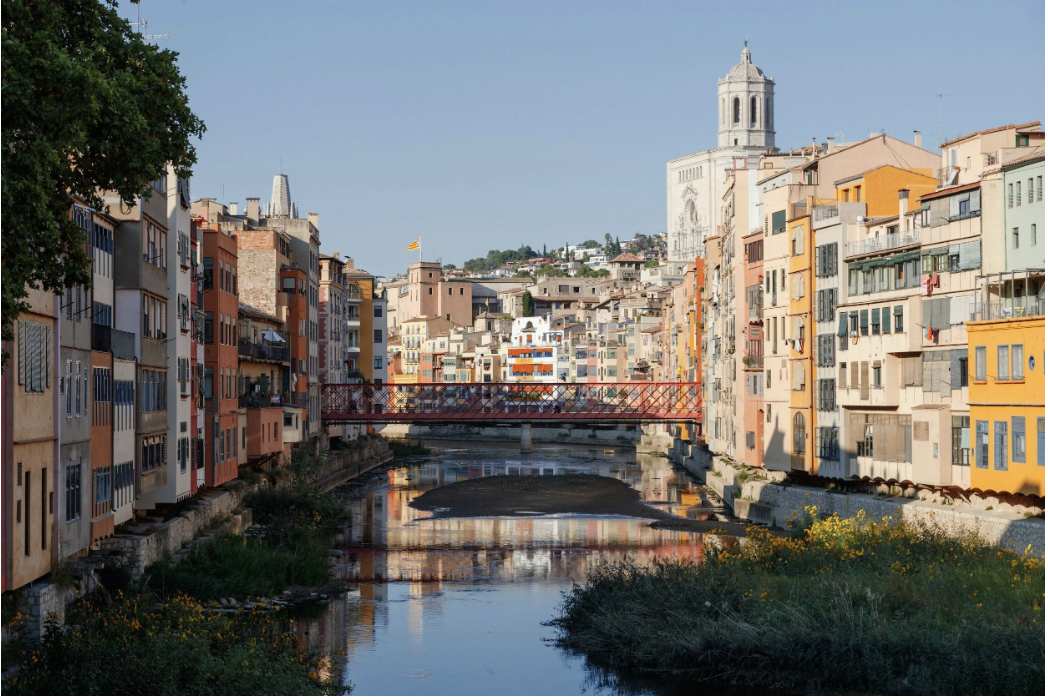
Girona, Spain. Photo by Lucas Chizzali
We love the Mediterranean, the ocean, the mountains, and the proximity to the rest of Europe. We spent a great deal of time researching Portugal. While we were sad to lose the house, we are happy about the opportunity to get to know other parts of Europe before making this decision. Our next trip is definitely going to be the Girona area of Spain and parts of France that are nearby, so basically the Mediterranean. That opens up a door to consider France, too.
The Next There explores how I stopped chasing the next job and started building the next phase of life.
Why France?
I already know it wouldn’t be Paris, but we can always GO to Paris! Paris sets the tone for the rest of the country in many ways. For centuries, it has influenced France's style, cuisine, culture, and way of life. I have heard some people say they think that the French are arrogant. Maybe, or maybe they just know how to do a lot of things better. Take French food, for example. I have spent years working in restaurants and have worked around many different chefs from all over the world. One thing is true: all self-respecting chefs will have a solid understanding of French cuisine. Yes, the French do food incredibly well.
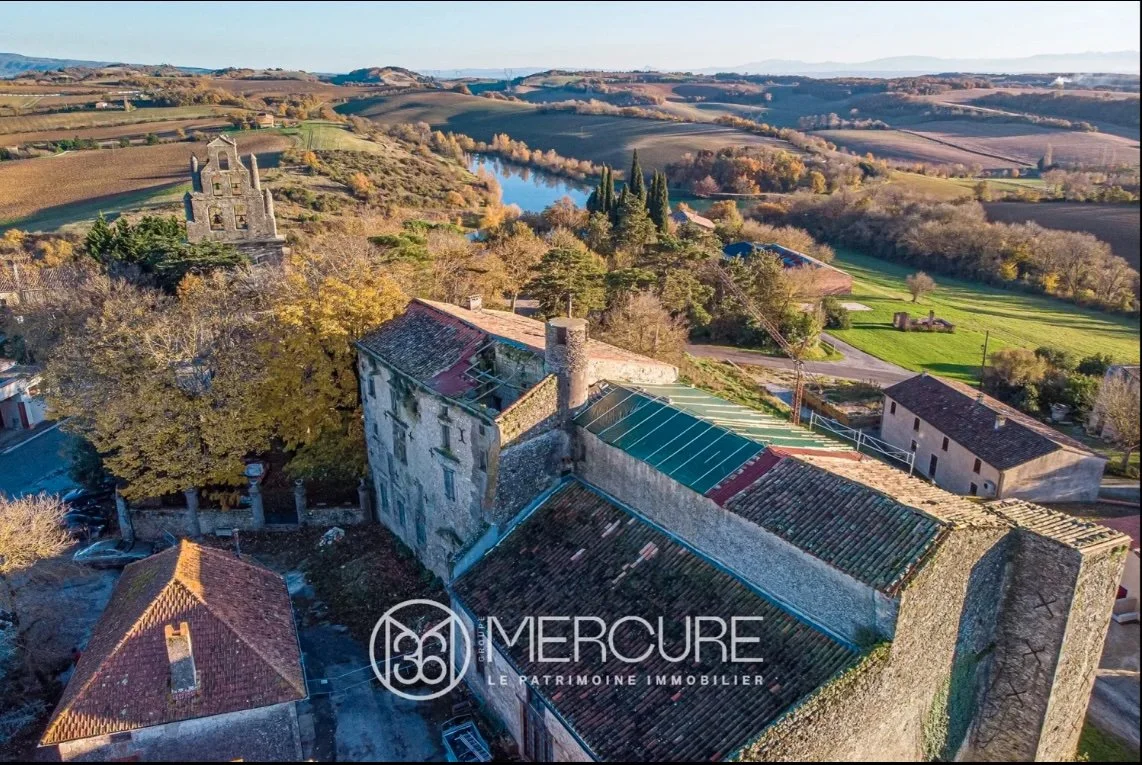
€200,000 Midi-Pyrénées Château. Photo courtesy of Mercure Le Patrimoine Immobilier.
What Booking Luxury Travel Taught Me About Intentional Travel explains why meaningful travel has much more to do with how you experience a place than how much you spend.
Other aspects of the lifestyle include local and outdoor markets, French clothing and fashion, and even French apartments are incredible. Who wouldn't want to live in a pied-à-terre in the 5th arrondissement? That would give you incredible access not only to markets but also to cafés, restaurants, and entertainment. But let’s not stop at the lifestyle in Paris. There is a huge resurgence right now in people buying and renovating châteaux across the country. While you can purchase an actual medieval castle for under €200,000, you will have a massive job on your hands. These properties also offer opportunities to generate income. It would also probably take you years, not months, to find the right property. And whatever level of carpentry skill you may have, you are no match for a French château. That said, history buffs and people who dream of running a gîte, or guest house, would have endless opportunities for design, upcycling, renovation, and innovation. It could provide a strong sense of purpose for years to come, while creating a legacy to pass on to your family.
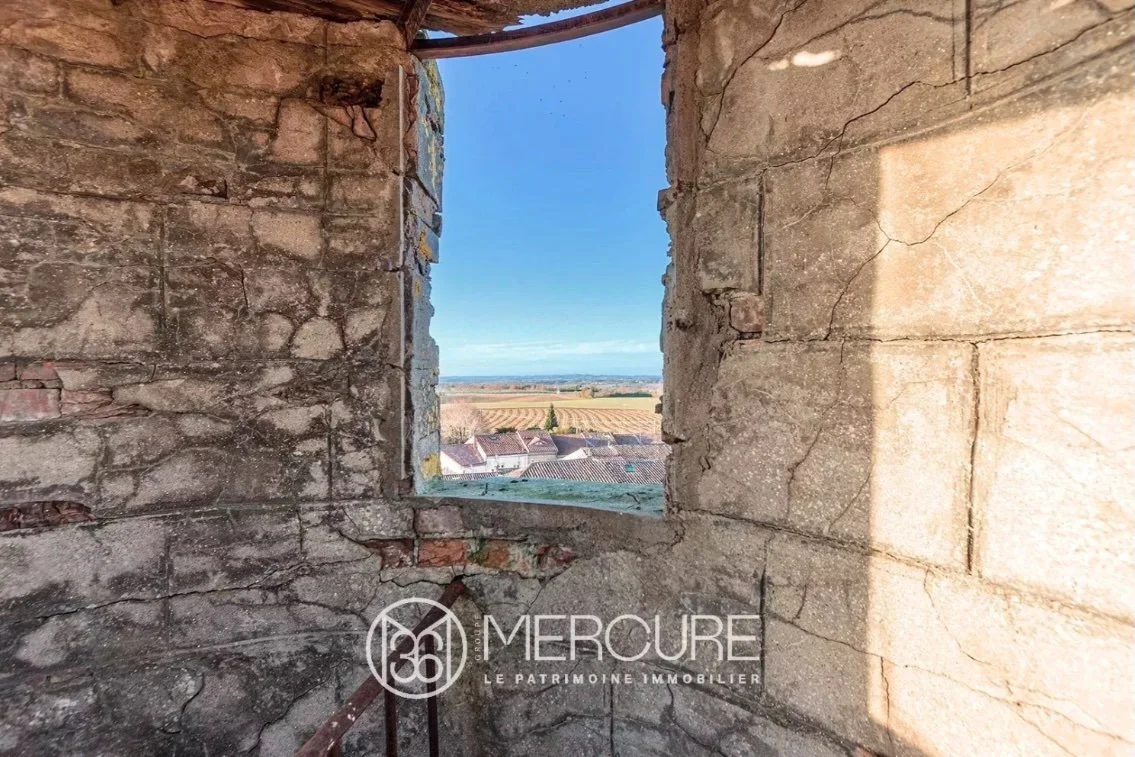
View from the Midi-Pyrénées Château Tower. Photo courtesy of Mercure Le Patrimoine Immobilier.
There are also endless areas to consider, including the Alps, the coast, and quaint little villages, here and there. So, France, for me, gives me a surprising option for potential areas to retire. I also know I could write about it for years and that it would be my Muse.
Curious? At the time I wrote this article, I found a 13th-century château in the Haute-Garonne region listed for under €200,000. You can see the listing here...
Daily Life
Much has been written about the Mediterranean diet, and you’ve heard me talk about the Blue Zones a lot. The average French man lives about 3½ years longer than the average man in the United States, while the average French woman lives about four years longer than the average American woman.
I am not an expert on longevity across France, but zeroing in on the Mediterranean region would be interesting. French food often seems much richer than what we eat in the United States, yet people generally eat smaller portions and seem less likely to eat continuously throughout the day.

French Market. Photo by Lauren Forando
Healthcare also factors heavily into daily life, and France has one of the best healthcare systems in the world. Everyone is covered for core healthcare services, and patients pay relatively little out of pocket.
The Blue Zones philosophy suggests that community, a strong sense of purpose, faith, moderate alcohol consumption, plenty of walking, natural exercise, and a slower pace of life can all contribute to longevity. France checks many of those boxes. It also offers shorter working hours, a strong emphasis on time away from work, and a high degree of safety compared with many countries around the world.
Retiring in France FAQs
Can Americans Retire in France?
Yes. Americans can retire in France, but if you plan to stay longer than 90 days, you'll need to apply for a long-stay visa before you move.
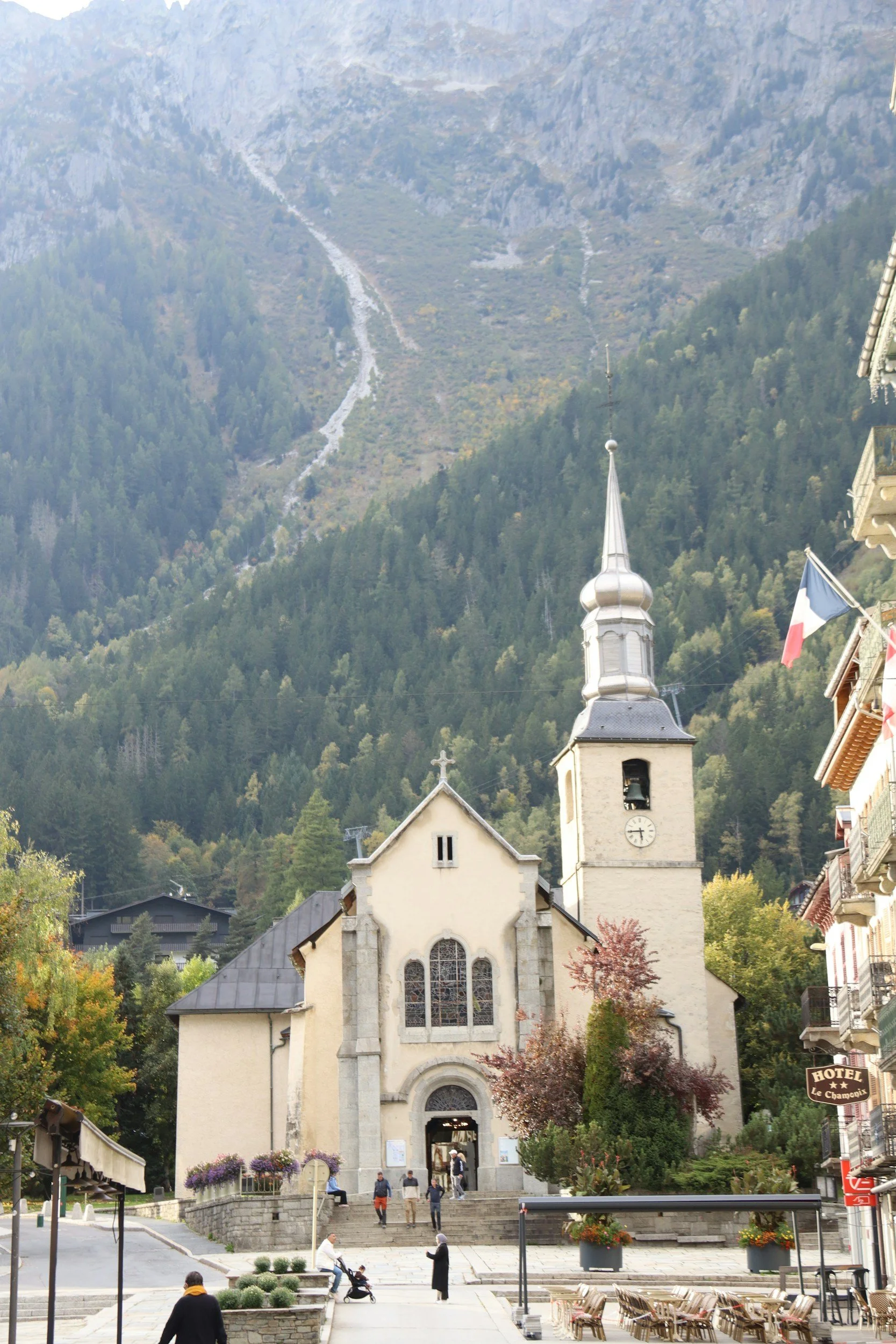
French Village in the Alps. Photo by Shalev Cohen
Is There a Retirement Visa?
Not exactly. France doesn't have a visa specifically called a retirement visa. Most retirees apply for the Long-Stay Visitor Visa (VLS-TS Visiteur), which allows them to live in France without working. To qualify, you'll generally need to show that you have enough retirement income or savings to support yourself, health insurance, and a place to live.
How Much Income Do You Need?
Unlike Spain and Portugal, France does not publish a fixed retirement income requirement. Instead, officials look at your overall financial picture, including your retirement income, savings, housing, and health insurance.
As a general guideline, a retired couple with €2,500 to €3,000 ($2,900–$3,500) per month in reliable retirement income and additional savings would likely present a strong application. There is no official savings requirement.
Is It Difficult?
I'd rate France as moderately difficult. The biggest challenge isn't meeting the financial requirements; it's gathering all of the required paperwork before you leave the United States. Fortunately, once you've done the research and organized your documents, thousands of retirees successfully make the move every year.
Where Does Wanderlust Even Come From? is the story of how this lifelong curiosity about the world began, and why it continues to shape the way I travel today.
In Conclusion:
As I started researching France, one thing kept jumping out at me. While no country is perfect, the overwhelming majority of long-term expats do not seem to regret making the move. They talk about slowing down, enjoying a better quality of life, feeling safer, eating better, and wondering why they did not do it sooner.
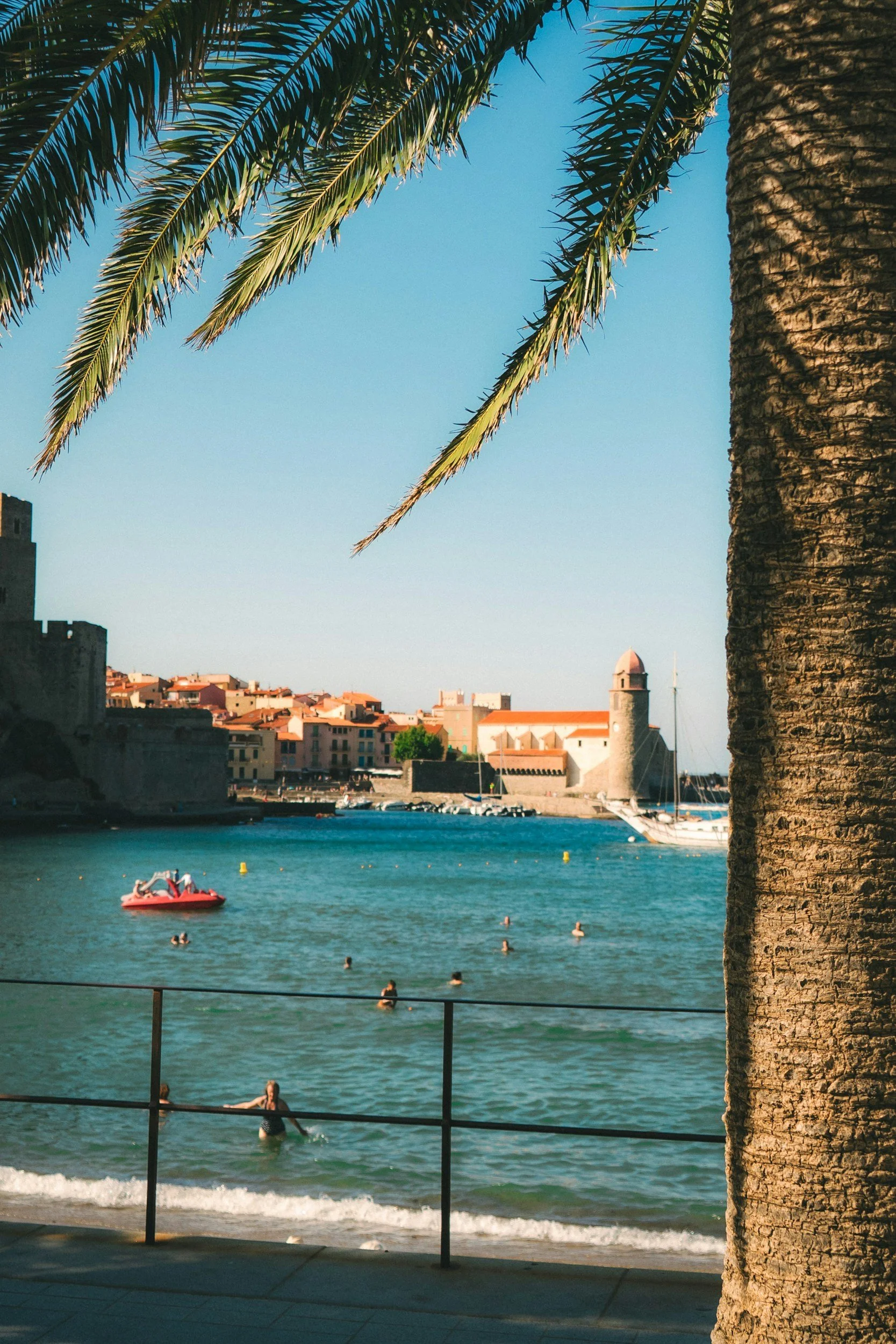
Collioure in the French Mediterranean. Photo by Mathieu Gauzy
Of course, there are frustrations, too: bureaucracy, learning French, and adjusting to a different way of doing things. But those frustrations seem to fade as people settle into their new lives. That is something I want to explore more deeply in future articles because I think those stories are just as important as the visa requirements.
There are many reasons France might be the right place to retire. As we continue exploring France, Spain, and Portugal, we will look more closely at these questions and begin figuring out which country might be the best fit.
