
What Booking Luxury Travel Taught Me About Intentional Travel
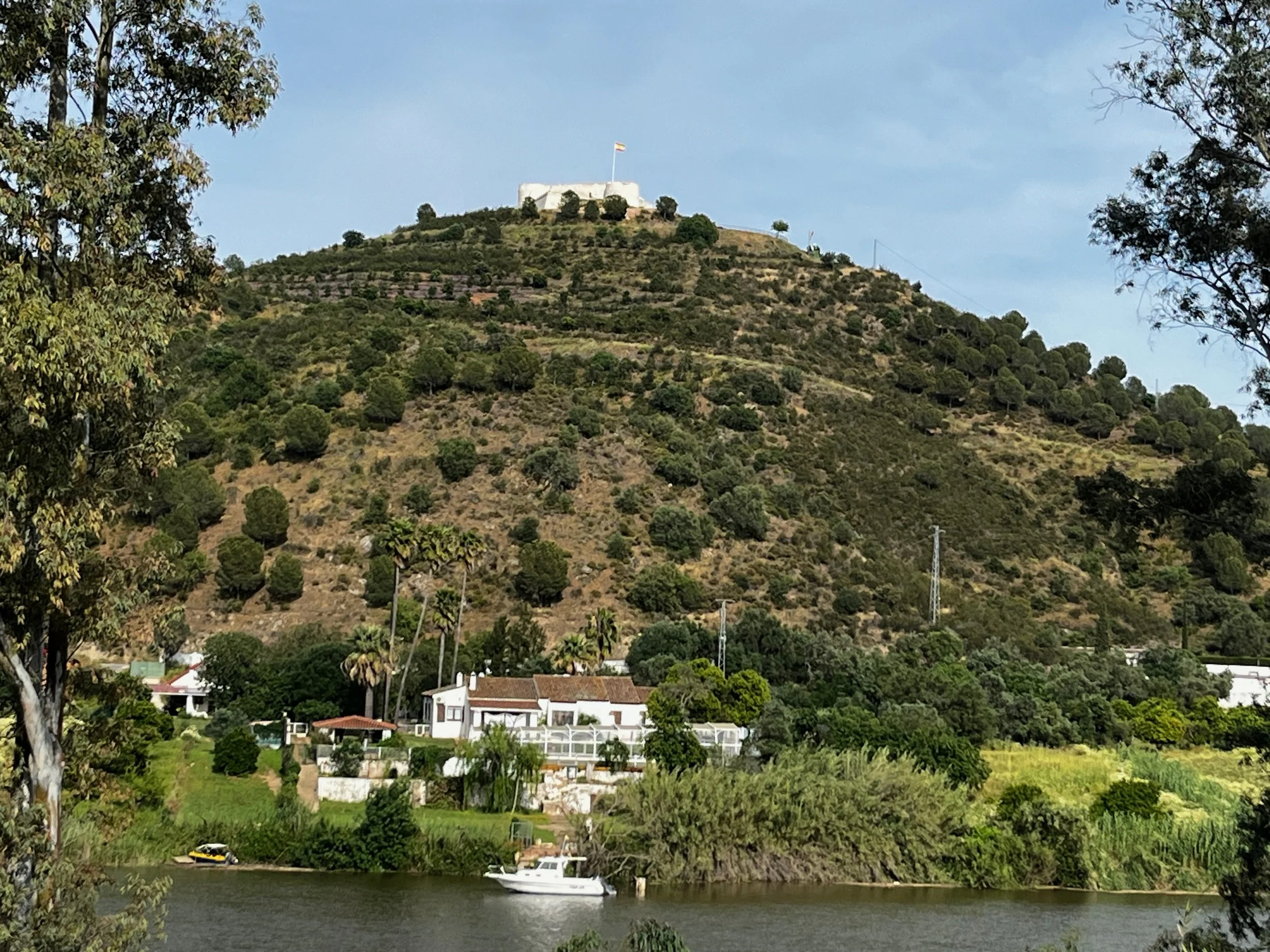
View from our hotel room, Hotel d’Alcoutim, Portugal. Photo by Wendy Stieg
The Surprise
After spending months booking luxury vacations for travel agents, it may come as a surprise to learn that my favorite lodging is often a small, independently run guesthouse. Guesthouses tend to offer something many larger properties cannot: a sense of place. They are often run by people who know the area intimately, who care about their guests, and who have created something uniquely their own. Some of my most memorable stays have been in guesthouses throughout Portugal and Spain. They may not have offered concierge service or multiple restaurants, but they offered something I value even more: connection to the destination itself. I spent seven months selling luxury travel, and I find it surprising what I learned from that experience. It’s not what you might think.
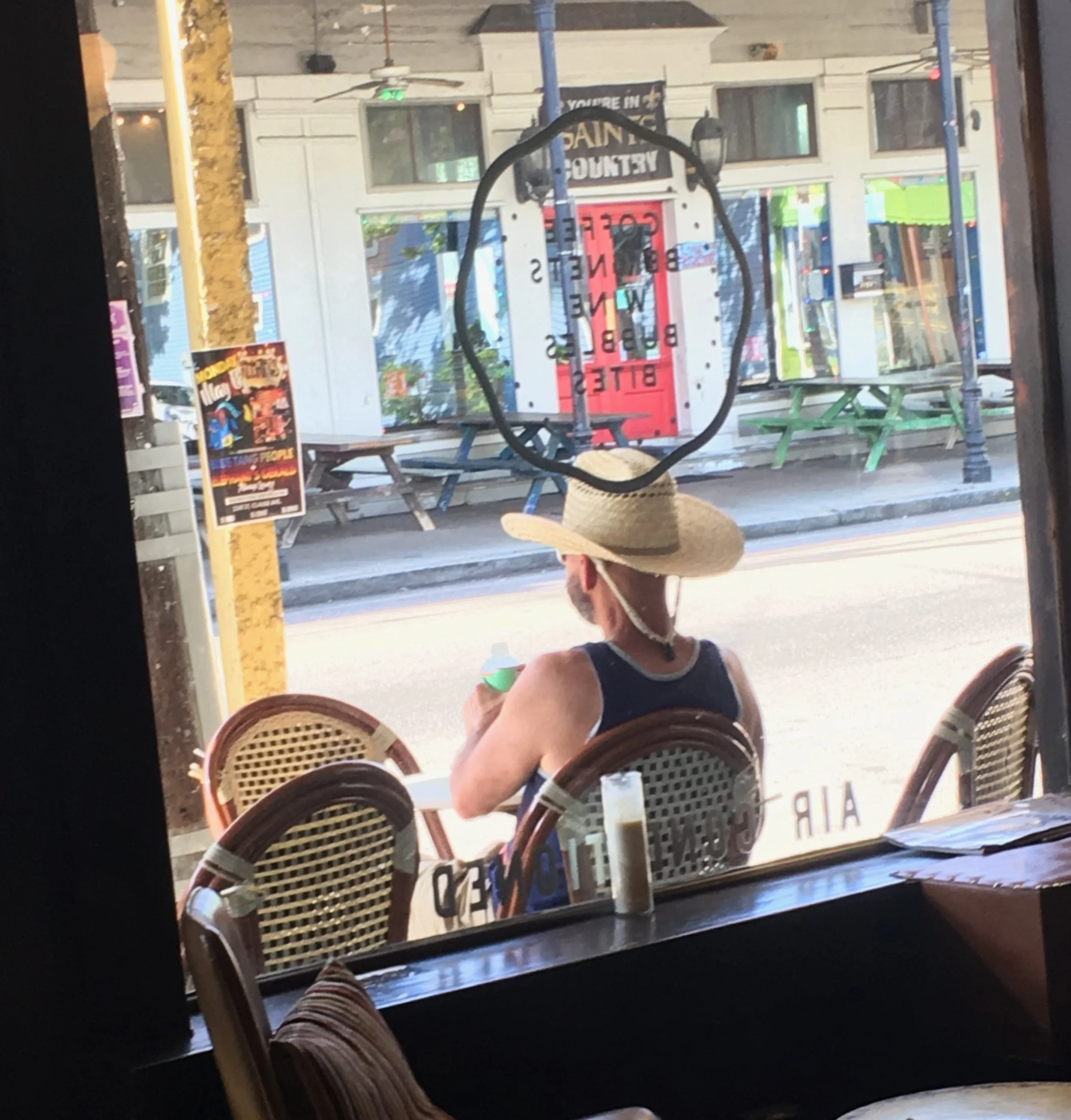
Paul with his morning coffee, Irish Channel, New Orleans, LA. Photo by Wendy Stieg
What Luxury Travel Taught Me
Luxury travel serves a purpose, and experiences people have within those boundaries are not better or worse; they are just not for everyone. Outside of cost, people can have very different ideas on how to travel. I would say that when you book directly with a travel agent, you are buying convenience, customer service, and certainly knowledge of the areas they sell. For many people, having a travel agent set your entire trip up brings you peace of mind. All travelers have different budgets.
But just spending money on something does not guarantee an entire experience. I also think about my own time traveling and realize that I am a risk taker. Sometimes places we have stayed in have turned out great, and other times we definitely could have done without those experiences. The cat-pee-smelling-garage that was pretending to be an Airbnb in San Diego comes to mind. But then sometimes finding a wonderful little three-star hotel in a small European town in an out-of-the-way part of the country can be just perfect. I understand how to navigate Airbnb better, and I also feel it necessary to address short-term rentals. It is often real people who earn a real living by owning and renting their Airbnb properties. In nearly every case, owners also live on the property. That is pretty common in Europe. In fact, we are seeing more and more properties being listed on places like Hotels.com even though they are directly competing with hotels. There are drawbacks to all types of lodging, but in the end, finding a place that helps create a wonderful memory is what we are after, as travelers.
Three of my favorite experiences involving different kinds of lodging include staying in an Airbnb in the Irish Channel District of New Orleans during Jazz Fest, staying at the Villa Marquez in Vila Real de Santo Antonio in Portugal, and staying at the Hotel d’Alcoutim in the town of Alcoutim, in the Algarve region of Portugal. What each place had in common was feeling like you were in the real parts of those places, gaining an understanding of what it might be like to live there, and getting to know real people who owned properties like this. I would not have traded any of those for a five-star hotel in Cannes. I will definitely be staying at three-star hotels in Europe again! So if meaningful travel isn't necessarily about spending the most money, where should we focus our budget?
Start With the Big Expense
Airfare IS the necessary evil. I don't mean that literally, although after spending seven months booking travel, I certainly have a few thoughts about airline boardrooms and their devotion to shareholders. But that's a discussion for another day. I encourage you to think through every step of travel, and airfare is often the biggest expense. Beyond cost, however, airfare is what makes modern travel possible for ordinary people. Think about the term jet set. Once jets were invented, wars were over, and the mid-century economic boom was in full swing, the real concept of jet-setting began to emerge. Never before in history had humans been able to move around the globe so quickly. Before commercial aviation, travel to another continent was an undertaking measured in weeks or months rather than hours, and for many people it simply wasn't possible. As is often the case with technology, however, air travel gradually became more accessible and opened parts of the world to ordinary travelers.
Airfare matters because you can still get from Los Angeles to Barcelona in about 11.5 hours. That is hard to imagine when you compare it to the journeys of early explorers crossing oceans and continents. The good news is that flexibility creates opportunities, even today with rising costs, inflation, and financial constraints. So if you are not made of money, how can you trim the costs on your dream trip? There are a lot of options out there, including taking advantage of shoulder season travel, open-jaw and multi-city possibilities, where you arrive in one city and leave to return home from another. This gives you the advantage of not having to backtrack. Sometimes backtracking is worth it, and sometimes it is not. But you have options. It's a great idea to review my article on finding affordable airfare for people new to booking their own travel, How to Find Affordable Airfare, and using my personally created airfare planner can help you create and stick to a strategy while planning air.
Lodging: Choose the Experience You Want
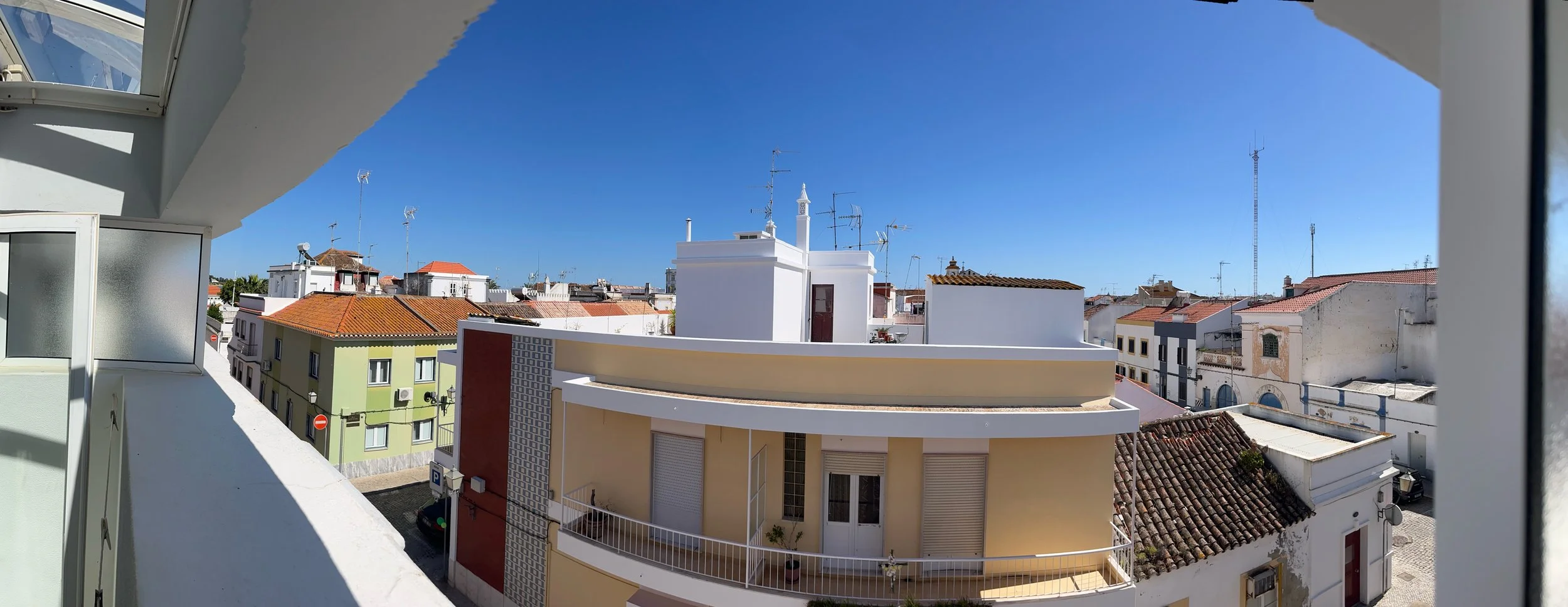
View from my terrace window. Villa Marquez, Vila Real de Santo Antonio, Algarve. Photo by Wendy Stieg
Lodging will shape the experience you have when you travel. Here, too, you have a lot of options. My focus is on travel for everyday people who don’t have massive travel budgets. Keep in mind that you have plenty of options available to you, Finding Lodging: Part 1 and Finding Lodging: Part Two dive into different kinds of lodging and how to narrow your choices for your trip. As I think back to my own travels, and as I reflect on seven months of booking luxury vacations, I realize that lodging is less about the building itself and more about the experience it creates. A luxury resort, a small independent hotel, a guesthouse, a vacation rental, or even a campervan can all be the right choice depending on the kind of trip you want to have. The question isn't simply where you'll sleep. The question is how you want to experience a destination.
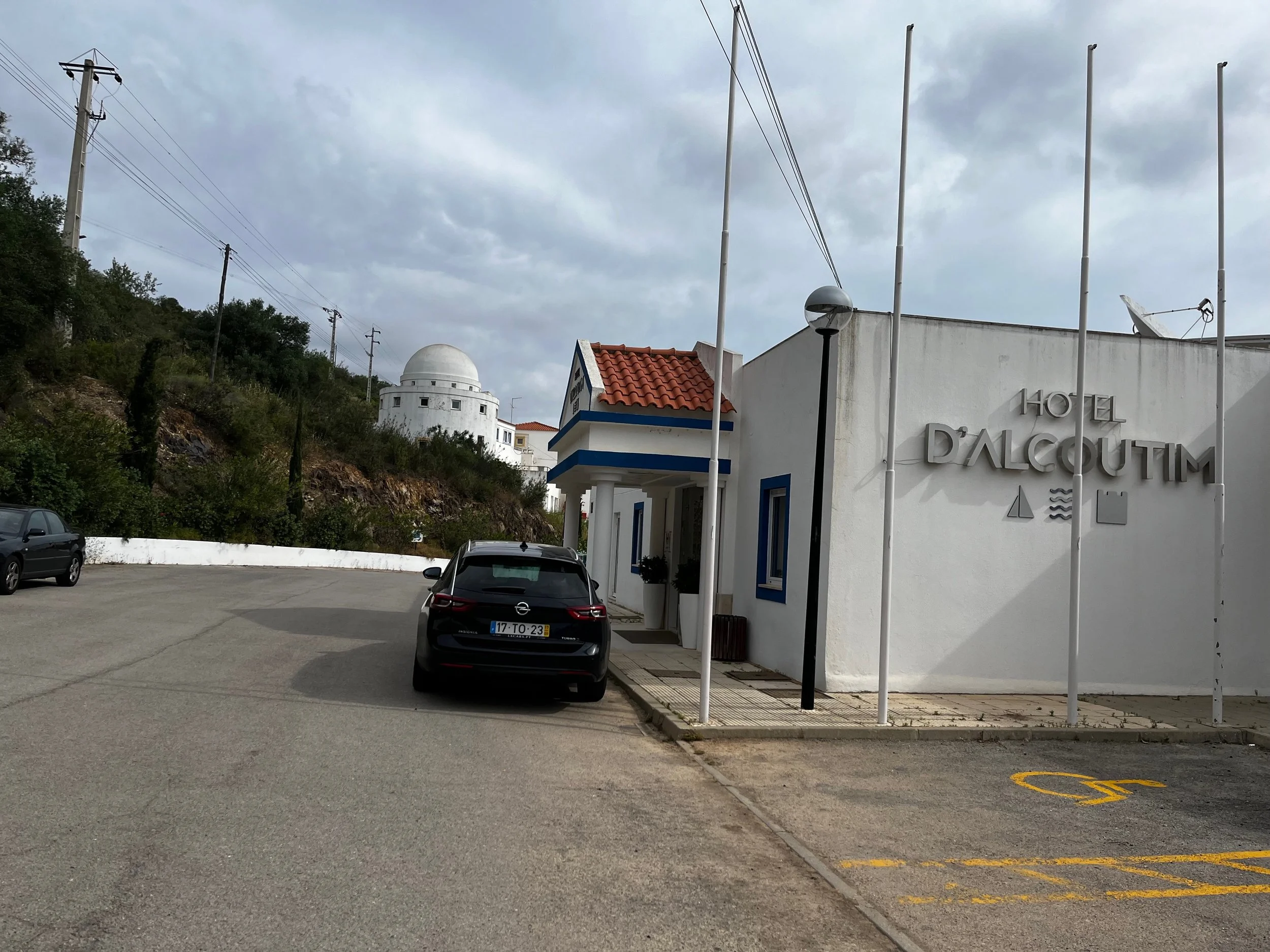
Hotel d’Alcoutim, Alcoutim, Algarve, Portugal. Photo by Wendy Stieg
My three favorite places to stay were an Airbnb in a converted shotgun shack in the Irish Channel in New Orleans, Hotel d’Alcoutim in Alcoutim, Portugal, and Villa Marquez in Vila Real de Santo Antonio in the Algarve, Portugal. Each had some similar features: Each was found in a neighborhood, each had a strong sense of place, and each was a revitalized but old and slightly weathered building with beautiful features.
Each property allowed us to experience something unique about the area. The cute little shotgun shack in the Irish Channel was located in an area where we could walk to coffee in the morning, allowing us to sample hot, delicious New Orleans coffee. The Hotel d’Alcoutim was situated right on the Guadiana River, where you can see Spain right across the river, with a castle perched on the hilltop. Villa Marquez was almost like being home; I was there when the power went out across the entire Iberian Peninsula. I ended up walking downtown to try to find a sandwich and a glass of wine, which was hard to find when the power had been off for hours. It almost felt like a party, as I was invited to hang out with the restaurant crew I had met the night before. I turned them down respectfully and returned to Villa Marquez, where one of the owners asked me about my scouting trip and where I found food and wine. It has a strong sense of belonging that was quite enjoyable. Each of these experiences will stay with me forever.
What I remember most is not the size of the room, the thread count of the sheets, or the amenities. I remember the people, the neighborhoods, and the unexpected moments that came from staying in places connected to the communities around them. For me, that is often what turns a trip into a memory.
Local Transportation Shapes the Trip
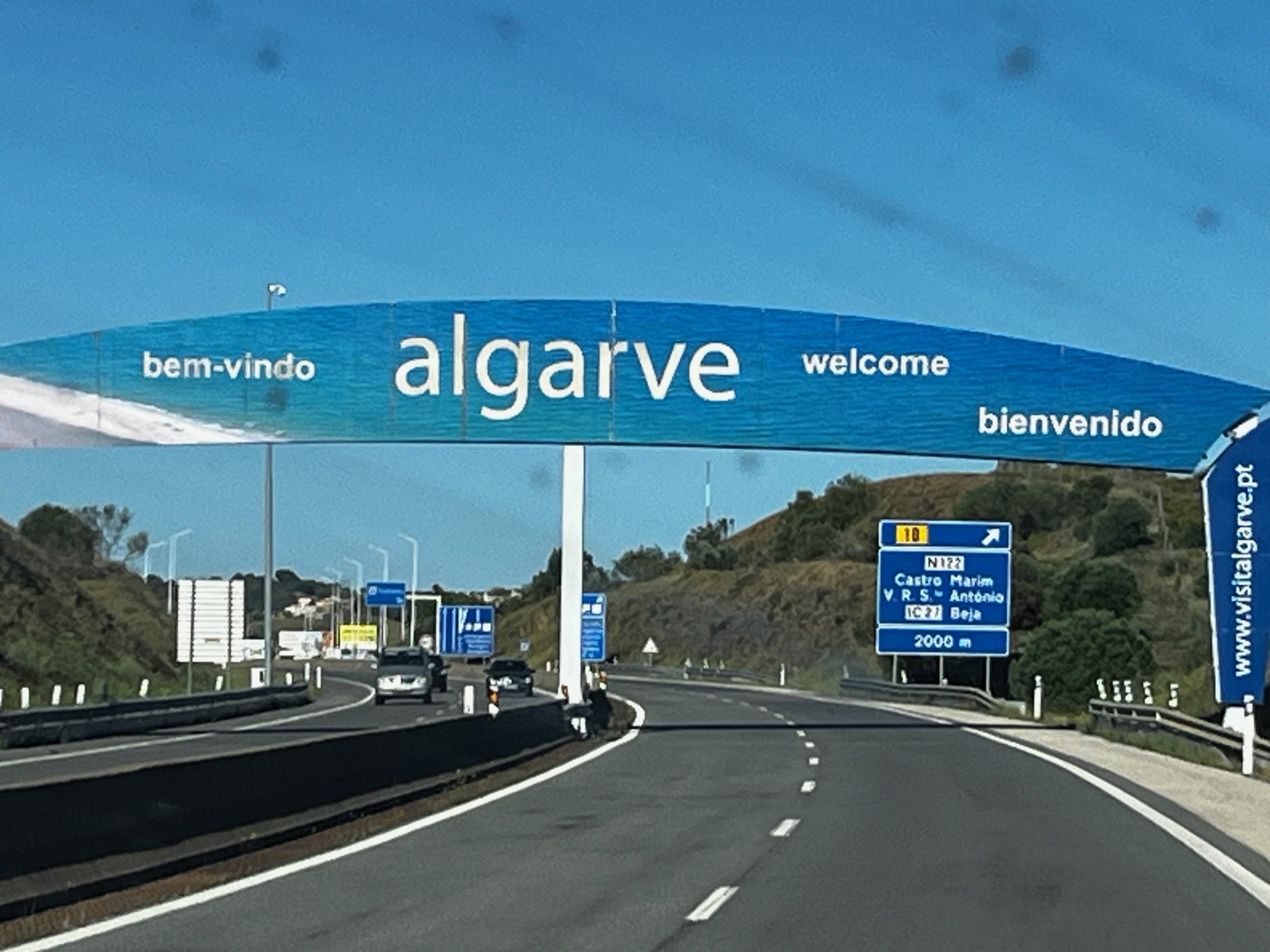
Driving into Portugal from Andalusia, Spain. Photo by Wendy Stieg
Just as lodging influences the experience you have, transportation does as well. How you move through a destination can shape what you see, where you go, and even how connected you feel to a place. If you follow me, knowing that my favorite mode of transportation is actually walking shouldn’t surprise you. It is the best way to completely immerse yourself in your environment. I wrote passionately about this in Walking Lisbon.
One thing I noticed while booking luxury travel was that transportation was often arranged from beginning to end. Drivers met guests at airports, transferred them between hotels, and delivered them directly to excursions and activities. For many travelers, that level of convenience is exactly what they want. It also creates a very different travel experience than navigating a destination on your own. When transportation is arranged for you, there is often less uncertainty, but there may also be fewer opportunities for spontaneous discoveries along the way. I love taking public transportation. It is affordable, there are several different options, and it definitely shapes the trip.
I tend to travel differently. In Spain and Portugal, we found that having a rental car gave us the freedom to explore small towns, stop when something caught our attention, and change plans along the way. That doesn't mean a rental car is always the best choice. Spain's high-speed rail system is excellent, and many European destinations are easy to navigate by train, bus, ferry, or even on foot. The key is understanding that transportation is not just a way to get from one place to another. It becomes part of the experience itself. Different destinations call for different approaches. Some cities are best explored on foot or by public transportation, while others become much more accessible with a rental car.
The Real Luxury
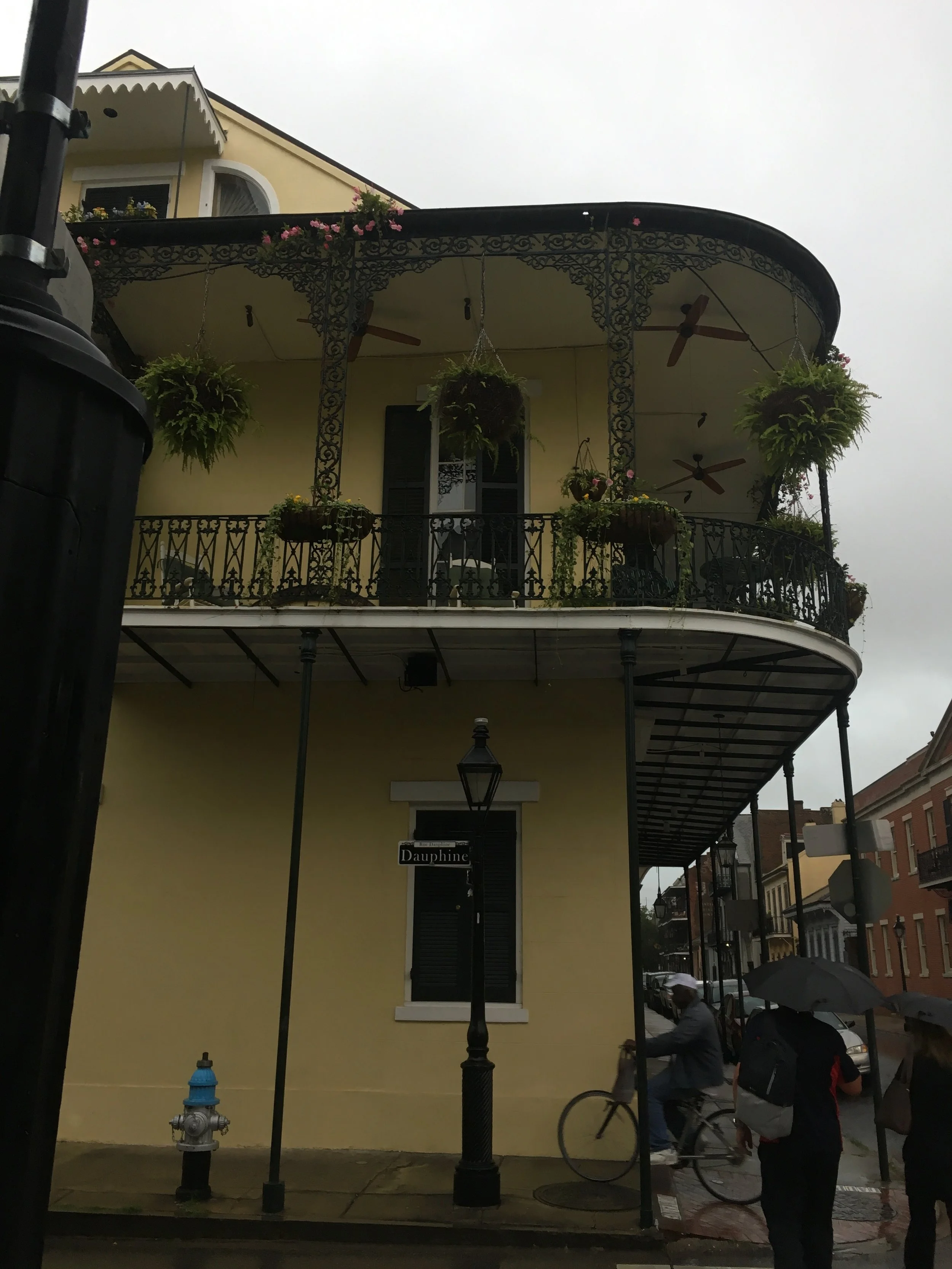
The French Quarter, New Orleans, LA. Photo by Wendy Stieg
After seven months selling luxury travel, I expected to come away with a greater appreciation for luxury. Instead, I came away with a greater appreciation for intentionality. Luxury travel can be wonderful. So can a guesthouse, a rental car, a neighborhood café, and an afternoon spent wandering a place you never expected to visit. The question is not how much money you spend. The question is what kind of experience you hope to have.
One of my favorite hotel stays was in Alcoutim, Portugal. We had a beautiful room overlooking the Guadiana River, which forms the border between Portugal and Spain. It felt luxurious, peaceful, and deeply connected to the place we were visiting. It also cost a fraction of what a comparable experience might have cost in a major tourist destination. That was surprising. Almost as surprising as discovering that staying in a renovated shotgun shack in New Orleans' Irish Channel felt far more meaningful to me than staying in a luxury hotel in the French Quarter.
Experiences like that reminded me that value and luxury are not always the same thing. Sometimes luxury is a river view, a quiet town, and a glass of wine on a balcony. Sometimes it has very little to do with five-star ratings. Sometimes it is simply being exactly where you want to be.
