Meals Series, Part 2: Designing a Food Strategy That Travels Well
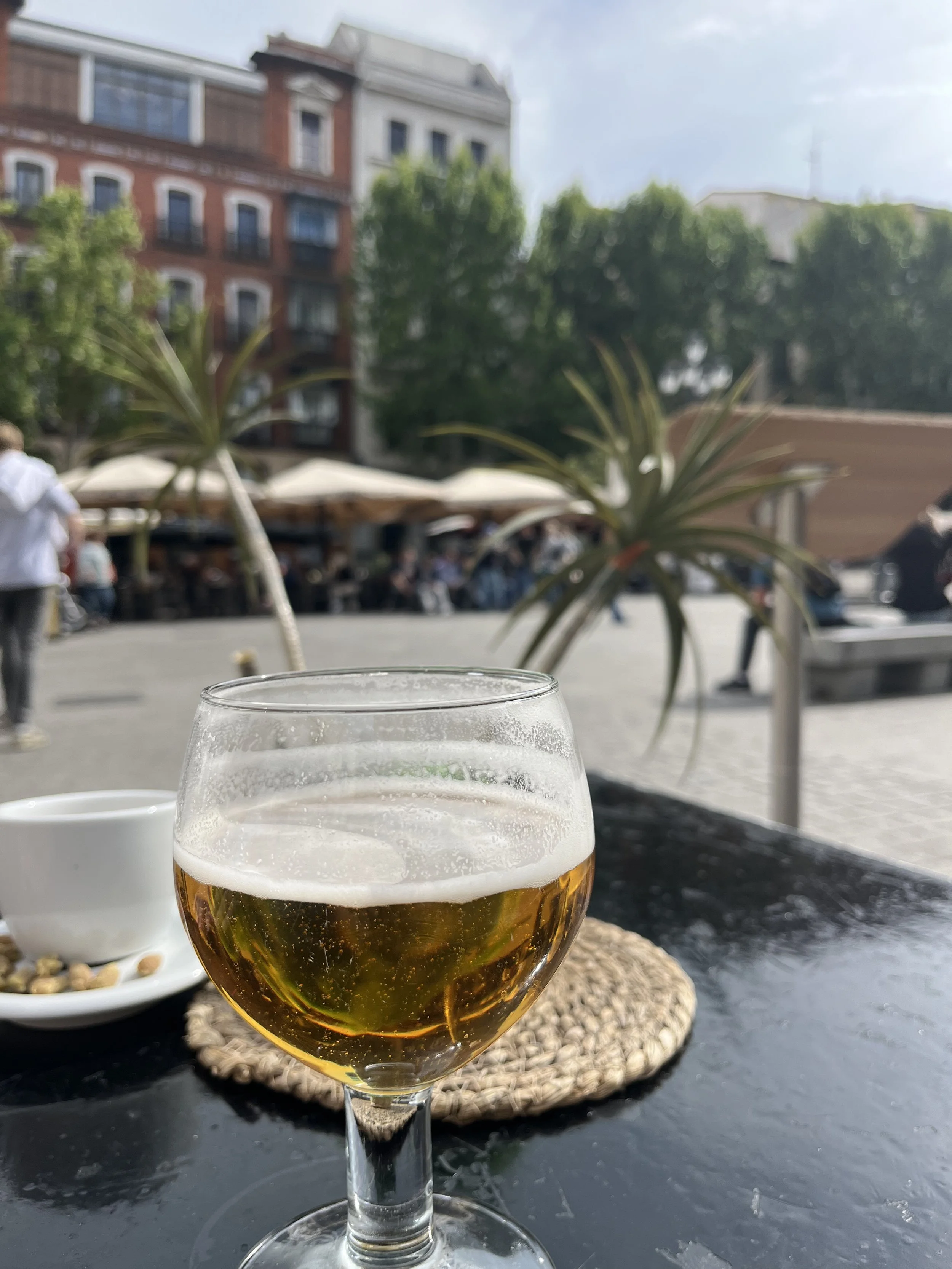
Lunch in Madrid, Spain. Photo by Paul Lampe
Geography, timing, budgeting, and leaving room for discovery
For those of you who have followed me along this journey, this experiment that is life, you may recall that I have a guilty pleasure of watching Escape to the Chateau. My guilty pleasure extends to any European renovation show, especially anything related to castles and old stone houses. I also have a deep love of travel, food, and designing my own homes. Equally as fun for me is my second favorite guilty pleasure, Emily in Paris. What I love most about Lily Collins’ character, Emily, is how wonderfully imperfect she is. All of this makes me think about what is next in my life and what I have learned. I recently wrote about orienting yourself and grounding what matters in Part 1 of this Meals series. How you think about food shapes how you experience it, whether dining or at home. I bring up Emily in Paris because there is a scene at the end of Season 4 where she experiences food the way Italians experience it.
The Chateau Fights Back reminds us of ways to stay grounded when difficulties arise during your trip.
Before getting into how to plan a trip and intentionally weave food into your itinerary, I want to ground us again in the idea that food is more than sustenance. Last week’s article, Meals Series, Part 1: How to Think About Food When Planning a Trip, explores the mindset behind how we approach food while traveling. Breathing, drinking water, eating, sleeping, and spending time with the people we love are all forms of nourishment. I think about the years I raised my two children as a single mom, often standing up for all three meals most days. It was not occasional. It was constant. I sometimes wondered whether that was even healthy. Of course it was not. But when you are working three jobs and raising two kids alone, you cut corners where you can. When I look back on that season, I also think of that scene in Emily in Paris where an entire town gathers to celebrate someone over a shared meal. I think of the Sunday midday lunch Paul and I were once invited to join, and how deeply welcome that felt. Food, water, rest, time with family and friends. What a contrast that is to what has become an acceptable way of life in the United States.
This is the orientation we may need now because life pushes us around more than it should. Especially when we are traveling, when we are giving our souls rest and space for new ideas. If food is meant to be enjoyed slowly and savored, then allowing ourselves to have meals that are savored, slow, and intentional is one of the most important things. When we expect to enjoy our meals, we set them up so they match our natural cadence.
From Orientation to Design
Our way of planning asks that food become a natural part of your overall experience. It should feel seamless rather than forced or overplanned. You do not need reservations every night or a rigid meal schedule, but you do need a simple framework so meals support the timing and flow of your days instead of controlling them. Paul and I design our own itineraries. We are not heavy planners, but we always understand the geography before we land. We know which neighborhoods we will spend time in, where markets are located, and how easily we can access food. On our first trip to Portugal, we learned to lighten breakfast to an orange, a pastry, and a triple latte. Lunch often came from a market with olives, local cheese, rustic bread, and sometimes wine. Dinner was where we lingered and chose carefully, often starting with an excellent wine list. That is the spirit behind this approach. Informed but relaxed. Structured enough to remove friction. Flexible enough to leave room for discovery.
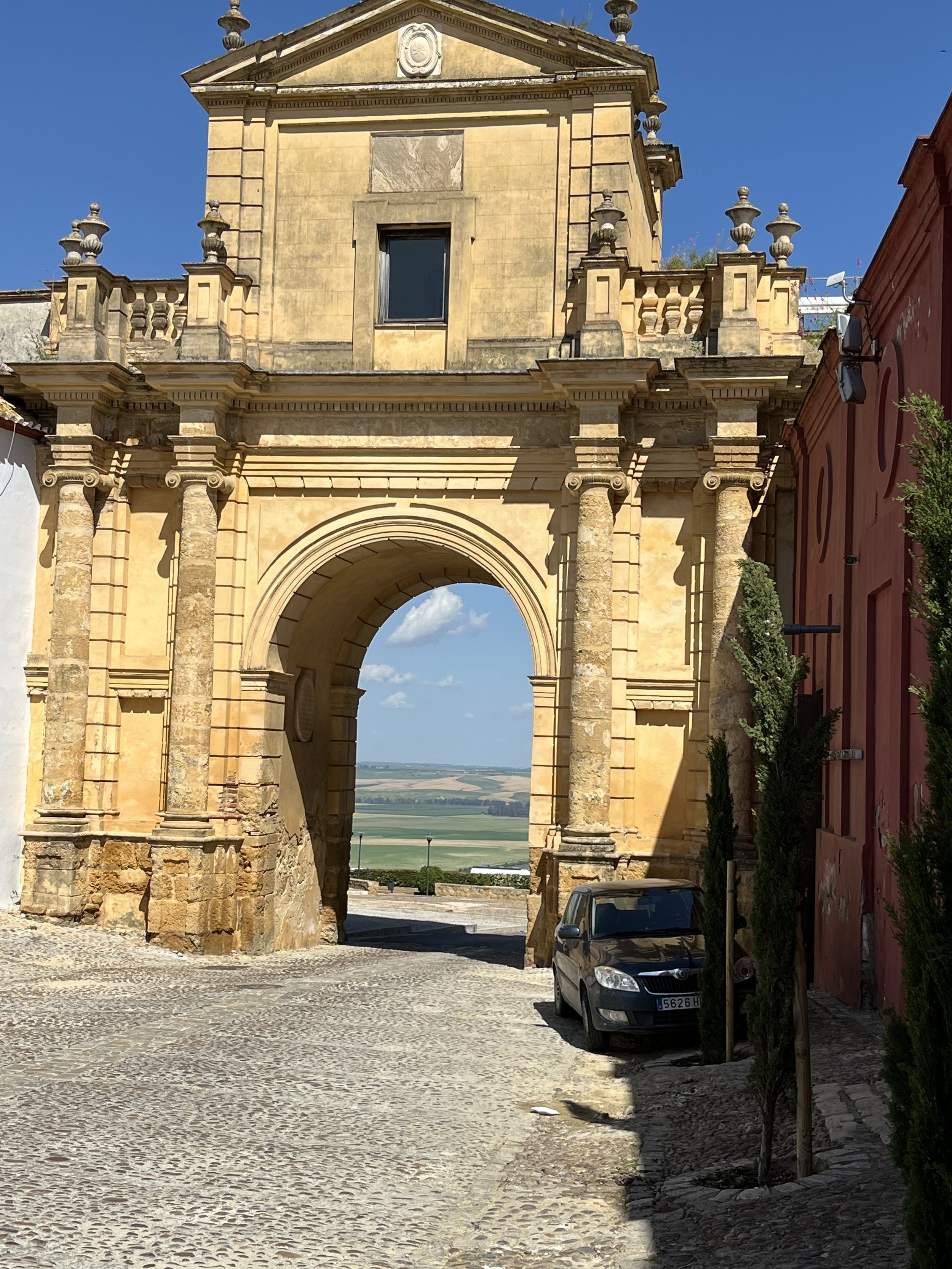
Carmona Arch. Photo by Paul Lampe
Step 1: Understand Your Geographic Area
Start by understanding the neighborhood where you will be staying. Be prepared to step outside of your typical go-to so that you can find something wonderful. Start with a practical roadmap: Identify two to three neighborhoods where you will spend most of your time. Notice what each area is like. Is it residential? A tourist corridor? More businesses? Also, check how close it is to your lodging. Look for local markets, bakeries, and cafes within walking distance. What you don’t need is a list of 25 restaurants. Instead, have a clear understanding of the landscape.
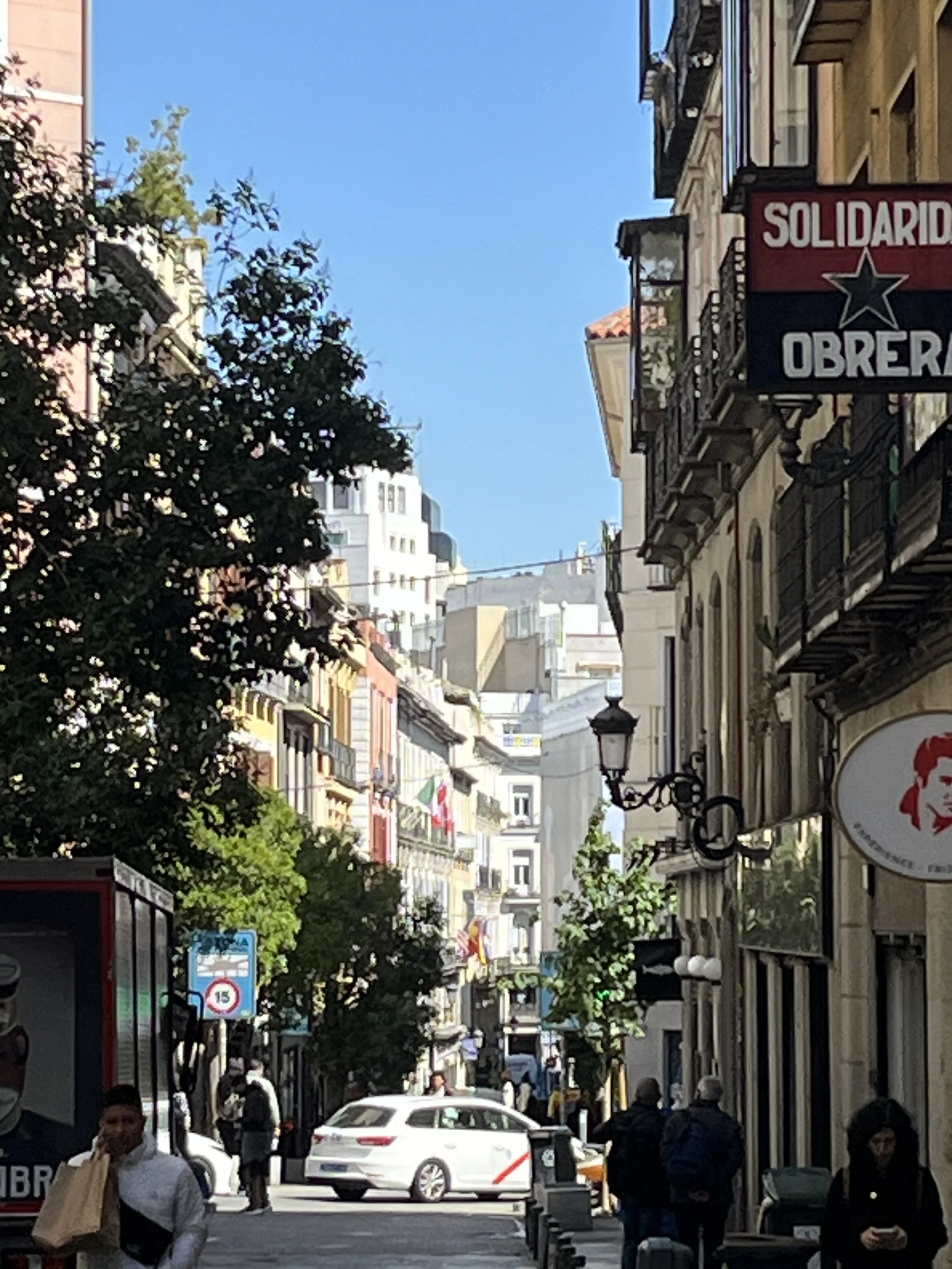
Madrid, Spain. Photo by Paul Lampe
Step 2: Learn Local Timing Before You Book Anything
Timing matters on a couple of fronts. Paul always jokes about being the Seinfeld Parents, as in Jerry Seinfeld’s parents go to eat dinner at 4 pm, hoping to be the first to get a table. It is funny when you imagine us showing up to eat dinner in a Spanish restaurant and no one is even at work yet. The Spanish eat dinner around 10 pm. Yes, they have tables starting at 5 pm, but dare yourself to live like a local, enjoying dinner and good conversation later in the night. Sleep in, and don’t worry about breakfast the next day. That cafe you found is right around the corner. Other things to think about are: is it a national holiday? What time are restaurants actually open? What is up with Sundays? Knowing the answers to these and other questions helps you have less friction during your trip, in order to truly enjoy your meals.
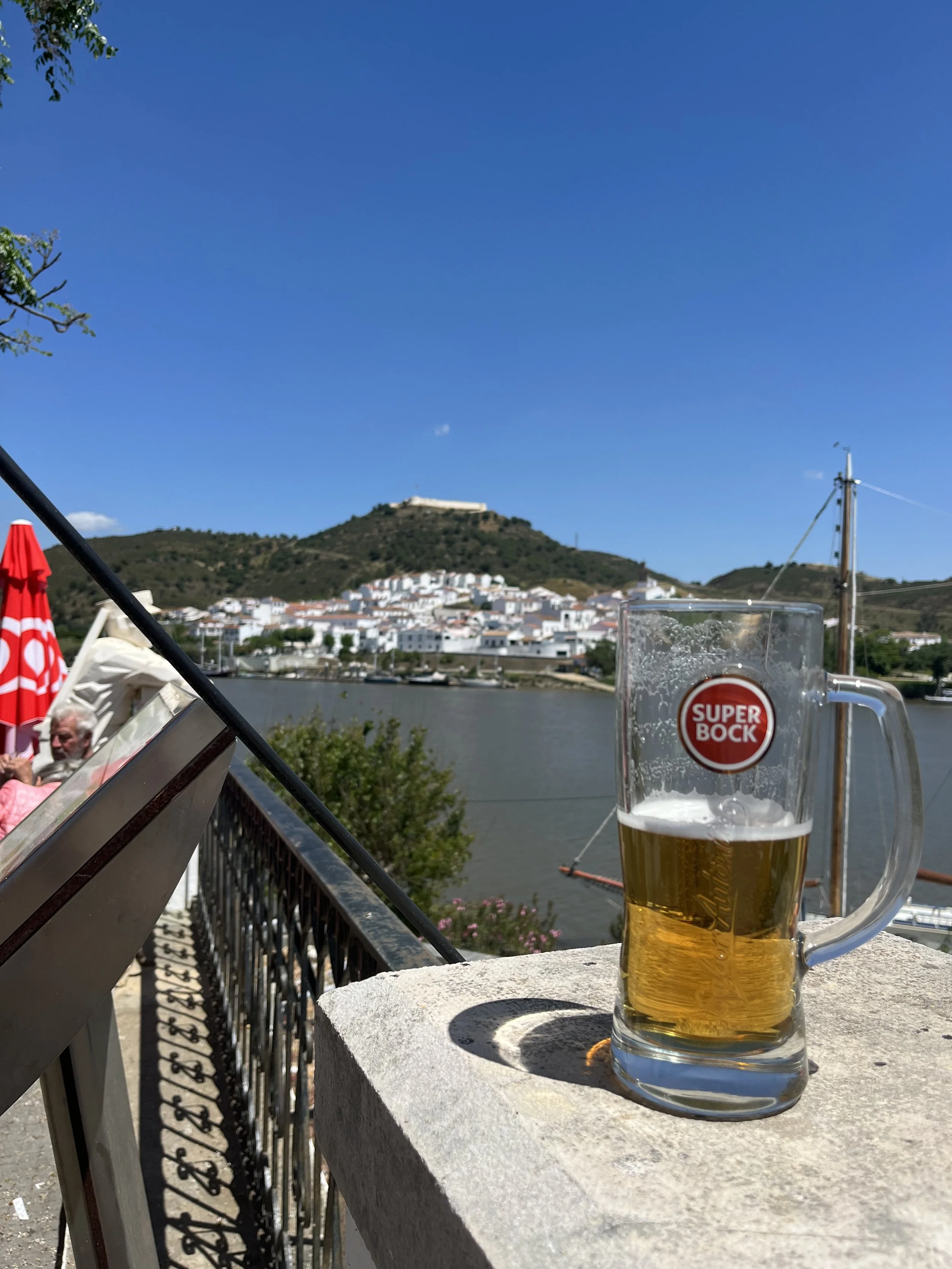
Outdoor cáfe in Alcoutim, Portugal. Photo by Paul Lampe
Step 3: Consider an Anchor Meal
Downplay breakfast and/or lunch, and focus on more structure for dinner. Knowing your neighborhood means those first two meals are pretty easy. You can also hit the local village market and have a few things on hand if you tend to wake up hungry. Pick one or two great restaurants for dinner, and allow some freedom for the rest. I found it to be helpful to create a meal planner for myself so I can estimate costs but not get overly plan-heavy. Bon Voyage Series is a set of travel planners and individual planners for purchase, helping to support my work. .
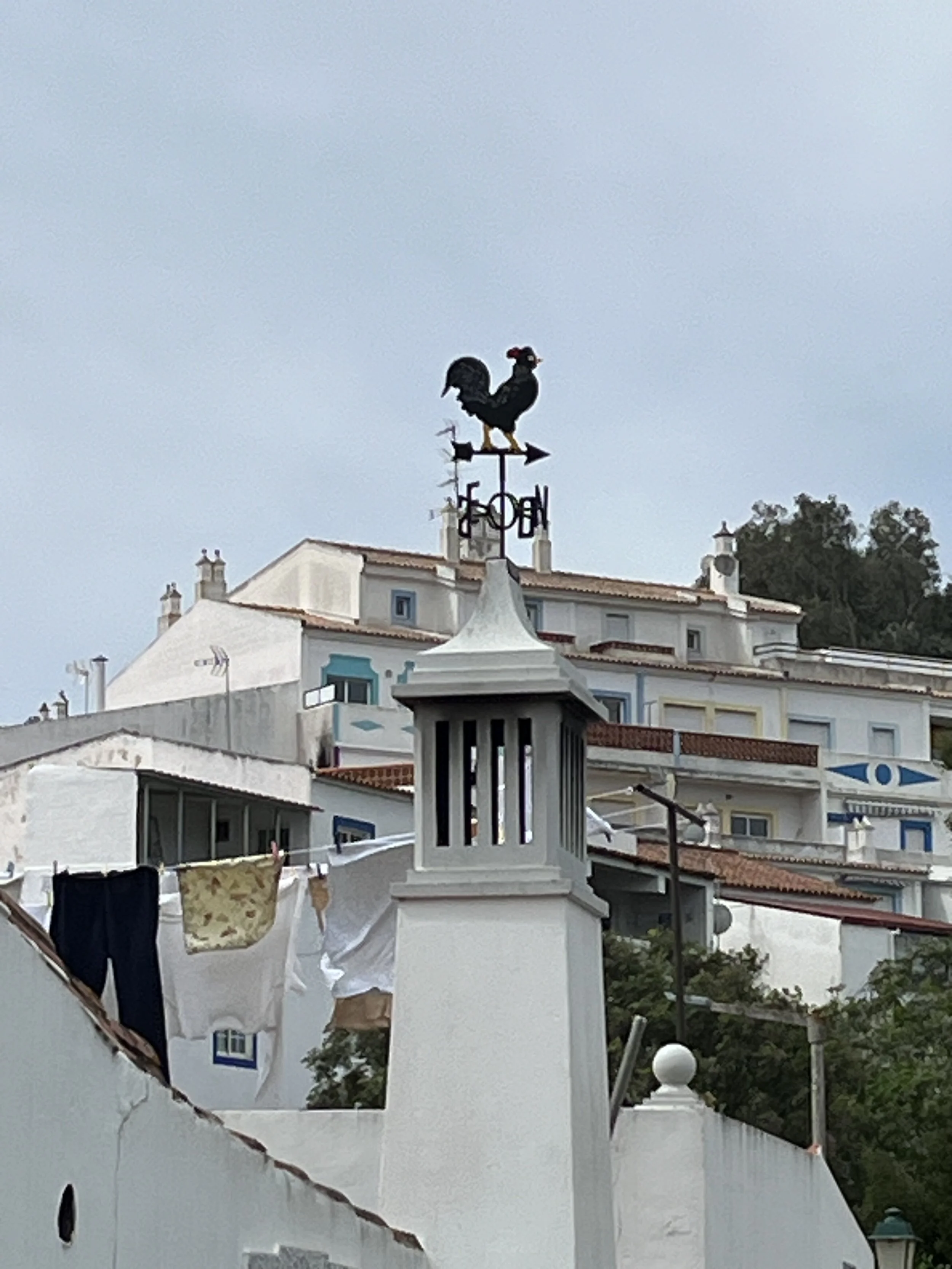
Alcoutim Rooftops. Photo by Paul Lampe
Step 4: Budget with Intention
If you are not spending mental energy chasing breakfast and lunch, you can be more deliberate about dinner. For many trips, dinner becomes the splurge, perhaps one thoughtful reservation with a strong wine list and a longer evening. Other times, Paul and I prefer a larger lunch and a lighter dinner, which frees up the evening and usually costs less. The point is to decide this in advance. Choose where you want to spend and where you want to keep it simple. Markets, bakeries, cafés, and casual neighborhood spots balance the overall budget while still offering excellent regional food, often at a fraction of the cost of formal dining. A market lunch of fresh bread, local cheese, olives, and fruit can feel abundant without straining your budget, and café culture can anchor your mornings without turning breakfast into a production. When you know your preferences and sketch out a rough spending plan before you arrive, food stops feeling financially unpredictable. Most stress around meals comes from money uncertainty or lack of direction, not from a shortage of good restaurants.
The way I handle budgeting is practical. I look up the neighborhoods where we will spend time, choose a few restaurants and cafés in each area, and read the menus ahead of time. This tells me far more than reviews alone. If the menu is in another language, I use a translator like DeepL and copy and paste items so I understand what is actually being served. As the trip approaches, I check the Wise App to see the current exchange rate, so I have a realistic sense of what those prices mean in real dollars. When you combine menu research, neighborhood awareness, and exchange rate clarity, you remove financial guesswork and can decide in advance where to spend, where to keep it simple, and where you are comfortable pivoting.
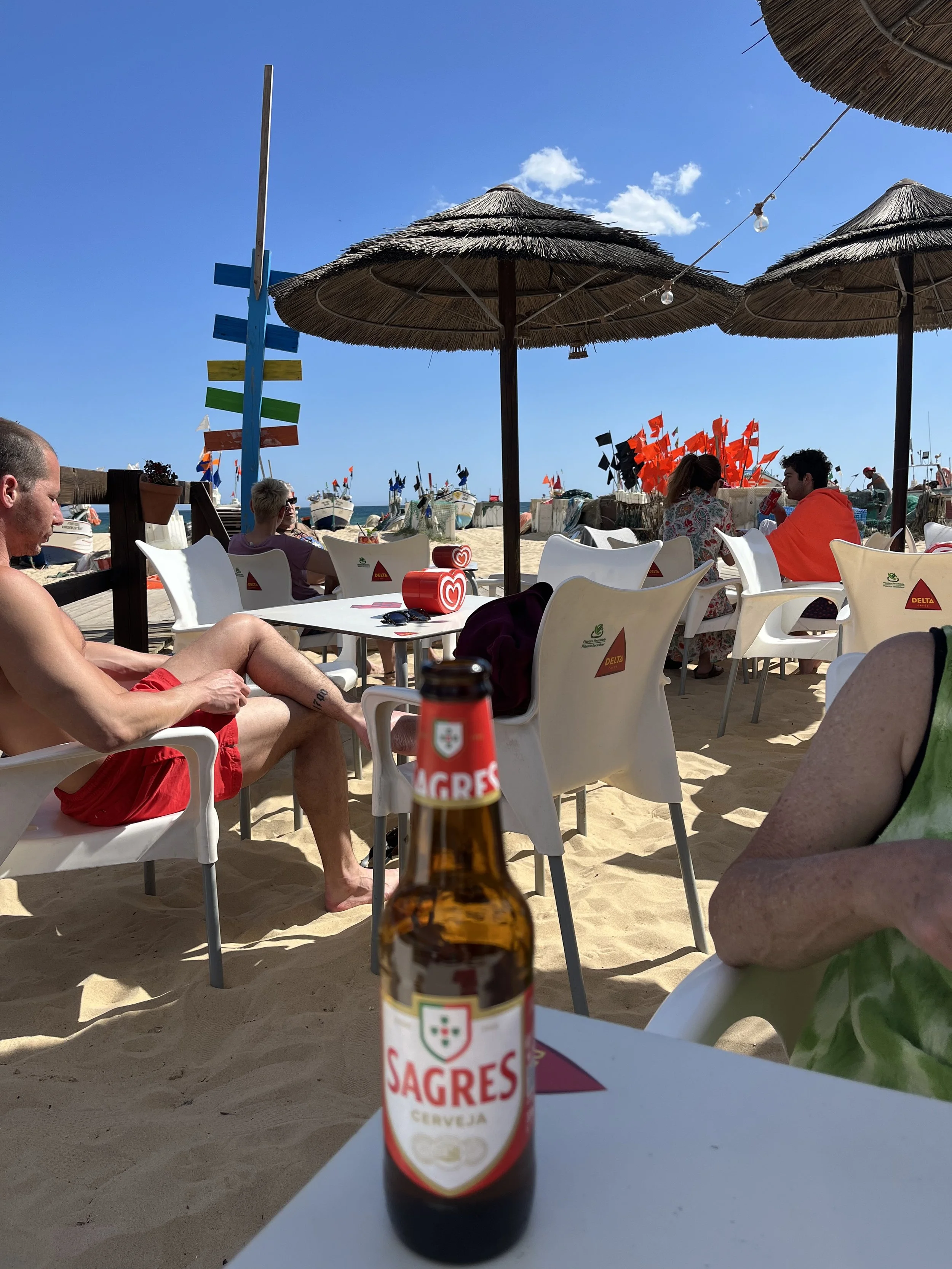
Monte Gordo Beach Cáfe. By Paul Lampe
And Finally: Leave Space for Discovery
Leave space for discovery. I think back to that village meal, an entire town gathered around a table, and I am reminded that the best experiences are rarely the ones you planned most carefully. If something unexpected appears, pivot. If someone invites you to join them, say yes. If you walk past a small place that feels right, go in. The best meals are rarely the ones you researched hardest. You do not need forty saved restaurants, a reservation every night, or a spreadsheet for every meal. You need a sense of place, awareness of timing, one or two anchors, a clear budget, and room for the day to flow naturally. When the basic structure is in place, food stops being a logistical problem and becomes what it was always meant to be, nourishment, connection, and joy.
If this has you thinking about your next trip, How to Know When You’re Ready to Book a Trip may help you decide when the timing is right.
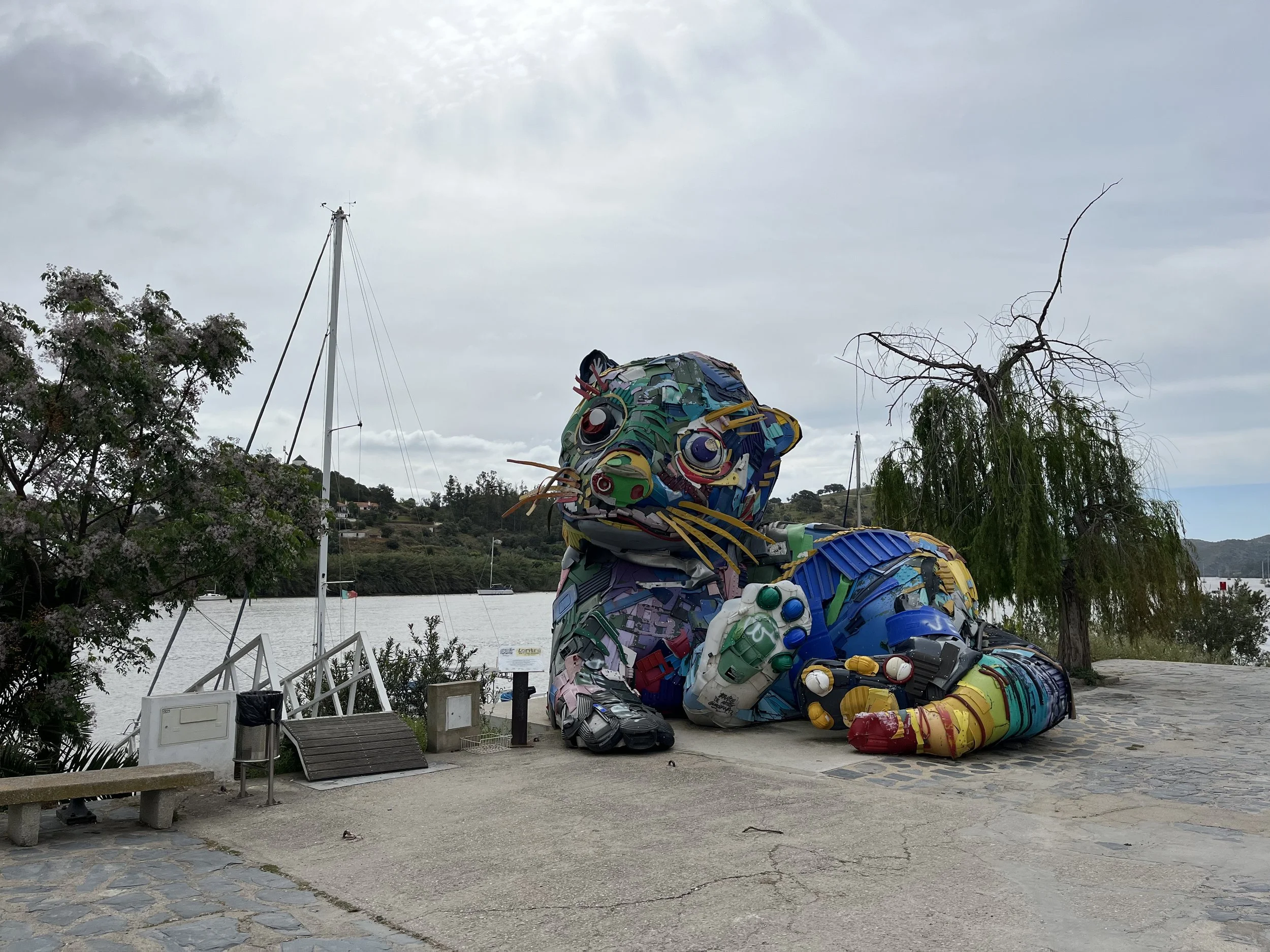
“Lontra,” which means “otter,” from artist Artur Bordalo’s “Big Trash Animals Series,” in Alcolutim, Portugal. Photo by Paul Lampe