
Why Can I Eat Bread in Europe But Not in the United States?
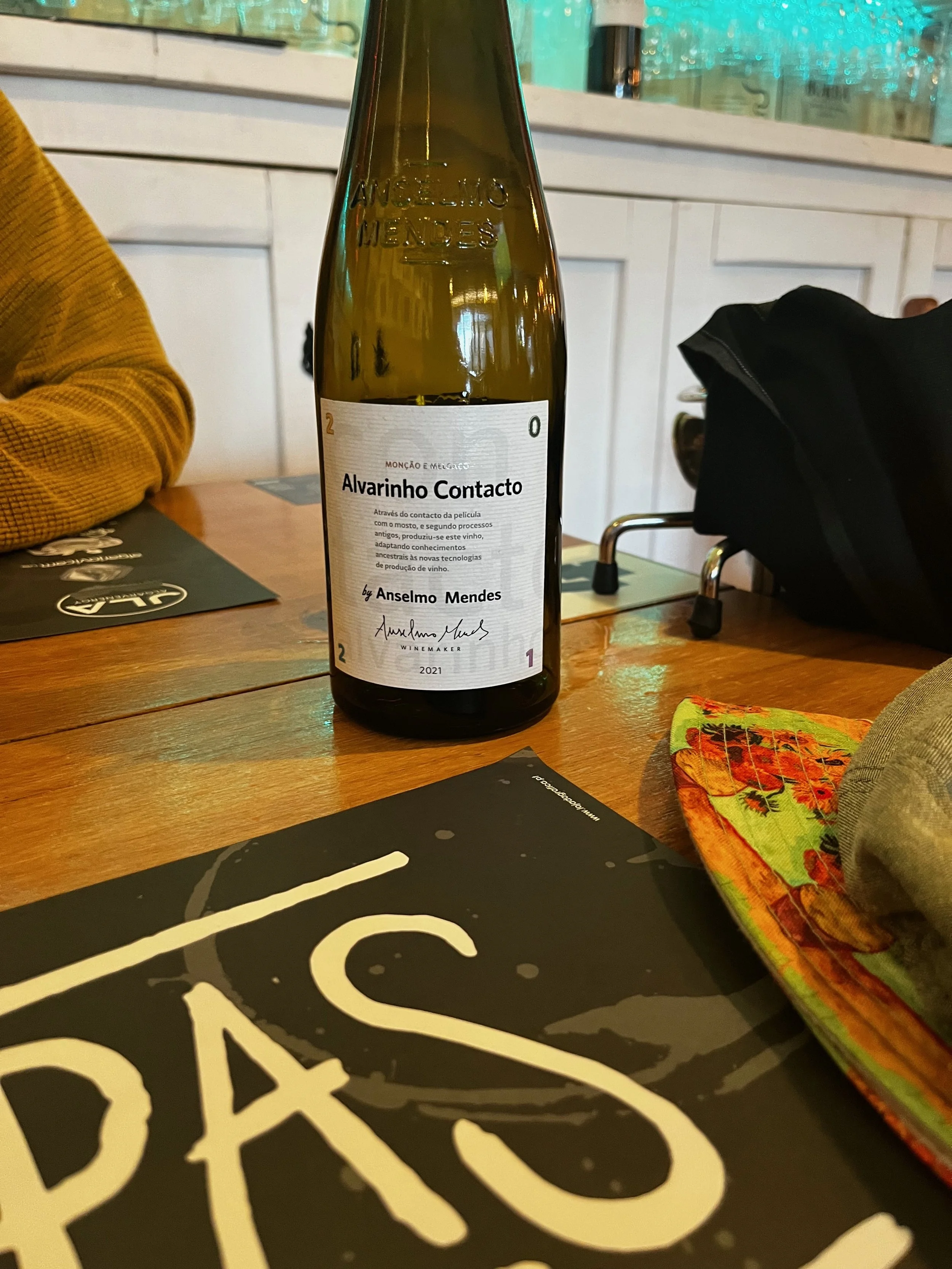
Wine with Dinner, Portimão, Portugal Photo by Wendy Stieg
The Puzzle Many Travelers Notice
Many travelers report that foods that cause digestive issues at home, especially bread, pasta, and dairy, seem easier to tolerate when traveling in parts of Europe. For me, this raises a natural question: Why does the same food feel different depending on where you eat it? Or better, what could be different about bread, dairy, and other foods in Europe compared to the U.S.? I have these questions because of my personal experience with different foods. I also do what I can to eat as healthily as I can. It has been a combination of personal experiences and the desire for longevity that sparked my curiosity about the role of food in your health.
If you're interested in thinking more intentionally about food while traveling, you might also find these two articles helpful: Meals Series Part 1 and Meals Series Part 2: Designing a Food Strategy That Travels Well.
My Experience With Gluten and Dairy Sensitivities
For more than twenty years, I’ve taken food seriously because of how directly it affects my health. Paul and I follow a largely whole-foods, plant-based diet, though we do occasionally eat locally sourced seafood. Most of what we eat is prepared at home, and I make many things from scratch, including sauces, dressings, mayonnaise, and sometimes even plant-based milk. Food is meant to be enjoyed with people, and it’s not something I feel the need to be perfect about. But over time, I began noticing that certain foods consistently caused problems for me.
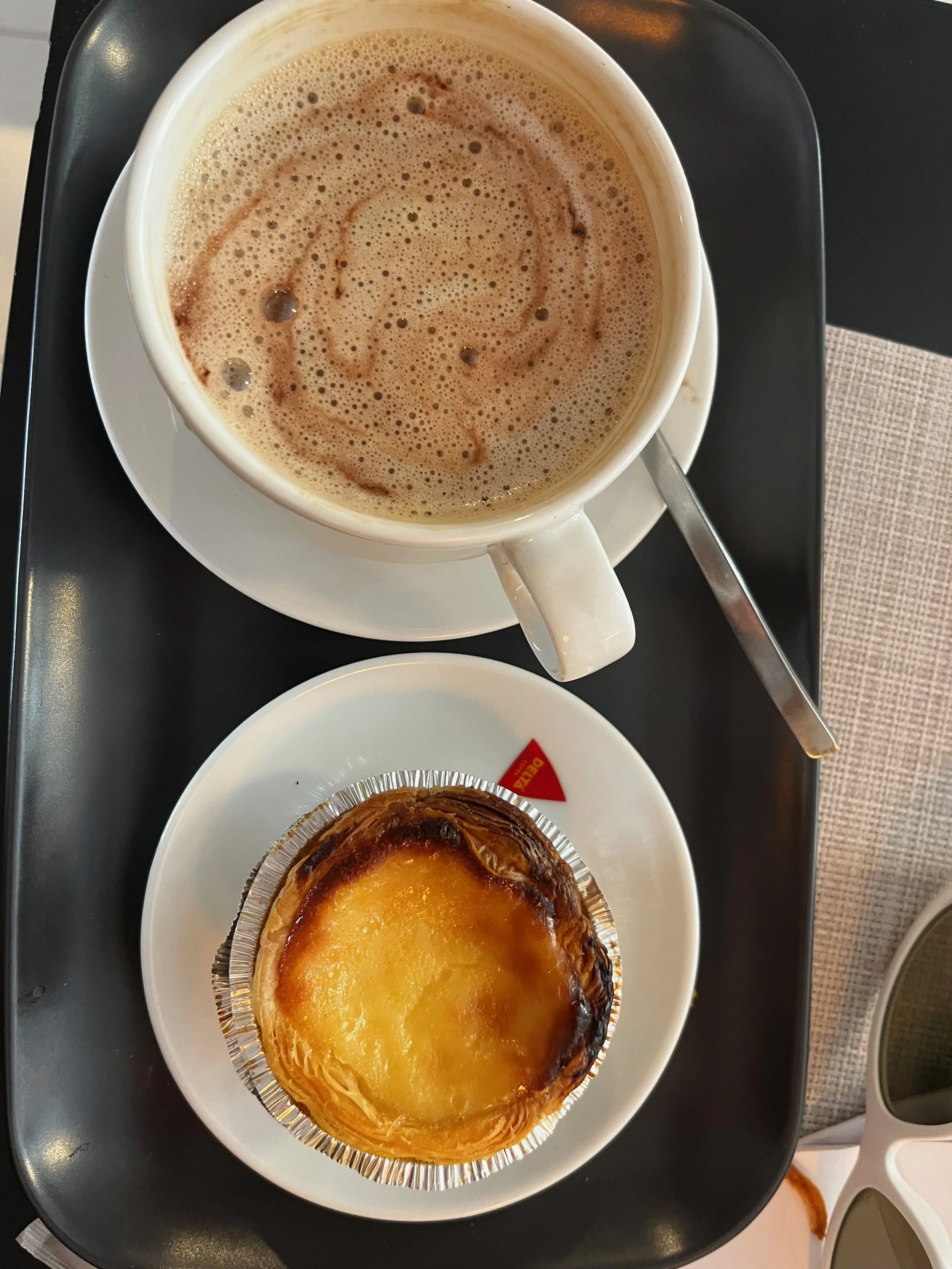
A Galão and a Pastel de Nata, Algarve, Portugal Photo by Wendy Stieg
I began to notice that whenever I ate wheat products in the United States, bread, pasta, pastries, cereal, tortillas, beer, and other baked goods, I always ended up with a painful stomachache that lasted for several days. Dairy has caused similar issues for most of my life. What surprised me most was discovering that when I travel in Europe, I can eat those same foods without any symptoms. Bread, pasta, pastries, beer, and even dairy products like milk in a latte don’t cause the same reaction.
Yet when I return to the United States, the stomach aches return unless I carefully avoid wheat and dairy.
Why Food May Feel Different in Europe
Many travelers report noticing the same pattern when they spend time in Europe. Bread and dairy are the foods mentioned most often. While there is no single explanation, researchers and nutrition experts often point to several differences that may influence how these foods are produced and prepared. Wheat varieties, agricultural practices, flour processing, and bread fermentation methods can vary between regions. Traditional sourdough fermentation, which is still common in many European breads, allows dough to ferment longer and can change how gluten and other proteins break down during baking.
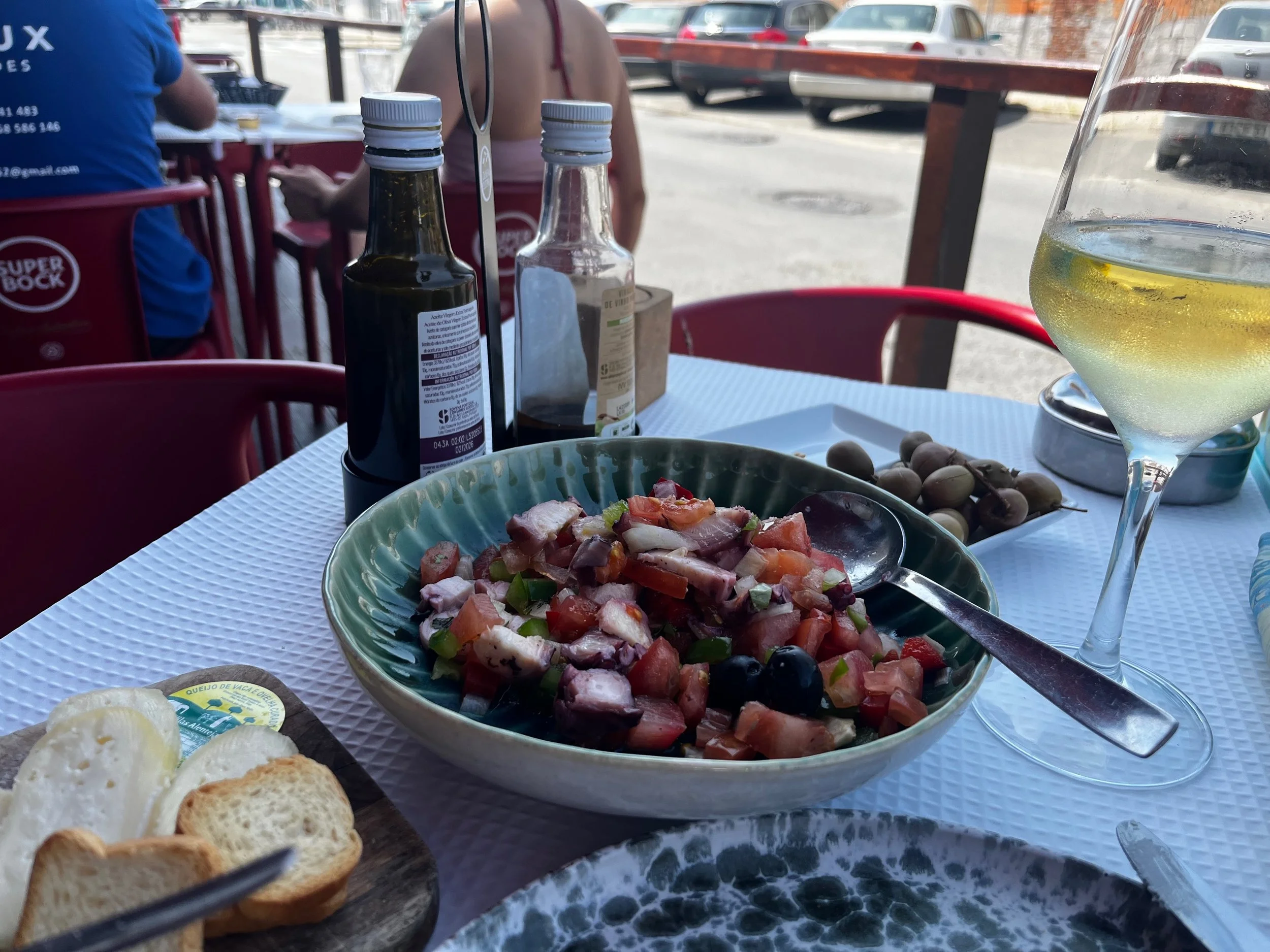
Tuna Salad, Portuguese-style! Photo by Wendy Stieg
Dairy production can differ as well, including variations in milk proteins, fermentation in foods like yogurt and cheese, and regional processing practices. Additionally, many people question differences in agricultural practices and government regulations when comparing Europe to the United States. For us, we only eat food that is certified organic, paying special attention to genetically modified foods and avoiding them entirely.
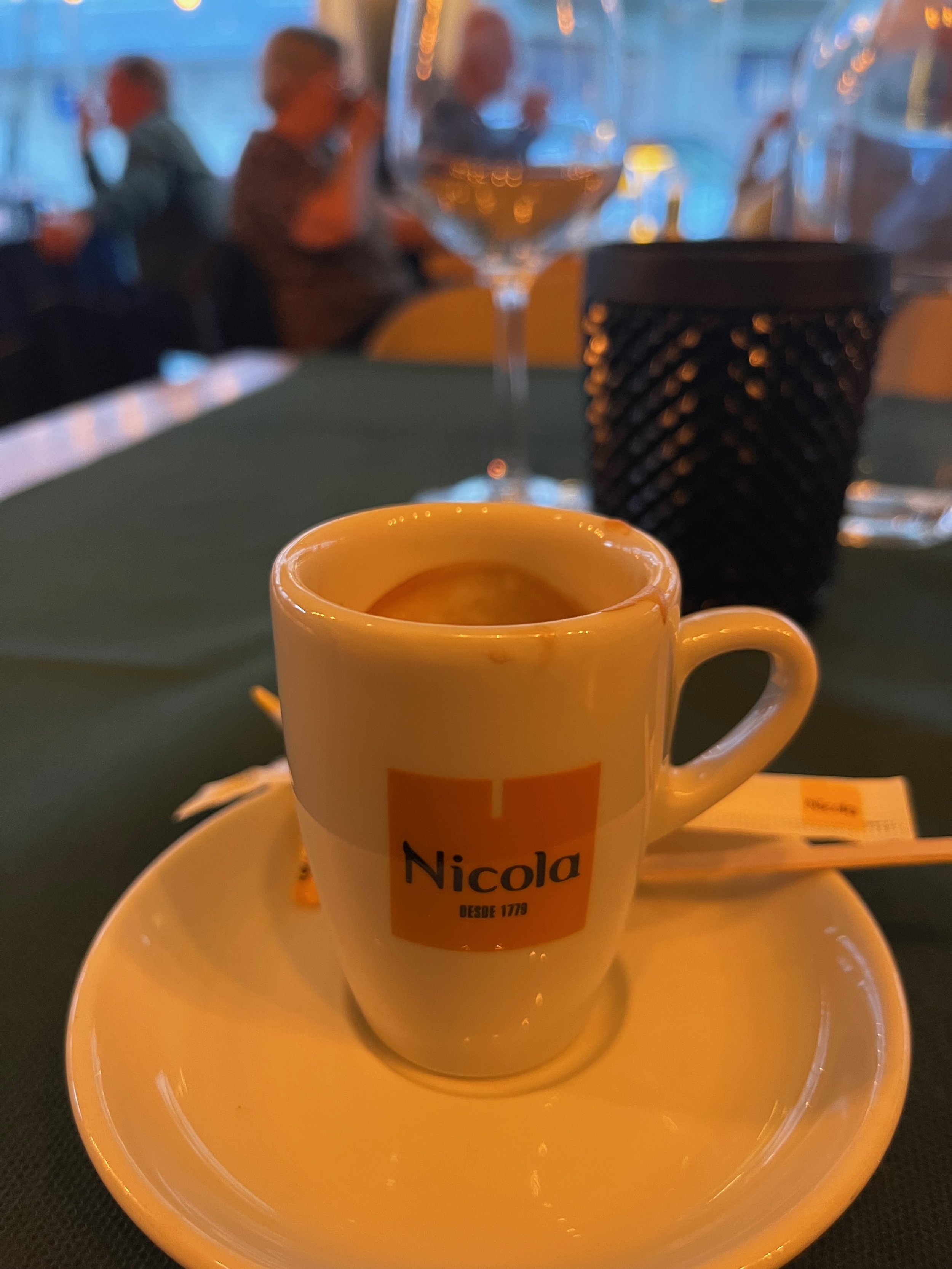
Uma bica, se faz favor! Photo by Wendy Stieg
At the same time, food culture itself may play a role. In many parts of Europe meals are built around simpler ingredients, traditional preparation methods, and slower eating patterns. Daily life may also involve more walking and movement. Taken together, these differences may help explain why some travelers notice that certain foods feel different when they eat them abroad. For some Americans, these experiences have led to deeper questions about health, food safety, and their own reactions to food. For travelers who already live with food sensitivities, those differences can also raise a practical question: how do you navigate food while traveling without constantly worrying about what you can and cannot eat? I find this to be more challenging in the U.S. than I do when traveling in Europe.
How to Travel With Food Sensitivities
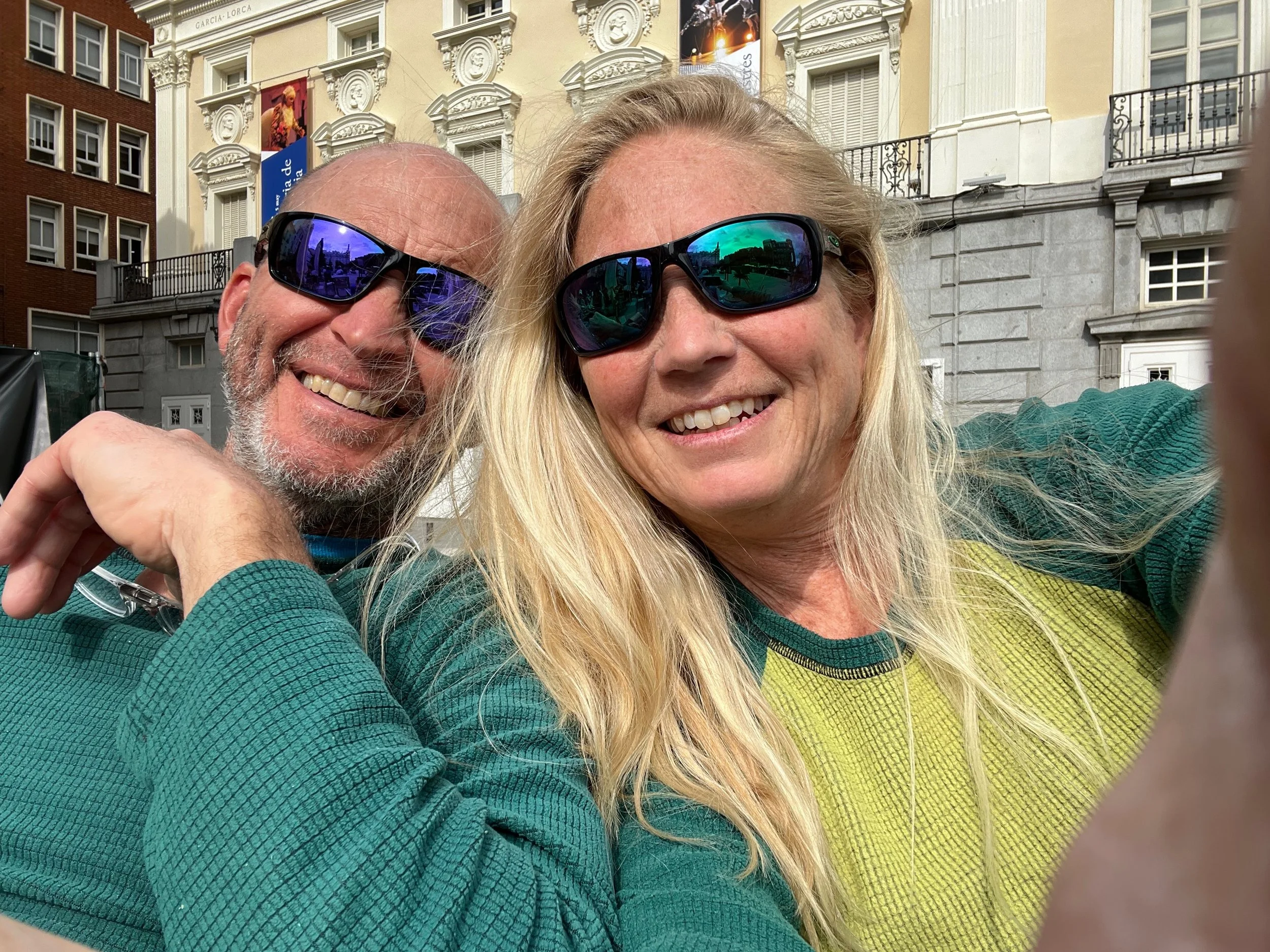
One Day in Madrid. Photo by a Spanish Waiter
Preparation
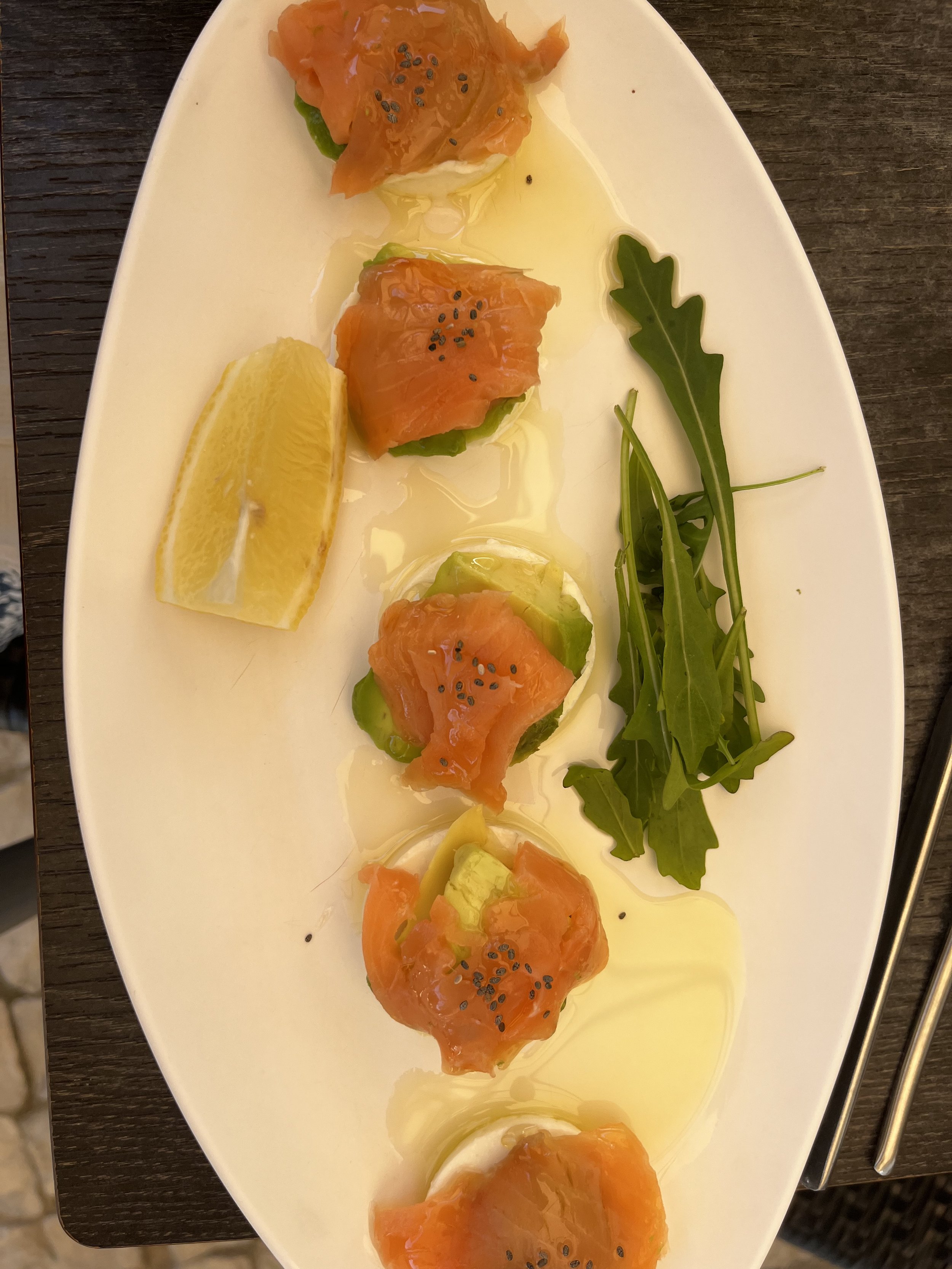
Smoked Salmon, Algarve, Purtugal Photo by Wendy Stieg
Traveling with food sensitivities can feel limiting at first. Being prepared before you go can remove much of that uncertainty. You can learn about food traditions in any particular region and know what to expect before you arrive. For example, in Portugal, traditional foods tend to be fresh, simple meals that offer many healthy options for travelers looking for the best foods to eat. France, known for its rich culinary perfection, also offers smaller meals, also with the freshest ingredients and grown locally. In France, bread is treated almost as a public good, and bakeries coordinate their schedules so that fresh bread is available every day in a town. Spain, with its tapas culture, also emphasizes smaller meals that can offer healthy alternatives in every tapas bar.
People in Europe tend to eat less but enjoy healthy, delicious meals that satisfy without going overboard. Eating less is known to be healthier across the board. Food regulations in many European countries are also designed with consumer protection in mind, which can help reassure travelers who care about ingredients and food sourcing.
Learning Through Markets
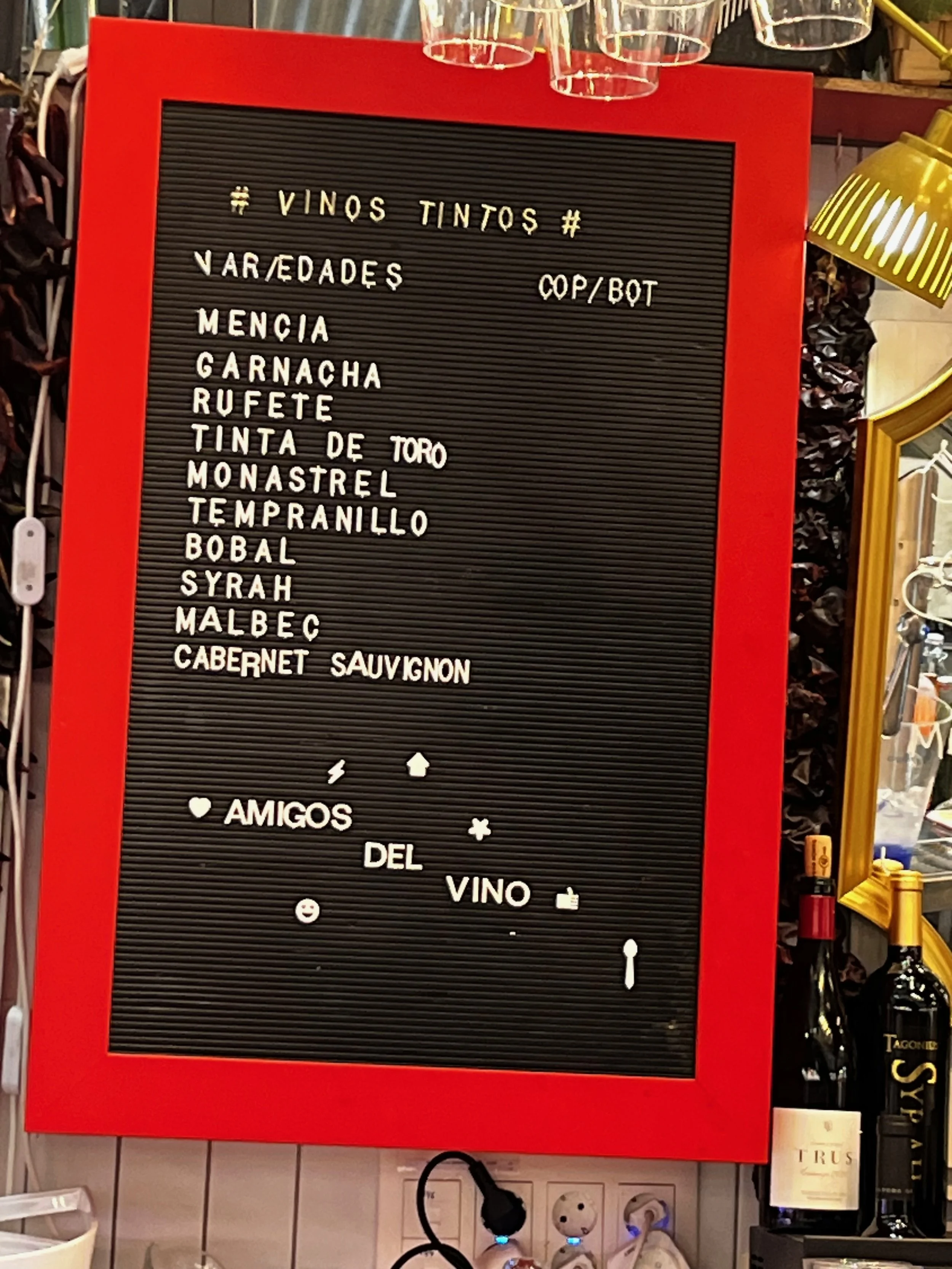
Available Spanish Varietals Photo by Wendy Stieg
Friends of mine who had arrived in Florida from England had gone out to eat while in Florida and started to wonder, " Do Americans eat vegetables?” I laugh when I think about their initial reaction to American food. You might wonder about that when looking at certain restaurants with huge portions and very little fresh variety in some areas. I mean no disrespect to Florida, but it would depend on which restaurants you went to, and not knowing that could give you a vastly different idea of what is available in this country that is healthy. Perhaps a better window might be to go to a farmer’s market anywhere in the United States. That’s no different than traveling abroad anywhere, and markets will give you a good window into any particular region's food culture.
Local grocery stores can also show you what people actually eat day to day, but with such a huge variety of different kinds of grocery stores globally, it helps to pay attention to that particular store’s focus. Look for fresh produce and fresh-baked bread with very few ingredients compared to already prepared foods, checking ingredients as you peruse the aisles. You will get a much better picture of what is actually available compared to restaurants. One of the things I love about traveling in Europe is finding small neighborhood markets where you can easily assemble a healthy lunch for not much money, and it will be far healthier than a sandwich and fries at a local restaurant.
Communicating Your Needs
Learn some key phrases in the local language, which can make a big difference. Paul and I were in a small town in Spain, and knowing conversational Spanish, I was clearly able to communicate that we did not want beef or meat of any kind. I was able to ask what the fish of the day was and order what we wanted. But I forgot to ask what was on the salad, as my idea of a salad, based on my experience in ordering many salads during my lifetime, is that you usually don’t have meat on a side salad. The one we ordered arrived not with meat but with chicken. I did not say anything about chicken and forgot to ask about chicken. We did not return it, but we also did not eat it.
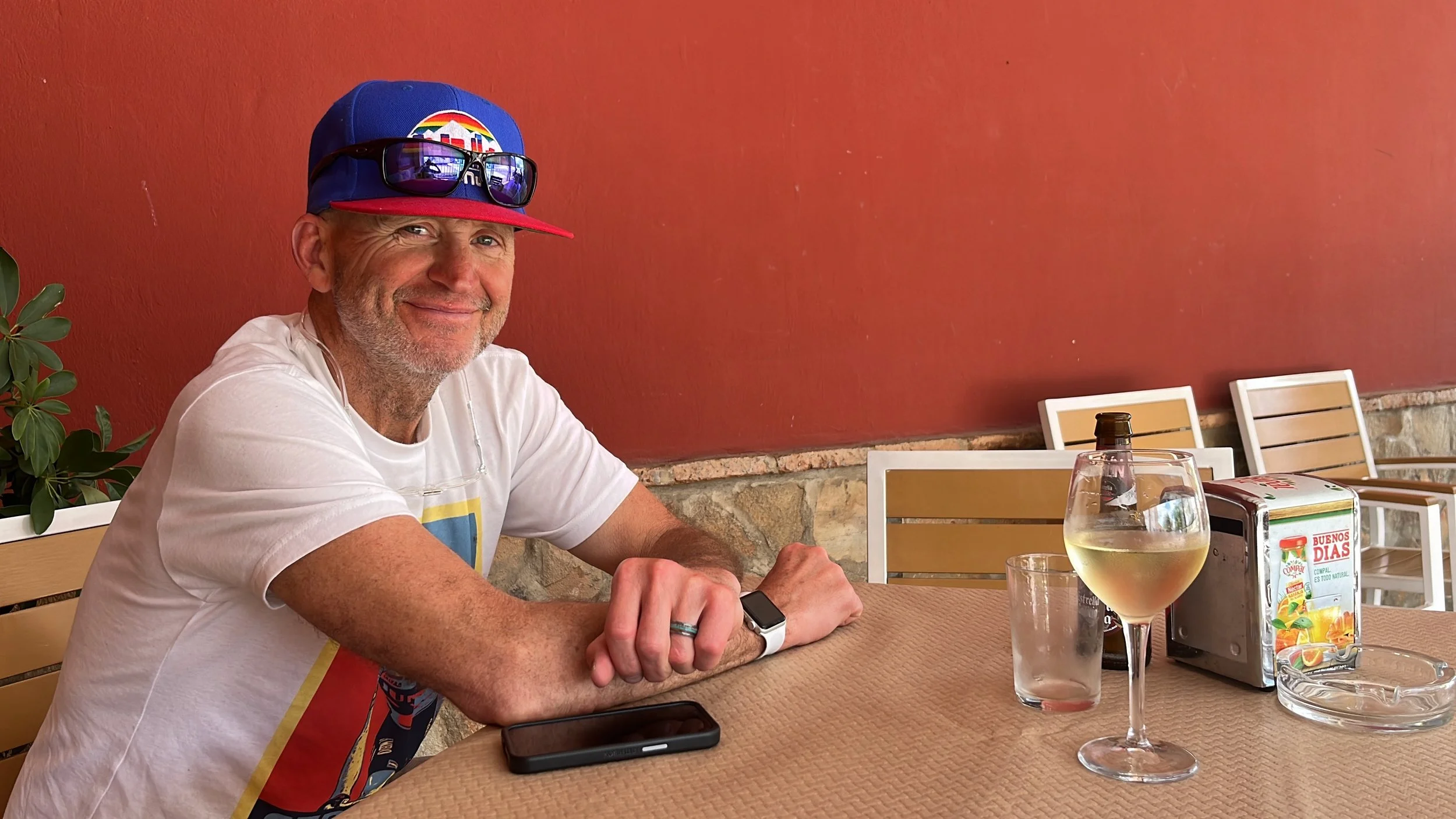
Paul is enjoying himself at a village restaurant in Spain. Photo by Wendy Stieg
I was so focused on trying to speak correctly that I lost sight of the fact that a salad could possibly have meat on it. I was able to explain my needs, however, for the most part. Knowing some of the language is absolutely key. Being able to communicate clearly does reduce stress when navigating unfamiliar menus. I have found apps like DeepL and also iTalki, can help you learn key phrases, and you can type in any ingredients into the translator to get an accurate idea of what is in the food you are eating.
Choosing Simpler Dishes
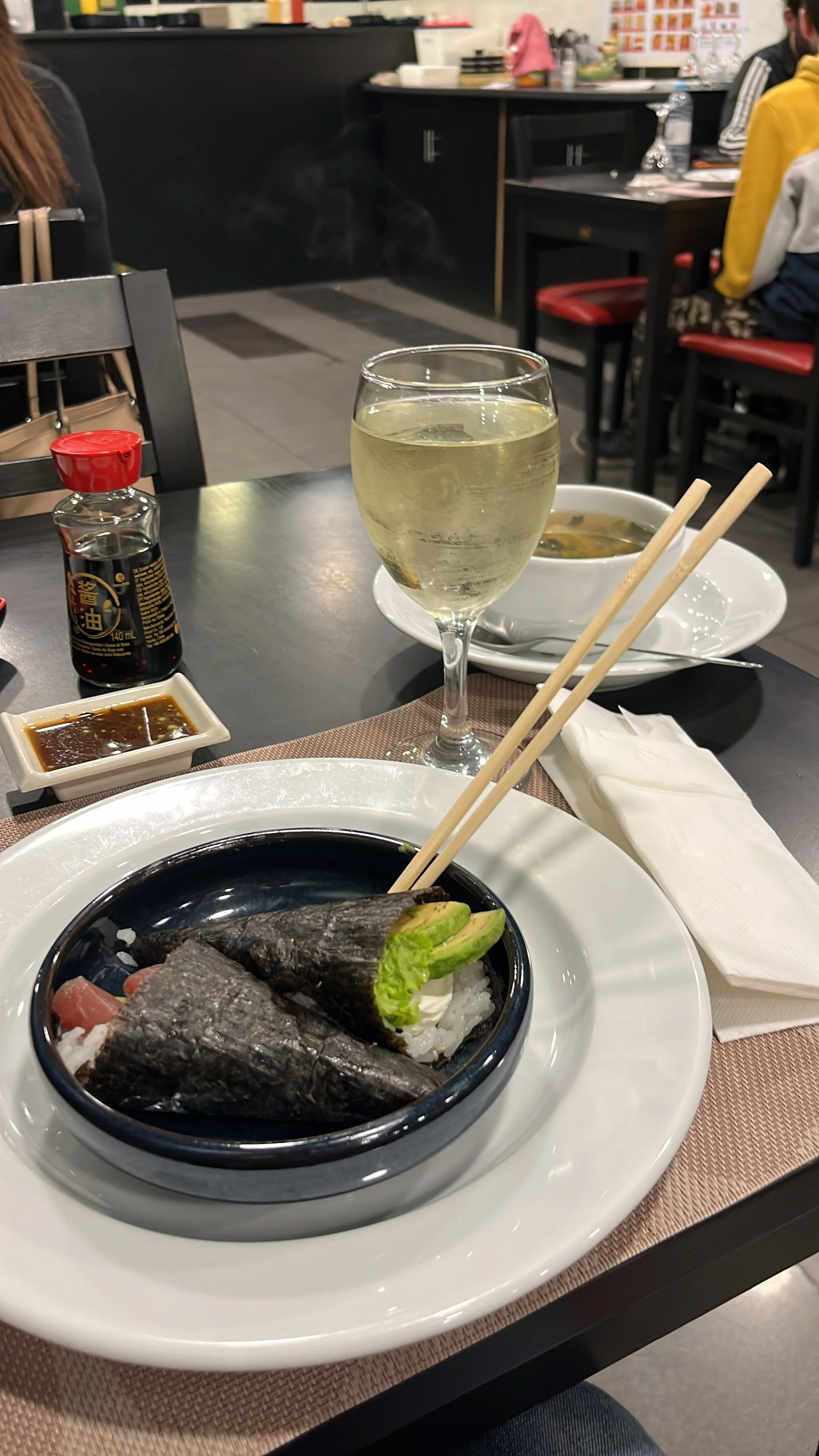
Sushi in Faro, Portugal Photo by Wendy Stieg
You may have heard me talk about the Blue Zones, which is a body of work developed by Dan Buettner, the #1 New York Times bestselling author and National Geographic Fellow. Buettner outlines seven reasons why people who live in the Blue Zones areas of the planet live so long, with number one being to eat a plant-based, nutrient-rich diet. I own a copy of the recipe book by the same name, and what you notice is how simple and how few ingredients the various meals from around the world are.
This notion can help you if you have food sensitivities or if you practice a special diet, because when you travel, you can find access to fresh, whole foods widely available. Many regional cuisines rely on straightforward preparation methods, reducing the need for highly processed foods or complex sauces that can hide ingredients. Sticking to this approach can help widen the options of healthy foods that are on your “can eat” list.
Staying Flexible
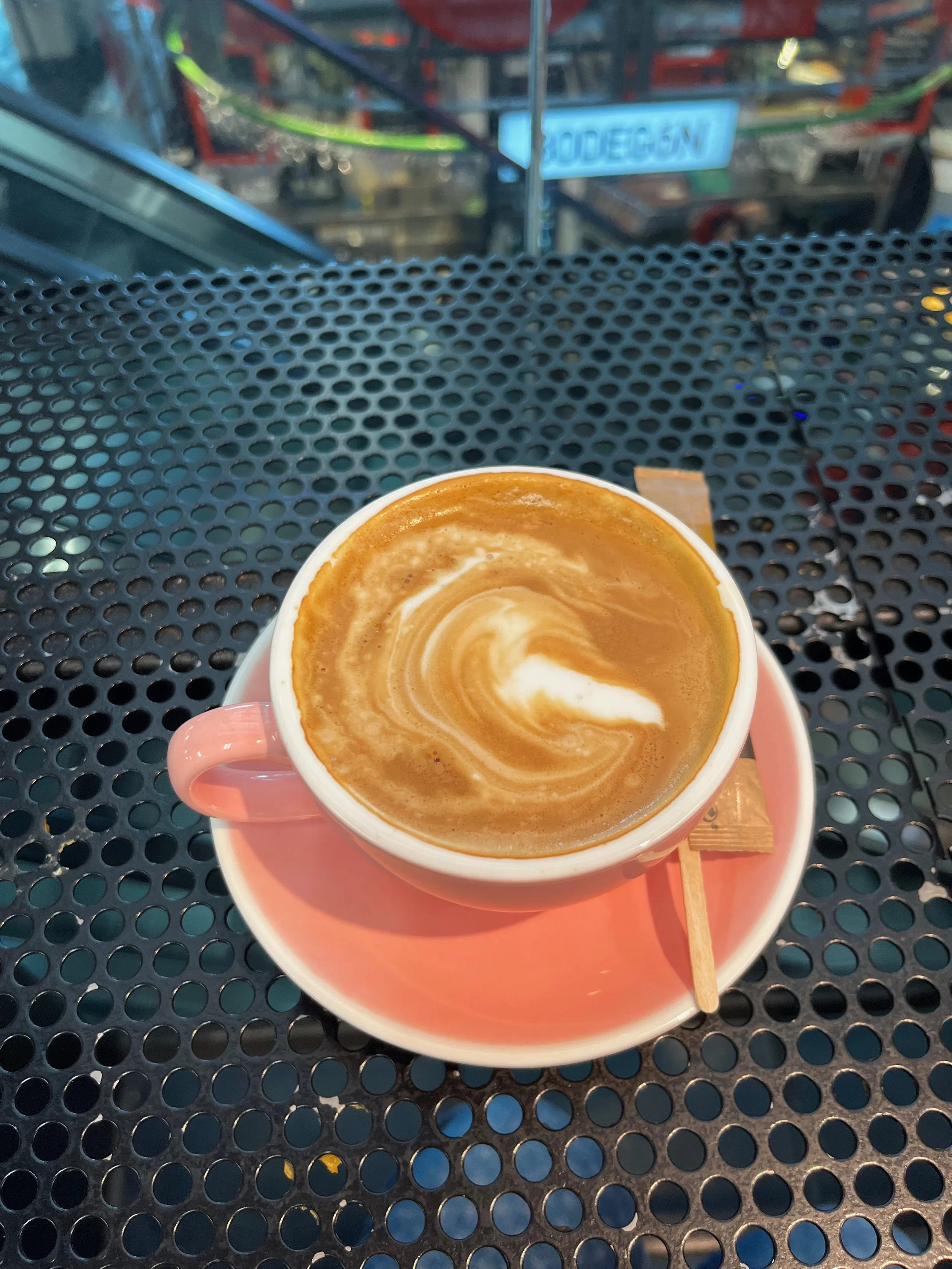
Spanish Latte, Madrid, Spain Photo by Wendy Stieg
Travel rarely allows perfect control over every ingredient. Also interestingly, when you look at what and how people eat, a lot of the latest research shows that diets high in fresh fruits, vegetables, legumes, and simple ingredients can increase health. But travel also means you may not be able to stick perfectly to your diet, so spending a little time noticing how your body responds can help guide your decisions along the way. Of course, anyone with allergies to certain foods has to be able to advocate for themselves.
My problems with certain foods in the U.S. highlight this. But my lived experience of eating bread in Europe does not correspond with digestive problems and stomach pain, so knowing this gives me a way to manage that problem better. It also affords me more flexibility than I tend to have in the U.S. around certain foods. I try to keep a healthy balance by maintaining curiosity about local food while respecting my own beliefs and limits.
Finding a Balanced Approach to Food While Traveling
Eating delicious food in new parts of the world is one of the most enjoyable parts of traveling. You are truly stepping out of your comfort zone, and you might surprise yourself by liking new kinds of food. Food is also meant to be enjoyed and to be part of a social experience. Meals are deeply cultural and give us a window into a particular culture.
If you enjoy stories about the role food and place play in travel, you might also enjoy my February Experience reflection.
But pay attention to and listen to your body. Notice what foods work well and which ones you may want to continue to avoid, depending on your situation. You don’t have to be perfect when you travel, and you might give yourself the chance to try new things this way, increasing the foods you enjoy eating. Travel reveals culture and patterns around food that can be fun to experience. Perhaps the most important thing in any situation where you have food sensitivities or restrictions is to know what works for you personally and allow that to help you navigate new foods and environments around food.
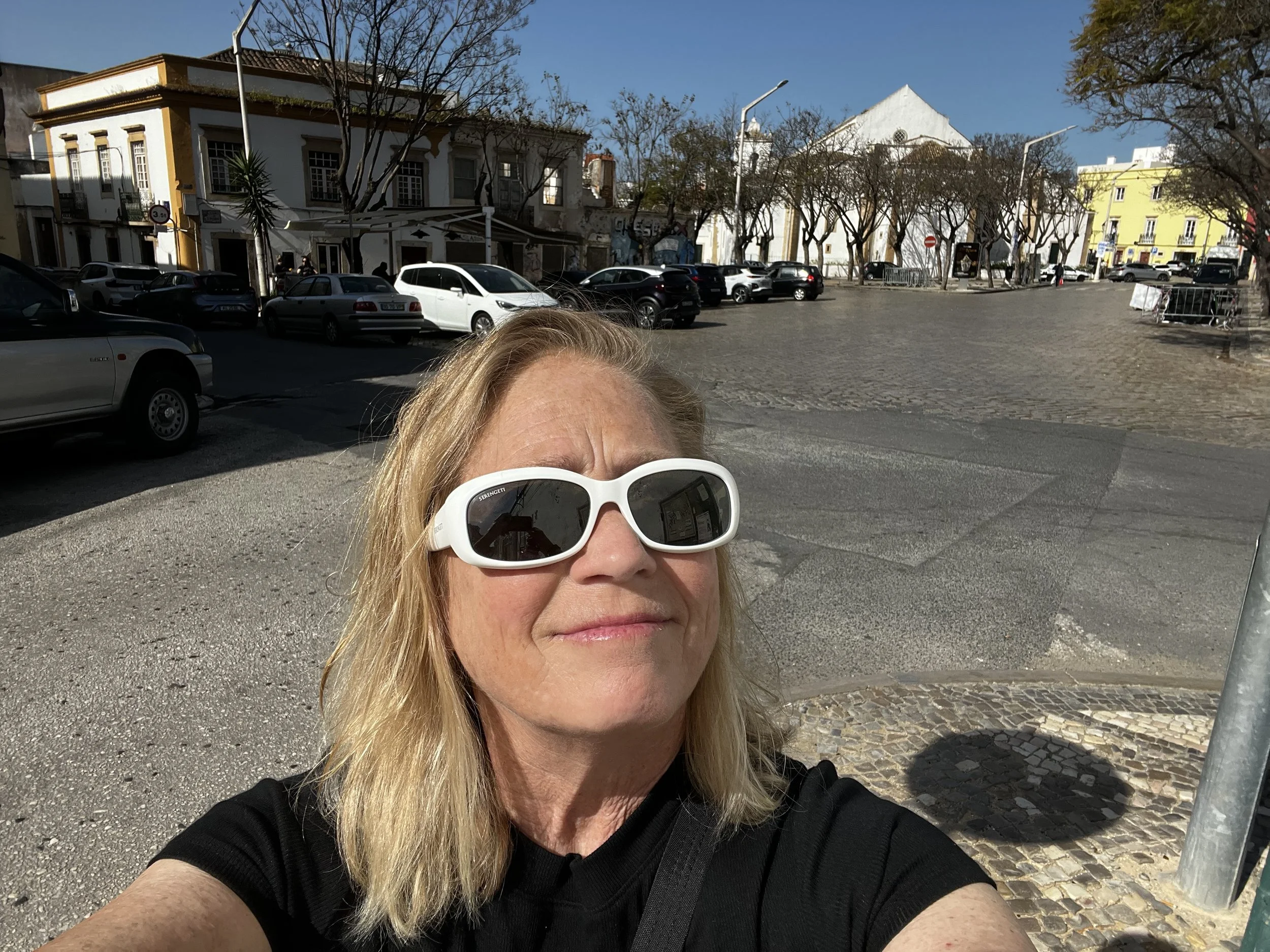
Selfie near a square in Faro, Portugal. Photo by Wendy Stieg
