
Safe Travels Without Paranoia
Balancing awareness, digital safety, and smart prep without letting anxiety run the trip.
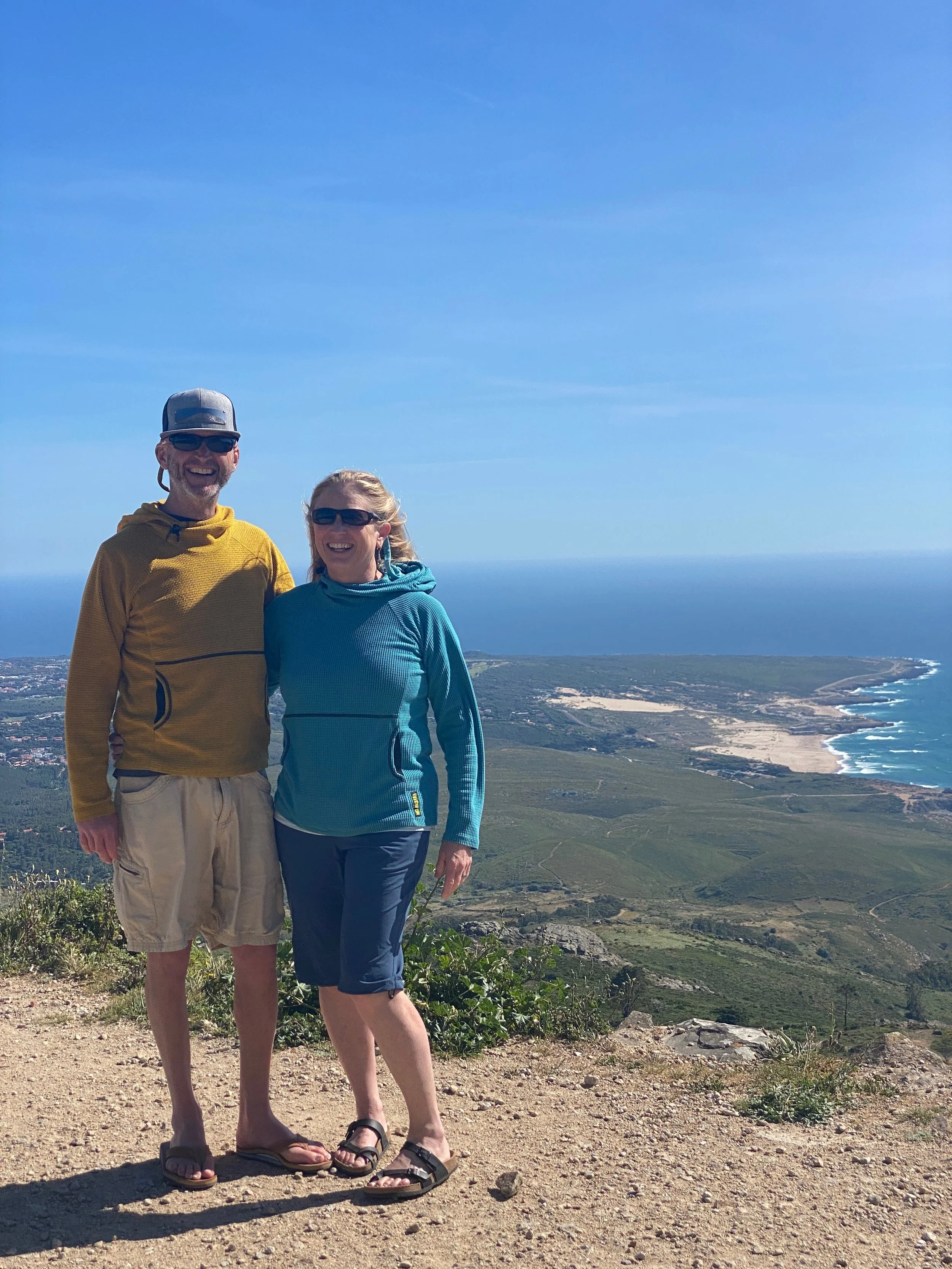
Colorado Meets Cabo da Roca, Portugal. Photo by Miguel Rodrigues
Got Concerns? How Do You Stay Safe When Traveling?
I remember my first international trip. I just wanted to do my research, feel prepared, and feel good about going. Instead, article after article warned me that pickpockets were everywhere. I still remember someone telling me a story about a friend who had fallen asleep on a train in Europe and woke up to discover that a razor blade was used to cut her thin purse strap and steal everything. I never forgot that story.
I also had a scary personal experience in Hawaii. I was alone at a beach park. I had my backpack with my purse, a Sony Walkman, and some cash inside while I went for a short swim. When I returned, something felt off. I had grabbed my backpack and rode my bike home. Once I got home, I noticed that my purse was still in the backpack, but the cash and the Walkman were gone. Being alone in a new place and realizing someone was sneaky and had stolen from me left me feeling violated. That experience never left me.
If you like having a structured framework for your trips, you can explore the journals and guides in my Bon Voyage Shop to map out your next adventure.
New to Travel? Your Lived Experience Is a Plus
After the experience in Hawaii, I felt a bit hypervigilant. It was hard to shake the sense that something could happen at any moment. For a while, those two things felt tied together. Over time, though, I began to understand that feeling excited, uncertain, alert, and responsible can all exist at once. Traveling somewhere new naturally raises your awareness. In mild form, those heightened feelings are signs that you care. They are not automatic signs that you are in danger. There are always ups and downs before, during, and after travel. That is part of travel. It took me a long time to figure out how to stay sharp without letting anxiety take over. You can keep your guard up and still have a great trip.
When I first moved to Hawaii at nineteen, there was no roadmap waiting for me. I had to find work, a place to live, and transportation. I had to learn to move through daily life in a place that was both beautiful and unfamiliar. Problems came up, and I dealt with them because I had no other choice. That time taught me something I didn't fully understand then: competence comes . It grows because you respond. Travel is a condensed version of that same process. The steadiness you need abroad is often something you have already practiced at home. That early stretch is the same stretch travelers feel when they land somewhere new.
If you want to think more deeply about travel protection without sliding into fear, I wrote about it in Force Majeur: Preparing for the Unpredictable without Fear.
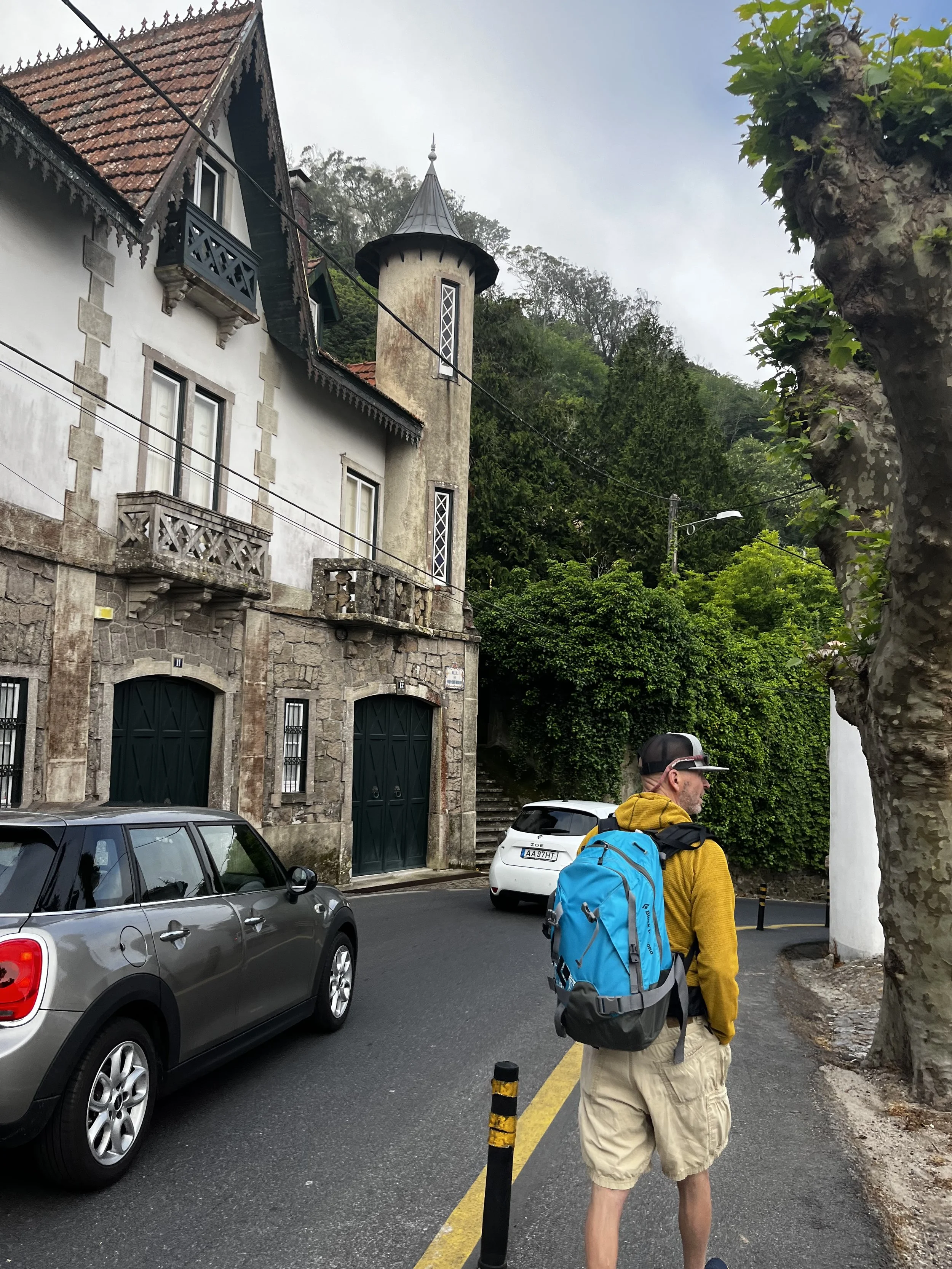
Exploring the Historic Streets of Sintra, Portugal. Photo by Wendy Stieg
Experienced Travelers Aren’t Fearless, They’re Fluent
Sometimes hearing stories about seasoned travelers makes it sound like they have it all figured out. They do not. If travel had no novelty, no uncertainty, and no moments of discomfort, most of us would lose interest. Experienced travelers still enjoy being out of their comfort zone. The difference is not fearlessness. It is fluency.
Fluency shows up in different ways. Moving through an airport and knowing you will end up at the right gate. Booking lodging without overthinking every detail. Stepping onto public transportation and trusting you can figure it out. That competence does not come from luck. It comes from repetition. It comes from having been uncomfortable before and surviving it. Fluency will not prevent things from going wrong. It does something better. It builds trust in your ability to respond. When plans change, or something unexpected happens, experienced travelers adjust and recalibrate. The skill is not avoiding every problem. It is knowing you can handle one when it appears. That fluency goes beyond airports and train stations. It includes how you handle your money.
Thinking about transportation? Transportation in Europe, Part 1, grounds your decision-making.
Money Safety: Financial Awareness Creates Competence
Money safety deserves its own attention because there are many ways to lose money while traveling, and not all of them look like theft. Sometimes it is simply exchange rates or transfer fees eating away at what you worked hard to earn. Charging high fees for converting U.S. dollars is common. Airport currency exchanges are one of the easiest ways to lose money, which is why I never change money at the airport. Moving funds into a Wise account and using a Wise card at carefully selected ATMs has been one of the most practical adjustments I have made. Understanding how exchange rates work and where your money is being converted is part of financial fluency.
Monitoring accounts regularly is also necessary, but how you check matters. Public Wi-Fi is convenient, and it can be used safely, but not for financial transactions unless you are protected. I use a VPN and never access bank accounts on unsecured networks. Setting up bank alerts adds another layer of protection, and notifying your bank before international travel prevents unnecessary account freezes. Being aware and staying on top of your money makes a big difference. The sooner you see a problem, the easier it is to address.
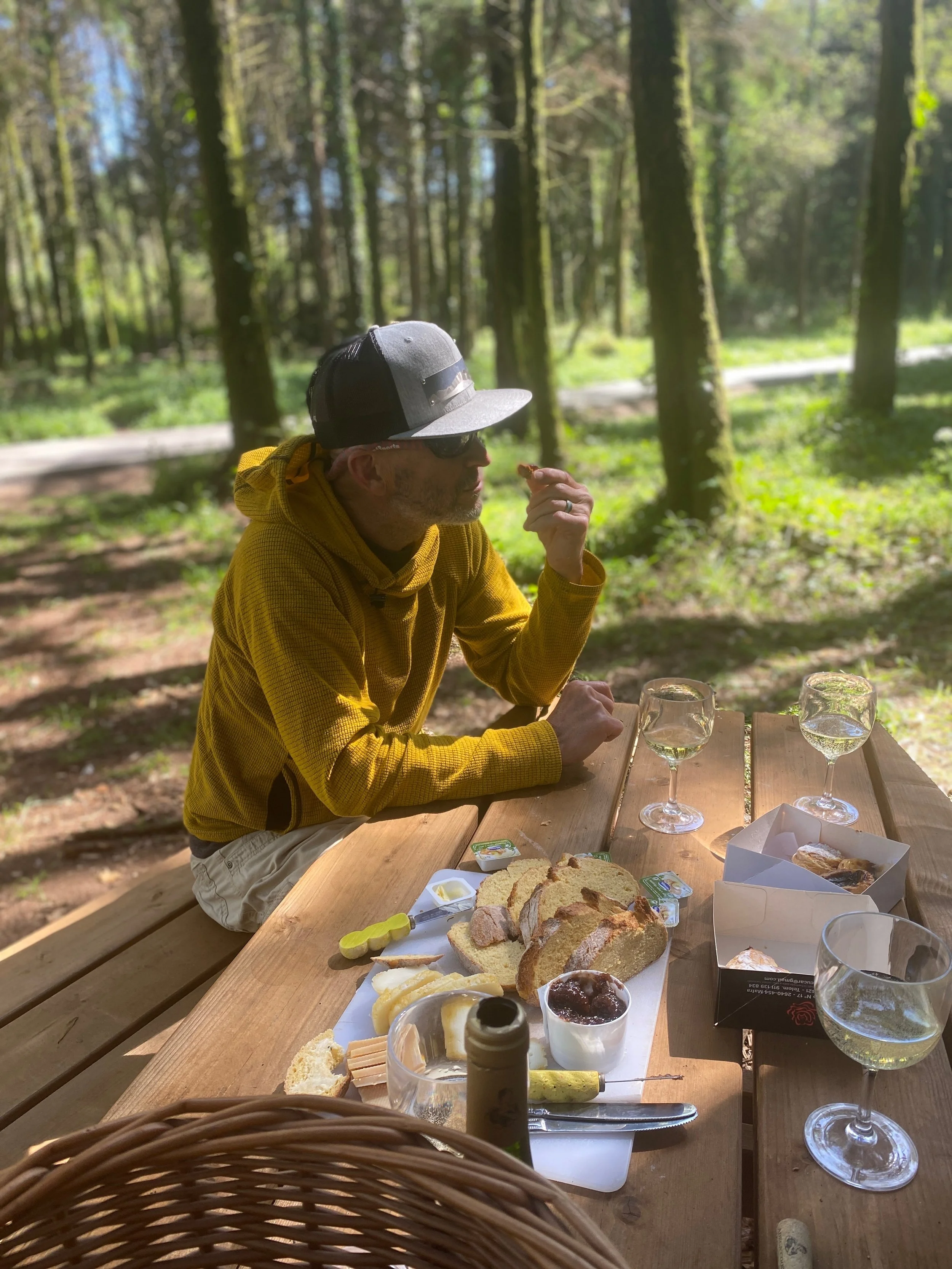
Paul at a Picnic in Portugal. Photo by Miguel Rodrigues.
Fluency in Digital Safety
There we were, trying to figure out where to stay next as we were driving around the Algarve. I was ready for a bed and a shower. The van was great, but my deal with Paul remained: every three days or so, I get a hotel room for the night. That meant we had to search online for our next room. We purposely did not plan everything out and went where we felt like going. I had already done my research, and for that to happen, I first had to set up a travel pass through my cell phone provider.
When you are using data, texting, and making phone calls for 10 days or less, a travel pass through your provider is the way to go. Over ten days, you should look into an eSIM that gives you access through a different provider. Staying connected abroad doesn't have to be a headache. I use Airalo eSIMs. it’s seamless because it automatically detects and connects you to the right local network, even when you're flying across borders from one country to another." There are a number of those to choose from. Stay tuned because I plan to review those options. So having your phone set up is the first thing. Then there is the VPN and safety piece, so you can use your phone safely.
A friend of mine once used public Wi-Fi and checked her bank account, only to find an unsolicited withdrawal within an hour. Do not ever go to anything related to your personal information or your finances on public Wi-Fi, even with a VPN. Use the data from your cell phone for checking bank accounts and financial institutions. If you are ever on a public Wi-Fi, use a VPN.
Go through all of your regularly used passwords before you travel and update them, making sure to use two-factor authentication. Arriving with safety in place, with a Virtual Private Network, a secure international phone plan with an eSIM, understanding when to use and not use public networks, and having your international plan in place is what you have to do in order to use your phone and search safely. These precautions do not make me anxious. They make me fluent in digital safety.

Cristo Rei, Lisbon, Portugal. Photo by Wendy Stieg
How Choosing Travel Gear Supports Safety
I travel light. I much prefer to use a laundromat than to drag a lot of clothes around with me across the world. I’d rather buy something like an extra shirt if I have to than overstuff my travel backpack. I also have an eye on safety as well. My decision to buy a crossbody purse with locking zippers and secure straps was a start. My Cotopaxi travel pack has zipper covers, making it a lot harder to unzip. I am also mindful of where everything is as I move from the airport to transport to lodging.
When you are out and about for the day, travel light there too. Skip the oversized bags, and leave anything extraneous in your place of lodging as you explore the city or village you are in. Your gear should support awareness and mobility.
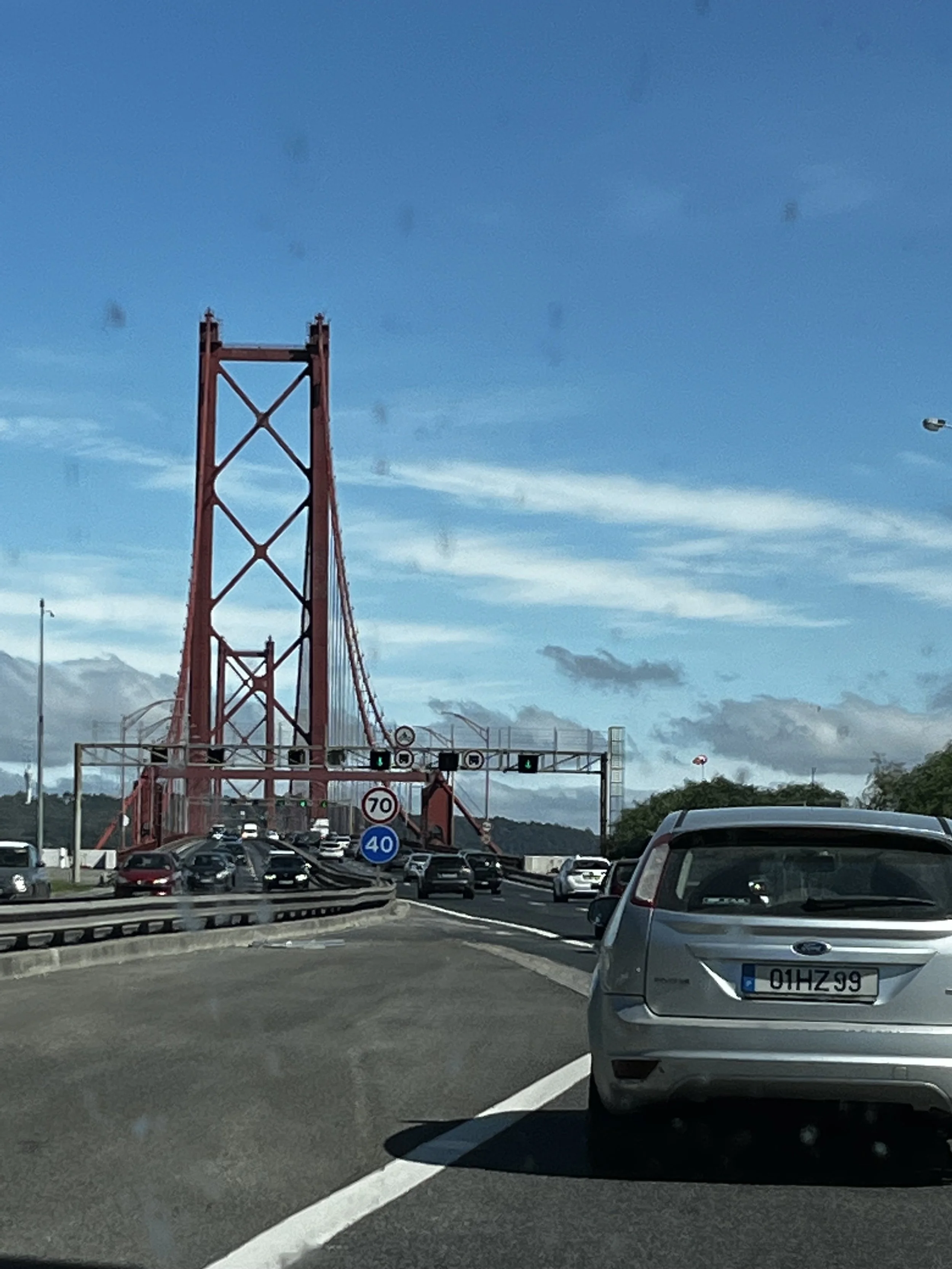
25 de Abril Bridge, Lisbon, Portugal. Photo by Wendy Stieg
Be Prepared So You Can Feel Joy in Travel
Whether you are new to travel or are well-traveled, safety crosses your mind. It often plays some role in where you choose to go and how you move through the world. Most of us live in relative safety, but not everyone does, and lived experience determines how much trust we carry. That experience in Hawaii left a trace of hypervigilance. I still lock my car wherever I park. I still lock my doors at home. That small sense of trepidation sits in the back of my mind, but years of traveling have also taught me to trust myself and my instincts. When something feels off, it usually is.
The answer to feeling confident is a combination of preparation and trusting yourself to be able to handle whatever comes up. When you're prepared, you don't have to spend your whole trip looking over your shoulder. You can sit at a café or walk through a busy station knowing you've done what you need to do, and still just enjoy where you are. Preparation frees you up. Experience builds trust. You can handle more than you think.

View from a Rooftop Bar in Lisbon, Tagus River, Cristo Rei, and 25 de Abril Bridge in the Background. Photo by Wendy Stieg
