
The First 24 Hours Aren't About Seeing the Destination. They're About Experiencing It.
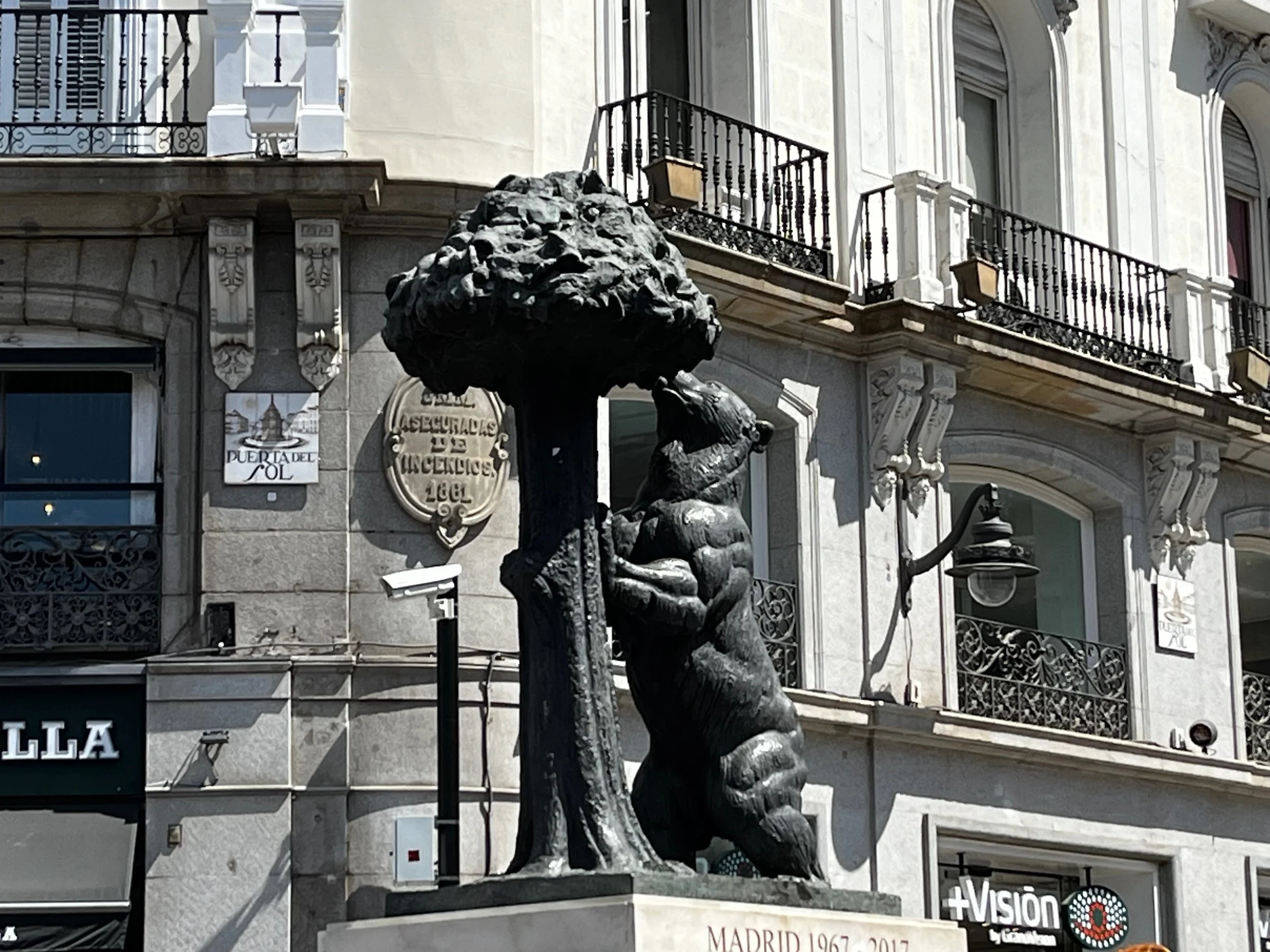
Madrid Bear. Photo by Wendy Stieg
Your first 24 hours should accomplish two things: help you function in the place and help you begin to feel part of the place.
What is the difference between arriving somewhere new and somewhere familiar? Somewhere new: new continent, new country, new language, new architecture, new everything. Maybe “unfamiliar” is actually a better word than “new.” To understand the difference, you have to first ask the question: What does it feel like to return to somewhere that you have been before? That’s easy. You feel solid. You know. You don’t have to think about every detail in order to identify where to eat, where to exercise, and how transportation works. A familiar place is filled with what you already know. A brand-new country means you don’t have any points of reference. What you do when you first arrive also depends on what time you arrive and how long your flight was. Sometimes it’s just: get off the plane, get to your room ASAP, and get to sleep. Other times, you get to your room and have some time to let it unfold.
If you're still at the stage of figuring out the trip itself, I wrote more about that in How to Plan a Trip When You Don’t Know Where to Start.
When we arrived in Madrid, I thought I had it all figured out. I watched multiple videos on how to navigate the Metro in Madrid and looked up locations and train numbers ahead of time. But reality is different from YouTube. We ended up getting off at the wrong stop because we were headed in the wrong direction! Staring at the Metro map above the seats confirmed it. What did we do? Well, us being us, we quickly found out there in fact ARE Ubers in Madrid. We ended up catching a ride with a nice young guy who knew the city well. It was a big tennis week, so we got to talking about sports. I translated for Paul since he’s the big sports guy. But our little misadventure turned into a great ride to the apartment we had rented. After that experience, we were a lot less afraid of the Metro.
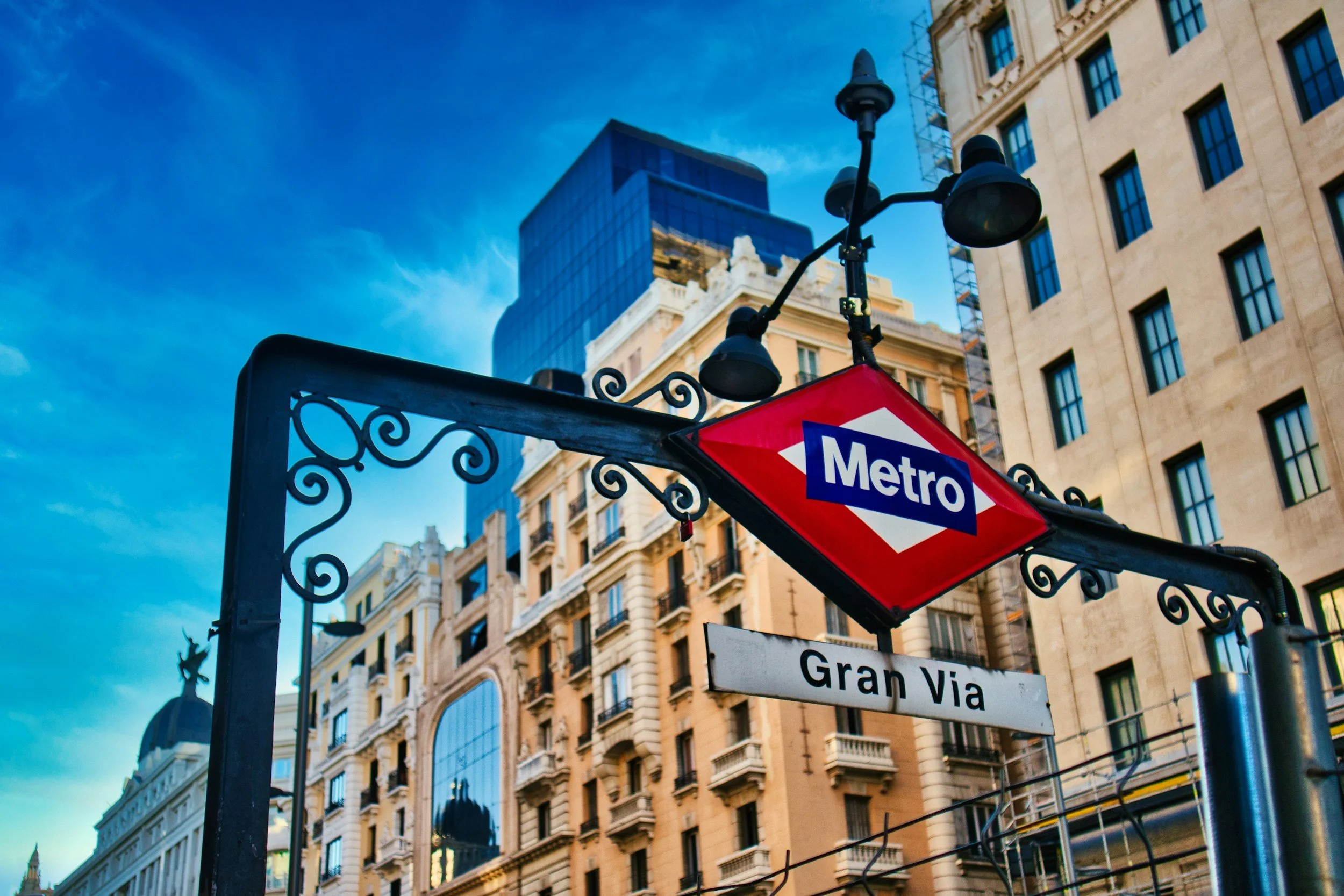
Madrid Metro. Photo by Eduardo Rodriguez
Are You Actually Seeing Where You Are?
I have now developed a keen insight into what I experienced: At home or somewhere you've traveled before, hundreds of little decisions are automatic. In an unfamiliar country, suddenly everything requires processing. That's why the first 24 hours matter. This insight did not occur to me then, but over time it certainly has. The other thing is that everything is novel. It all seems so beautiful. I grew up on the Front Range of the Colorado Rockies, in Boulder, Colorado. I have driven the distance from Boulder to Denver hundreds of times. But it took me going and living in Hawaii, then moving back home and catching that Front Range in my rearview mirror, to realize what a stunningly beautiful place Boulder is. When you grow up somewhere, you stop seeing the beauty. It’s also why I have literally hundreds of pictures of tile buildings in Portugal.
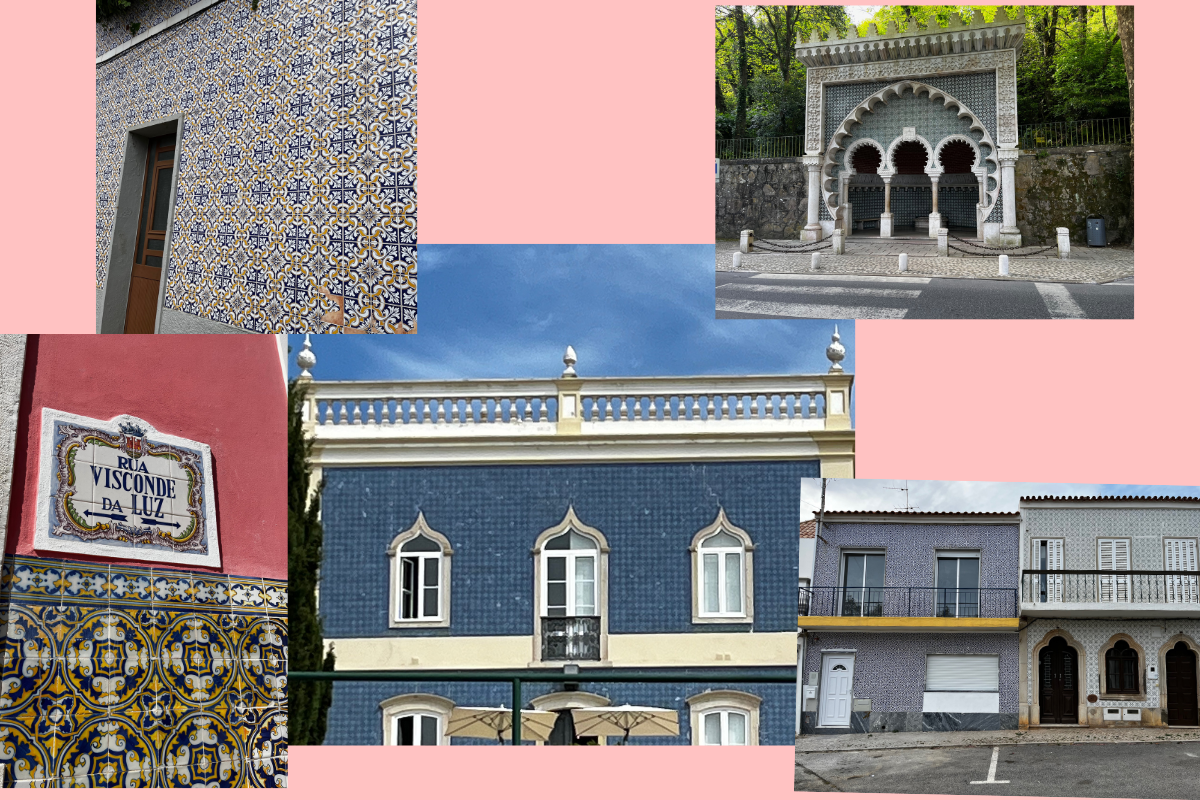
But wait! There’s more! Photos by Wendy Stieg
That idea of slowing down enough to really see a place is something I explored in Walking Lisbon.
I know we travel differently than most. I have no interest in seeing every single sight. My brain won’t remember it all, and I will become completely overloaded. So in order to set the tone, I have to allow myself time during those first 24 hours and throughout the vacation. If I miss a sight that someone else got to see, I don’t actually feel like I have FOMO because I haven’t missed out on anything. In fact, I get to savor what I am experiencing. This time is far more important to me than the race to see all of the sights.
It’s also part of what I learned about intentional travel after spending months booking luxury vacations for other people in What Booking Luxury Travel Taught Me About Intentional Travel.
What Will the Memory of This Experience Do for You?
Ironically, I remember going to Mesa Verde with a family we were friends with when I was growing up. We were in Boulder, and they were in Albuquerque, New Mexico. We rendezvoused in Mesa Verde. Their son Christopher and I were natural rivals. And fierce competitors. I remember eating way too many pancakes once because he insisted he could eat more than I could. Another time, we compared how many Godzilla movies we had each seen. I am pretty sure neither of us saw hundreds of Godzilla movies, but that demonstrates how EVERYTHING was a competition between us. Then there was Mesa Verde: Christopher and I skipped pretty much the entire national park because we were racing to beat each other to the next site. Something changed in me after that. I started to realize that seeing more wasn't more.
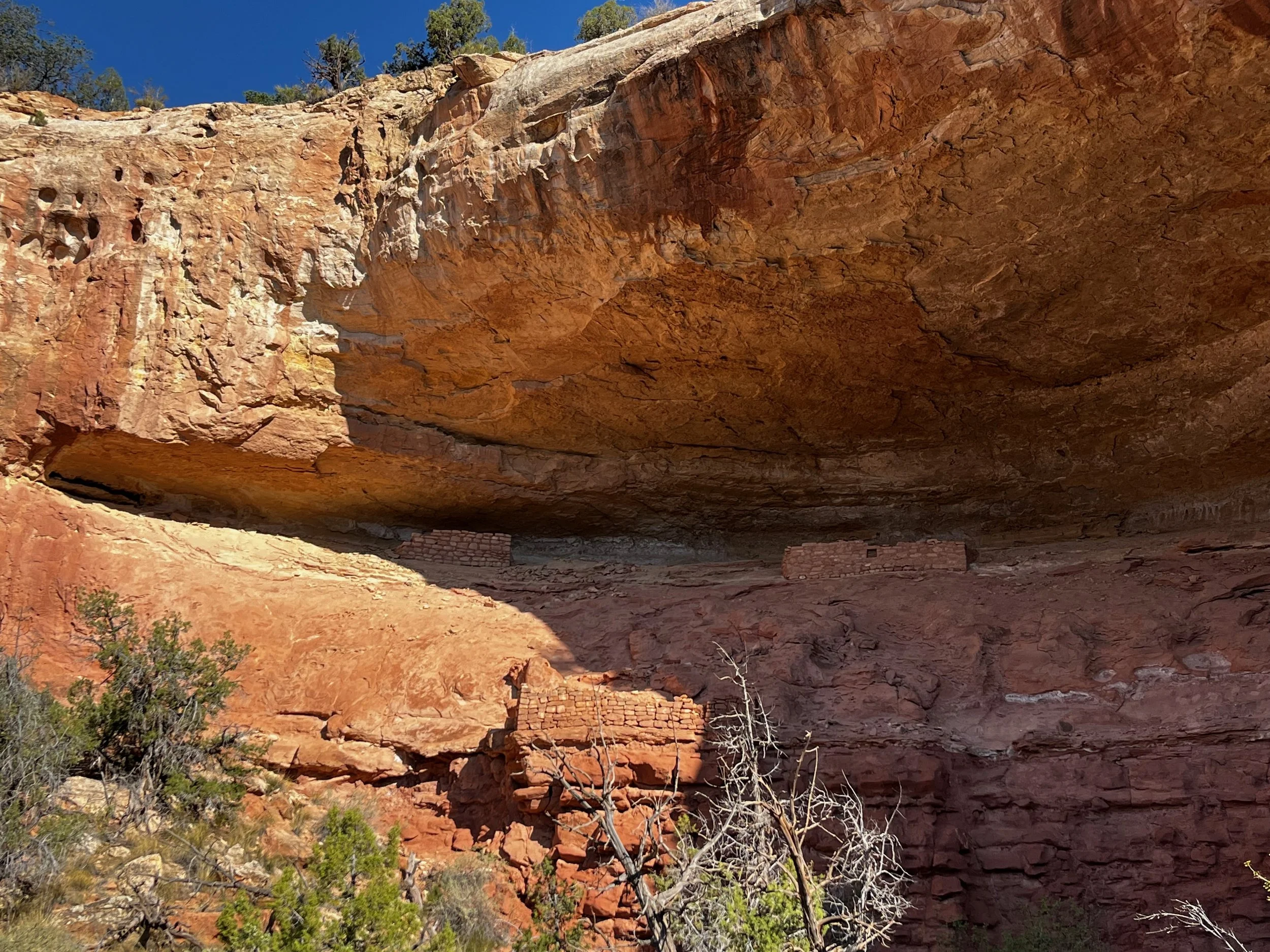
Near Mesa Verde. Photo by Wendy Stieg
Here Is the Truth as I See It
The goal isn't to make an unfamiliar place familiar as quickly as possible. It's to become comfortable enough in it that you can actually pay attention. I have figured out five areas that can help you get acclimated, but only just enough.
The Five Most Important Things in Your First 24 Hours
1. Get oriented to your immediate neighborhood. Before chasing attractions, figure out your little world. Where's the nearest grocery or market? Pharmacy? Café? ATM if you need one? Transit stop? Which direction is the city center? Walk around enough that the area starts making sense. Paul and I do this on purpose. We walk the neighborhood, get our bearings, and start creating those first few points of reference. The exercise is a bonus.
Of course, figuring out a new place with another human being brings its own set of challenges, which I covered, with Paul’s considerable assistance, in How to Travel Without Killing Your Partner.
2. Get your practical systems working. Make sure your phone and data work, figure out the local transportation, and make sure you can access your money. I use Wise when traveling internationally because I can hold and spend in different currencies for substantially less than exchanging money at an airport or through a traditional bank. I simply move money into my Wise account online and use my Wise card at an ATM when I need cash. One important tip: if the ATM offers to convert your withdrawal into U.S. dollars, decline it and choose the local currency instead. Figure these things out early so they don't become recurring annoyances throughout your trip.
I have more about deciding which technology is actually worth bringing along in What About Technology in Travel?
3. Take care of your body before you start sightseeing. Eat. Hydrate. Shower. Change clothes. Get outside and move. Deal intelligently with jet lag. The goal isn't to pretend you're not tired; it's to get your body into local time so you don't sacrifice the next three days to your first one. Then sleep and give yourself an easy morning the next day.
4. Learn the rhythm of the place. Pay attention before charging ahead. When do people eat? When do businesses close? How does transportation work? Your first day can tell you a lot about how a place functions. I still love staying in hostels in Europe, especially for the first few days. They are a great source of information about what to do, how to get around, and what's happening locally. I also like finding one that's convenient to the airport because it makes those first arrival and departure days a little easier.
5. Do one thing that makes you feel like you've arrived. Not five attractions. One thing. Sit at a café. Walk along the Seine. Have a pint in a pub. Wander through a piazza. Put your feet in the Mediterranean. Find the neighborhood bakery. Whatever gives you that moment of: Holy shit. We're actually here. I bring this one up A LOT: get out and walk. Plan to walk in the morning, when everything is just waking up. Don't worry about where you're going. Look around, notice what's happening, and let yourself experience where you are.
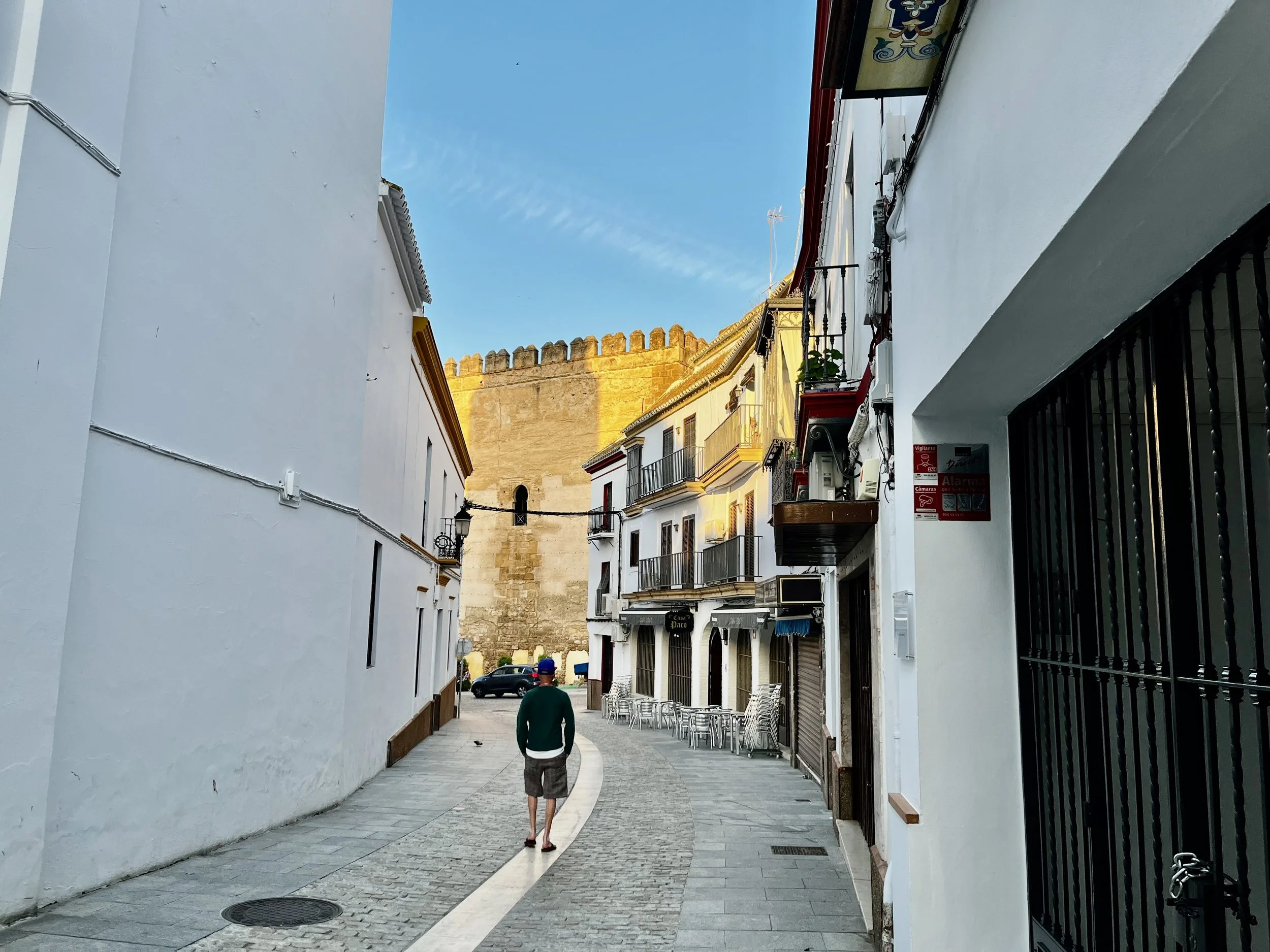
Andalusia Morning. Photo by Wendy Stieg
Final Thoughts
Intentional travel is about making the experiences you do have count. It is giving yourself enough time to come away with a real feeling of what it’s like to live there, to be a part of things, and to understand what the soul of the area you’re visiting is all about. You don’t have to see everything to do that. Give yourself enough time to get comfortable, but not so comfortable that you stop noticing. My favorite thing to do is to get up early in the morning and greet the sunrise and the day. Then go and find espresso.
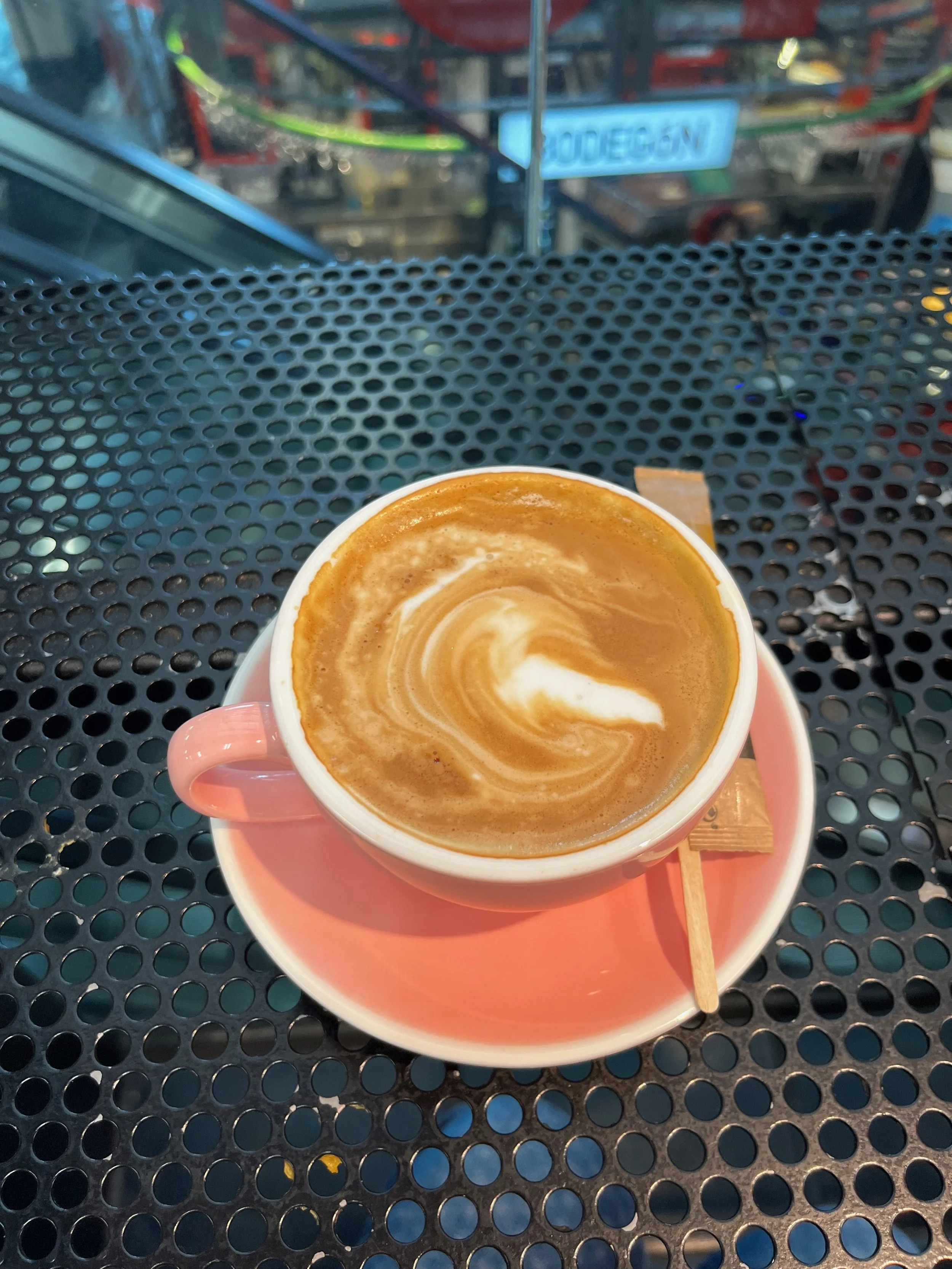
Never do this: Latte after lunch—they will know you are a tourist! Photo by Wendy Stieg
