
What's Your Plan for Life Beyond Work?
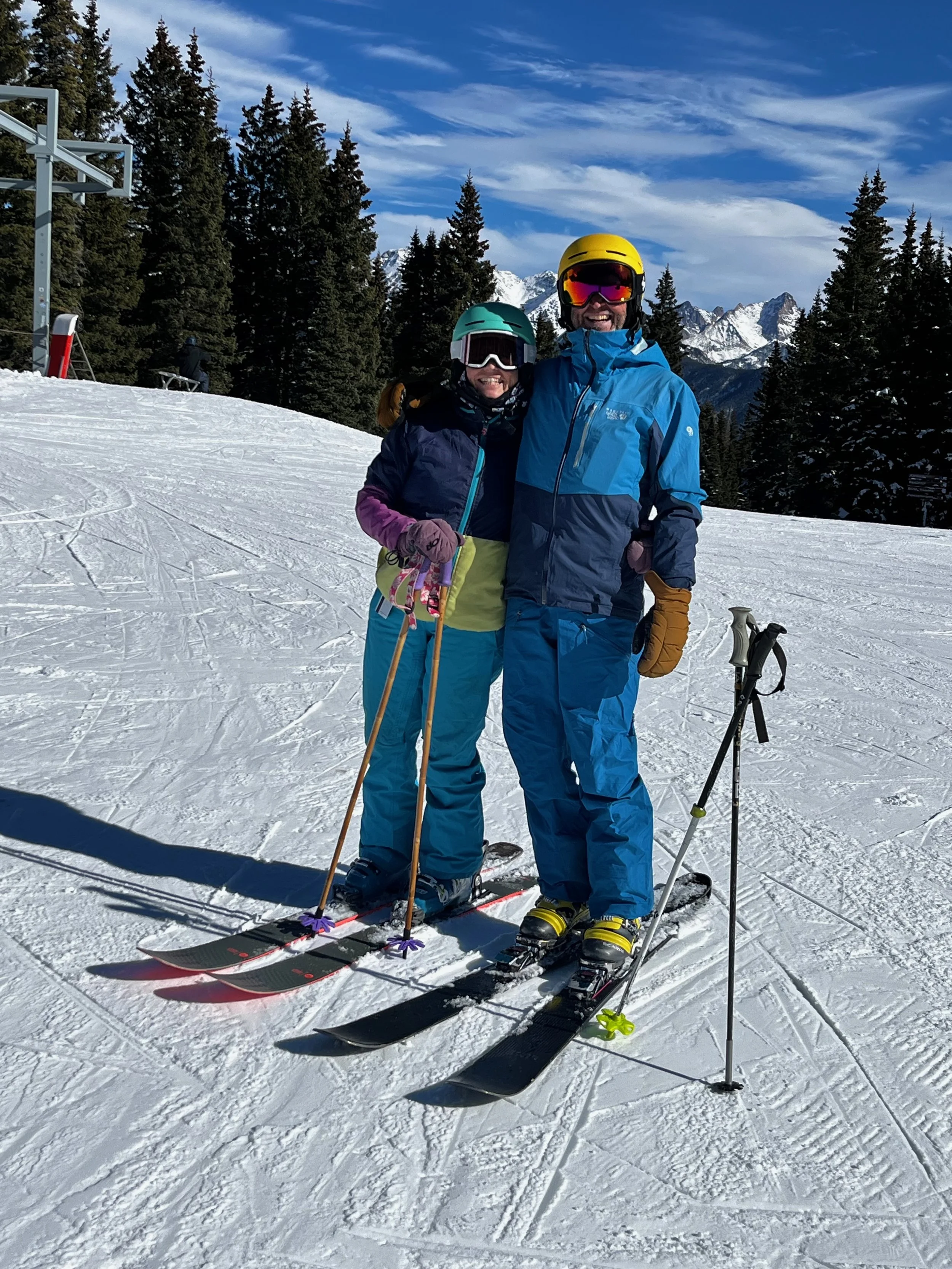
Skiing in Colorado keeps us young! Purgatory, Colorado. Photo take by a random stranger.
Bring a little adventure into your everyday life! The Best of Both Worlds Shop features original travel-inspired merchandise, gifts and other creations celebrating the places we love, the experiences we share and the adventures still ahead. Every purchase helps support Best of Both Worlds Media and keeps the adventures coming!
In October's Blueprint: Get Ready, Get Set, I introduced an ongoing series about rethinking retirement and finding ways to make it work, even when life hasn't gone according to plan. This article continues that conversation.
When I think about how we're going to navigate retirement, my mind immediately goes in three different directions. First, there's the panic: “Oh my God. Holy shit. How are we ever going to pull this off?” Which usually makes me want to take a nap and forget I ever started thinking about retirement in the first place. Once the panic subsides a little, I find myself asking, “OK, but seriously, how are we going to do this?” And eventually, I come back to the thought I like best: What if retirement doesn't actually mean retiring? What if it means changing how we live and work, finding a way to do things differently and creating more freedom to enjoy the life we're working so hard to build?
I explored some of these same questions in The Next There, when I began rethinking what success and the next chapter of my life could look like.
The earlier we start thinking about what retirement could look like, the more opportunities we have to make changes, build financial security and figure out how to maintain enough income to support the lives we actually want to live. Planning is important, but what comes first is the belief that you CAN pull this off.
Where Are You Financially Today?
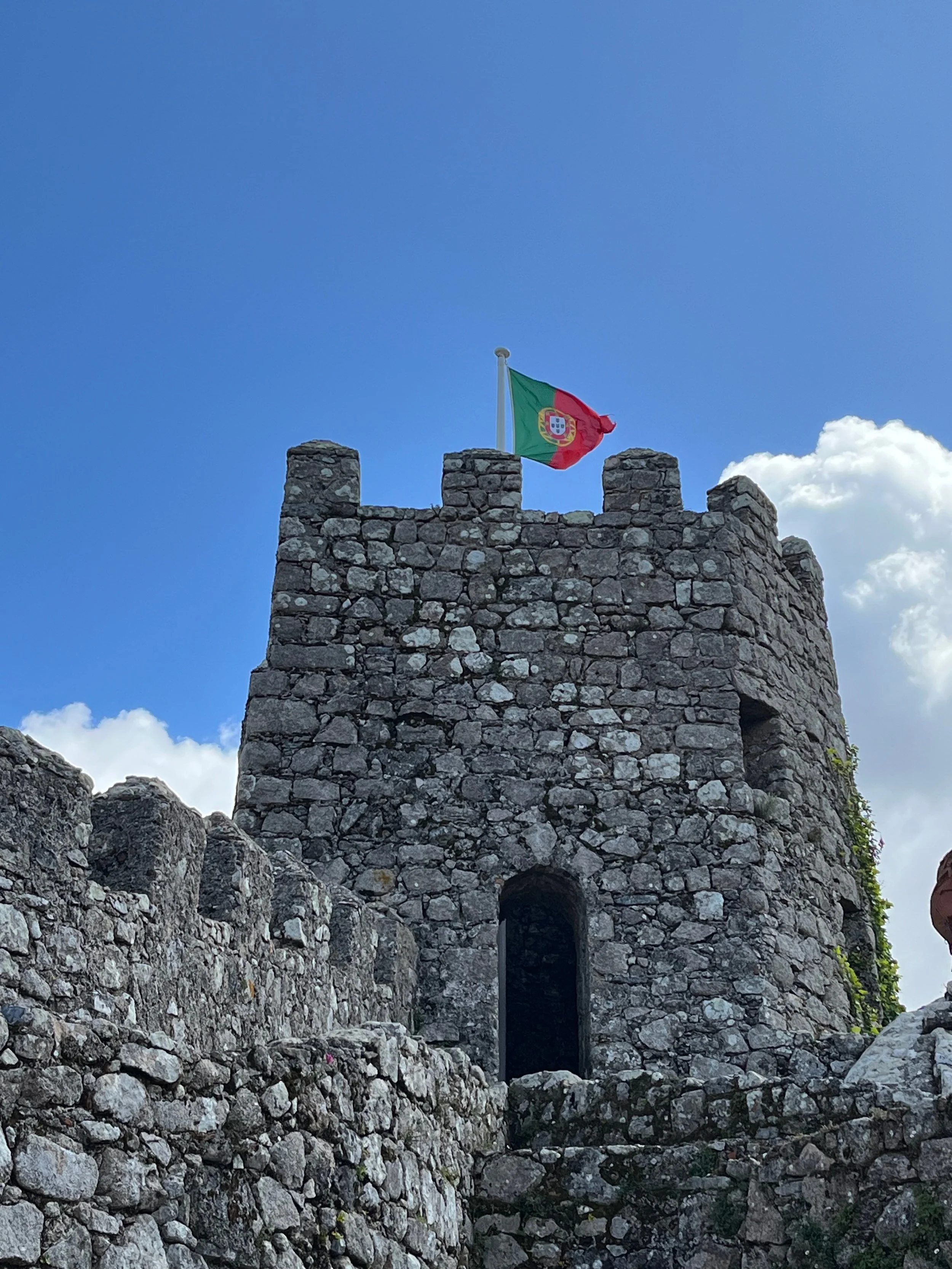
Castel dos Mouros, Sintra, Portugal. Photo by Wendy Stieg
Some people are natural planners, perhaps because they had parents who taught them how to manage money in healthy, positive ways. But for many of us, it isn't quite that simple. Life happens, circumstances change and even the best-laid financial plans don't always work out the way we imagined. Personally, money has not been an easy road for me, but that doesn't mean it has to stay that way. Paul and I have worked hard to crawl out of debt. Several times.
I've always tracked our finances using spreadsheets, but about a year ago, we started using a program called Monarch. Initially, I just wanted to make sure we weren't paying for subscriptions I'd forgotten about, but I also wanted a clearer picture of our finances. I used to compare myself to others, assuming they were far better off than I was. But that kind of thinking got me nowhere. Over the past two years, we've focused on creating a different way to support ourselves, one that gives us more control over how we earn a living and, ultimately, how we spend our time.
I suggest you start by looking at your assets, debt, expenses as well as your spending and saving habits. Wherever you are, that is where you are. Understanding that picture is the first step. Focusing on what you have and where you need to be financially will serve you better than becoming discouraged by where you think you should be.
If spending part of your retirement abroad is on your radar, Wise is worth exploring. Wise offers international money transfers and currency conversion, which can be especially useful when you're managing finances between countries.
What Does Your Current Work Situation Look Like?
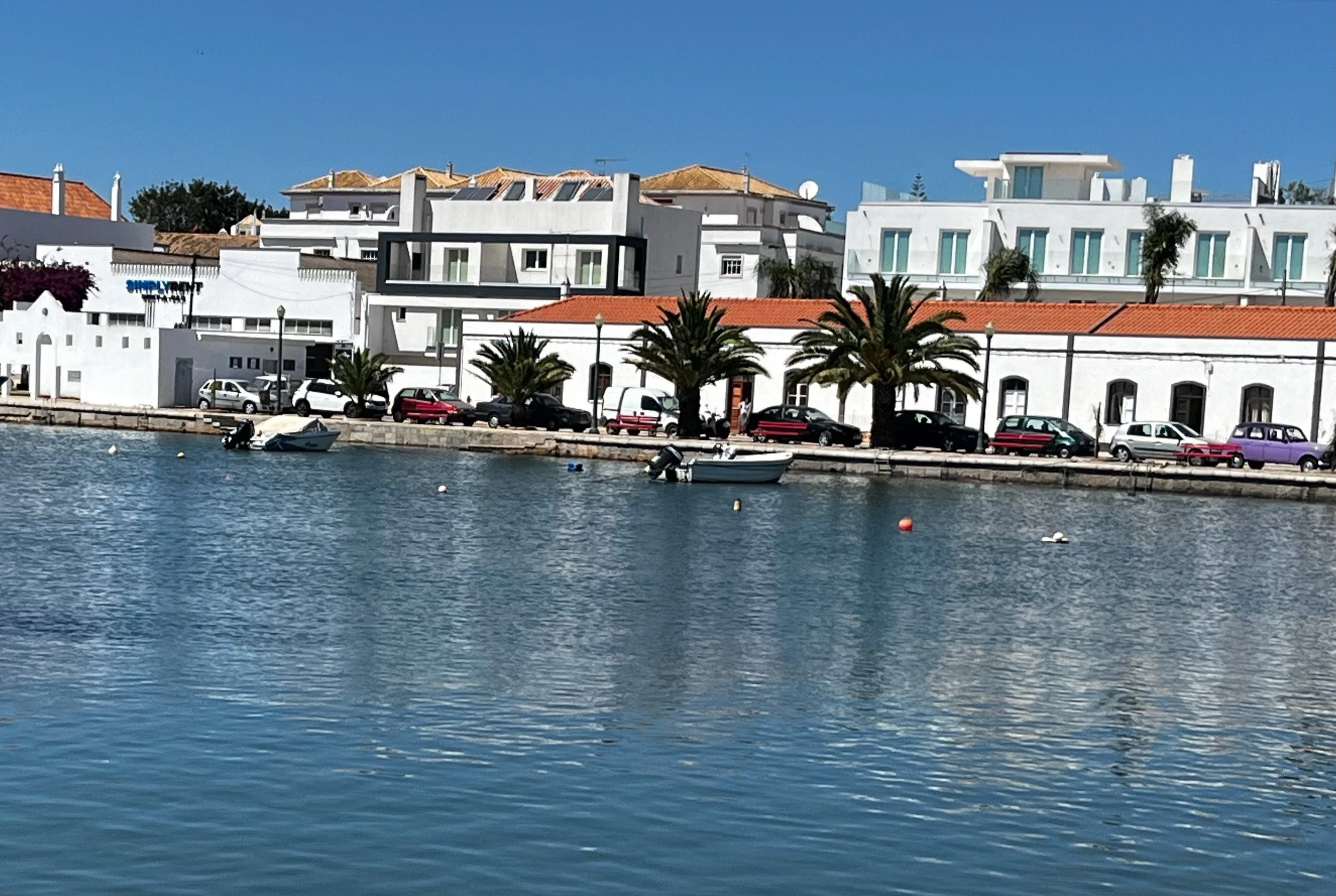
Tavira, Portugal. Photo by Wendy Stieg
For most of us, work is going to be part of the equation. For Paul and me, the goal is to eventually work for ourselves, on our own terms. We also want to live somewhere we can keep learning, growing and becoming part of communities that value everyday personal connections. We're seriously considering Spain, Portugal or France.
Of course, living abroad and learning new languages may not be your cup of tea, and that's perfectly fine! The important thing is to consider how work might fit into your retirement years. Do you want to keep working full time, gradually cut back or pursue something entirely different? Your answer may change as you get older. Staying flexible is the key.
Exploring places you might want to live someday? Airalo Travel eSIMs offer a convenient way to stay connected while traveling internationally, whether you're researching a possible retirement destination or simply enjoying another adventure.
Keep in mind, too, that finding work can become more challenging with age. Despite the difficulties I've experienced in my own job search, I'd do it all over again. By the time I reached the end of my career in education, I knew that chapter of my life was over. Staying in a job that no longer fits who you are or what you want out of life is a terrible idea. A better approach is to recognize when something needs to change and to do something about it.
What Do You Want Your Retirement to Look Like?

The Little Old Lady Who Could, and Did, and Does, a YouTube channel about starting a new life in France at 74. Screenshot: YouTube.
One of the biggest lessons I've learned over the past few years, particularly through the challenges of changing careers and trying to find meaningful work, is just how important it is to have a sense of purpose. I've had plenty of moments when I've questioned where I fit in and what I have left to contribute. But I've also come to realize that my value doesn't disappear simply because I'm getting older or because the job market doesn't always recognize what I have to offer. And neither does yours. I think one of the most important things we can do as we move toward the later stages of our lives is figure out what gives us purpose, because without that sense of direction, it's easy to cling to work simply out of fear of what comes next.
We're rarely encouraged to think about the fact that we get to decide what that purpose looks like. Even more rarely are we reminded that as we age, we're still valuable members of society. Don't let ageism or the challenges of finding work tell you otherwise. You are valuable, and so are your knowledge and experiences. One of the biggest things I've taken away from my own job search is that I am important, I do matter and I still have contributions to make.
I write on Substack and see so many women, in particular, who are continuing to discover new talents, pursue their passions and reinvent themselves later in life. One woman whose story caught my attention is Dierdre Wolownick, an accomplished writer, musician, former teacher and rock climber who became the oldest woman to climb Yosemite's El Capitan in 2017. In a fascinating interview with Oldster Magazine, she talks about how, even as a child, she couldn't understand why people retired only to stop being productive and seemingly wait to die. She decided early on that she would never do that. At 74, she was still making plans to write more books, climb more mountains, travel and make music. I love that! Read her inspiring interview with Oldster Magazine here.
And then there's a woman on YouTube from Middle America who sold her home and everything she owned to buy an old stone house in the French countryside. Her channel, The Little Old Lady Who Could and Did and Does (@thelittleoldlady_101), has 30,000 subscribers and more than 100 videos! She certainly hasn't let society tell her what she can and cannot do. Both of these women are wonderful reminders that getting older doesn't mean we have to stop dreaming, exploring or finding new ways to contribute.
So here's the question: If you stopped letting your age, your job title or other people's expectations define what's possible, what would you actually want to do with the rest of your life?
I've explored some of those possibilities in Have You Considered Spain…for Retirement?, including what makes Spain so appealing for the next chapter of life.
What's Your Timeline, and How Will You Get There?
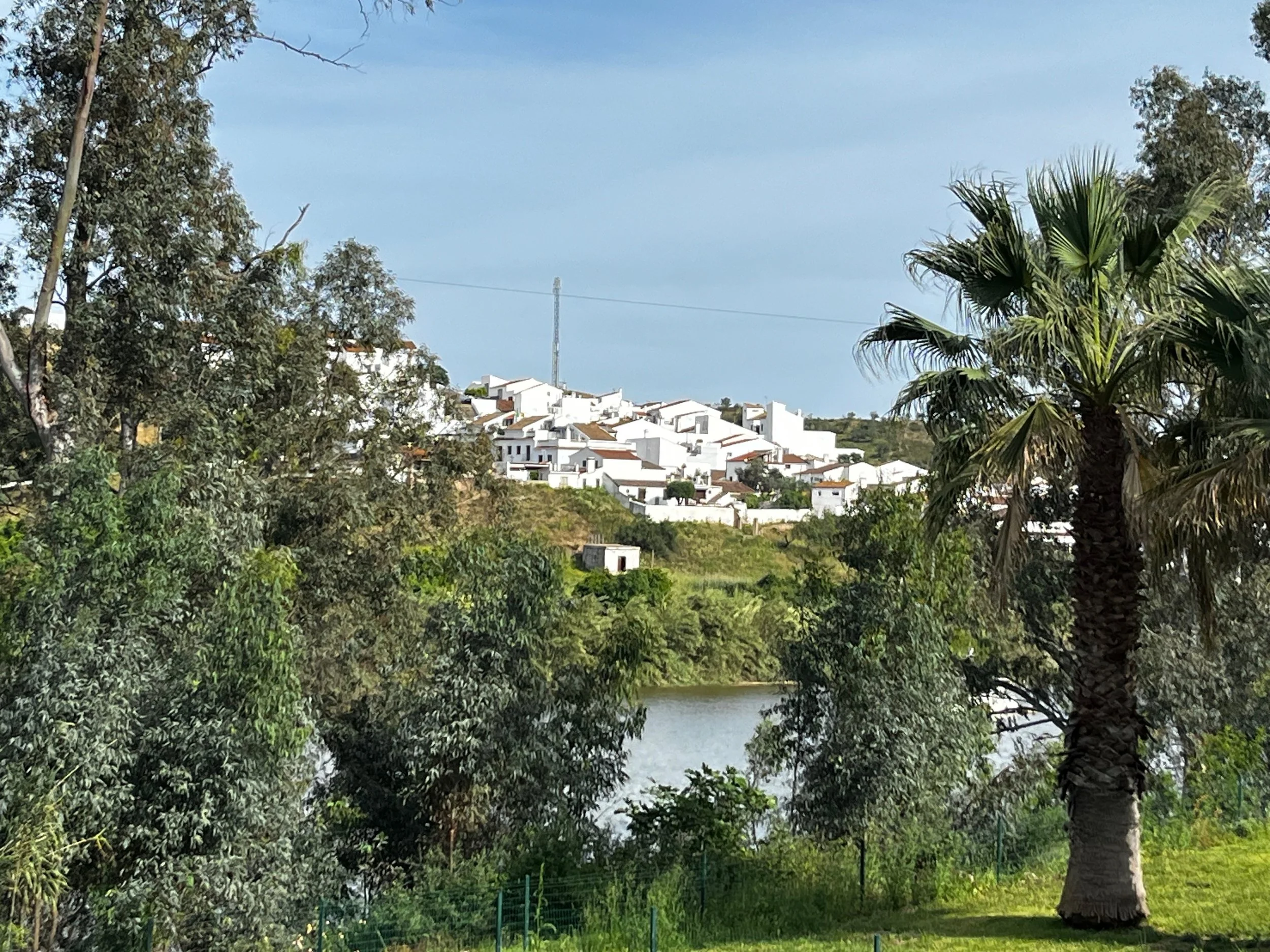
San Lucar, Andalucia, Spain, across the Guadiana River. Photo by Wendy Stieg
Once you've figured out what you want your future to look like, you may finally feel brave enough to start thinking about your timeline! When do you want to begin making changes, and what will it take to get there? Maybe you're hoping to work fewer hours in two years, become self-employed in five or retire completely in 10 years. Your timeline doesn't have to revolve around a traditional retirement age, and it certainly doesn't have to look like anyone else's.
Setting realistic goals can help you focus on strengthening your finances, paying down debt and building savings. And remember, your timeline isn't set in stone. Life changes, circumstances shift and sometimes the plan needs to change. For Paul and me, once we let go of judging where we were financially and where we thought we should be, the creativity really started flowing.
That's also part of the story behind Building Best of Both Worlds, where I discovered that sometimes you have to begin before you have everything figured out.
Have You Talked With a Financial Professional?
Finding a qualified financial planner you trust can go a long way toward making your retirement goals a reality. And you don't necessarily need someone to manage your money on an ongoing basis. Look for fee-only financial planners who offer affordable, one-time consultations or hourly advice.
AARP offers helpful information about finding financial advice. Here are three resources worth exploring:
Garrett Planning Network connects you with financial planners who offer hourly or project-based advice without requiring ongoing financial management.
CFP Board's Let's Make a Plan helps you find Certified Financial Planner (CFP) professionals and verify their credentials.
National Association of Personal Financial Advisors (NAPFA) provides a directory of fee-only fiduciary financial advisers.
Regardless of which resource you choose, verify credentials, ask about fees upfront and make sure the planner understands your goals. You don't have to be wealthy to benefit from good financial advice. In fact, getting some professional guidance while you're still figuring things out may be one of the smartest investments you can make in your future. The most important thing is finding a financial planner who helps you build your future rather than lecturing you about your past financial decisions.
In Closing
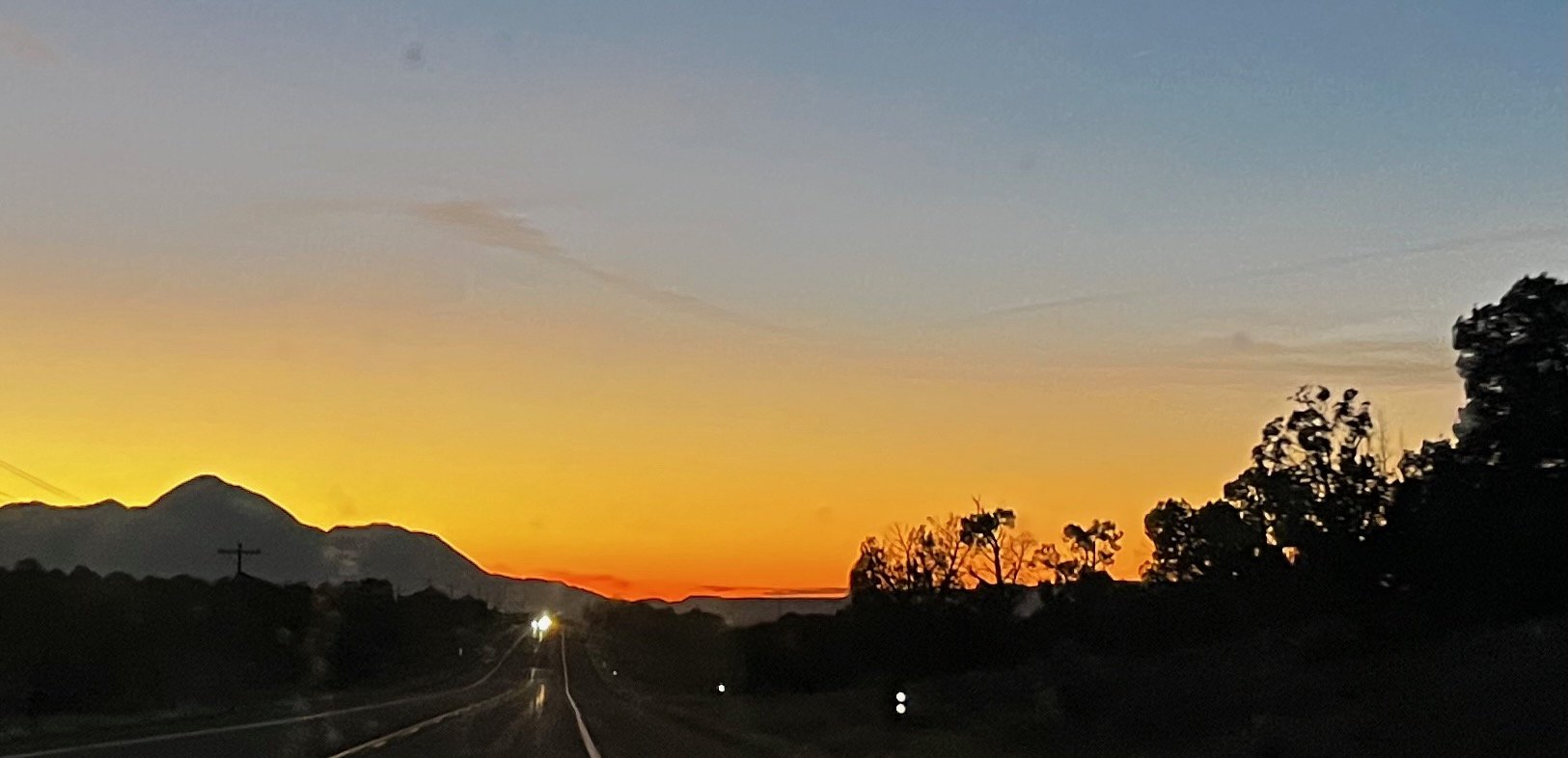
Somewhere near Rico, Colorado. Photo by Wendy Stieg
You don't have to have everything figured out today. Paul and I certainly don't! But the important thing is to start. Take an honest look at where you are, think about what you want your life to look like and begin taking steps to make it happen. And don't underestimate the importance of having a sense of purpose. Knowing what gives your life meaning can be the very thing that fuels everything else you do, from the goals you set to the choices you make as you move through life beyond working. Your plans will probably change. Ours certainly have, more times than I can count! But that's part of figuring it out. And maybe that's the biggest thing I've learned: Retirement doesn't have to be about figuring out when you're going to stop working. It can be about figuring out how you want to start living.
