
Planning is bringing the future into the present so that you can do something about it now. —Alan Lakein
October’s Blueprint: Get Ready, Get Set
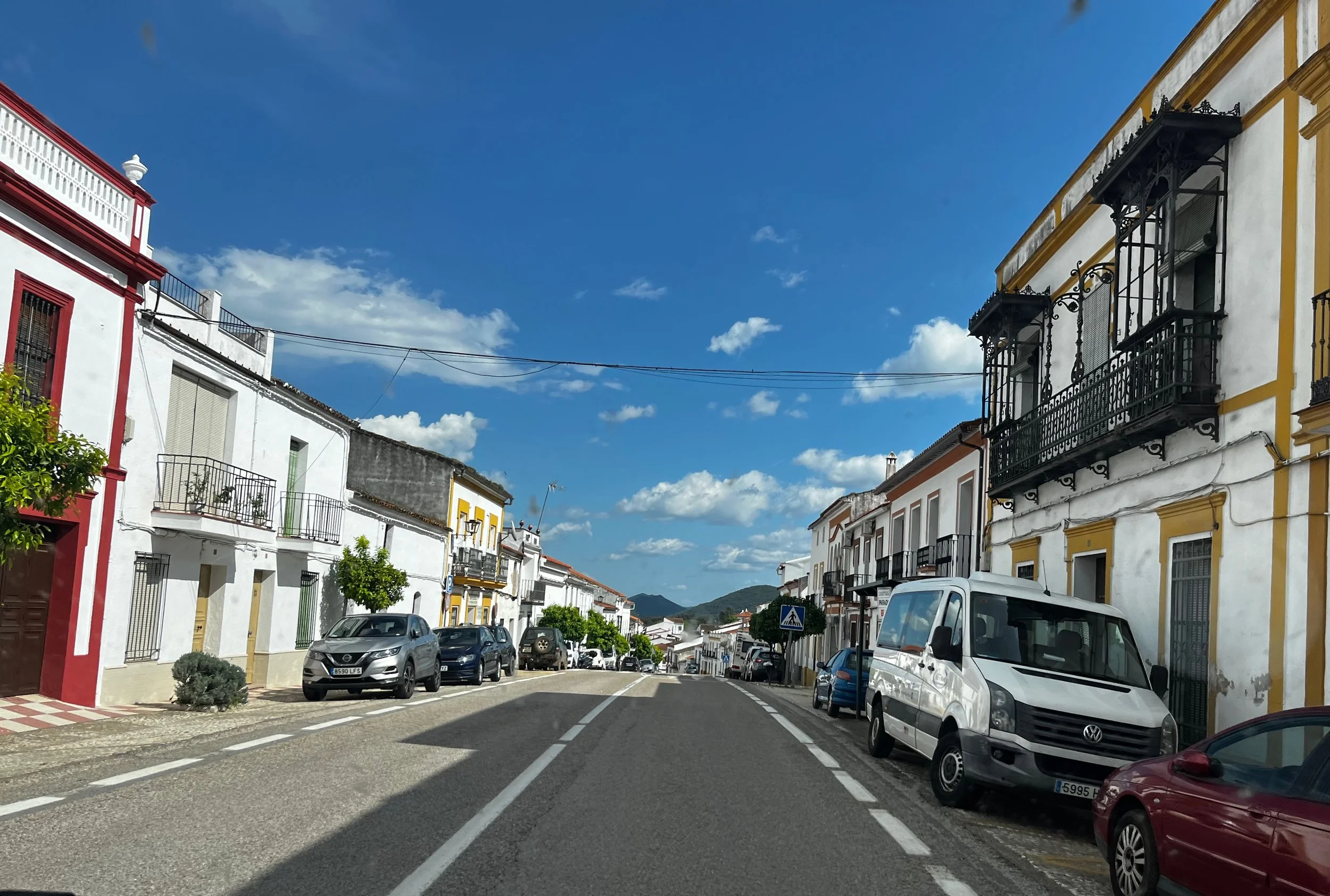
What Caught Our Attention
Andalusia Village in Spain. Photo by Wendy Stieg
Our shop has grown! Alongside the Bon Voyage™ travel keepsakes and planners, you’ll now find clothing and drinkware featuring my travel-inspired designs. Explore the Best of Both Worlds shop and find something for your next adventure.
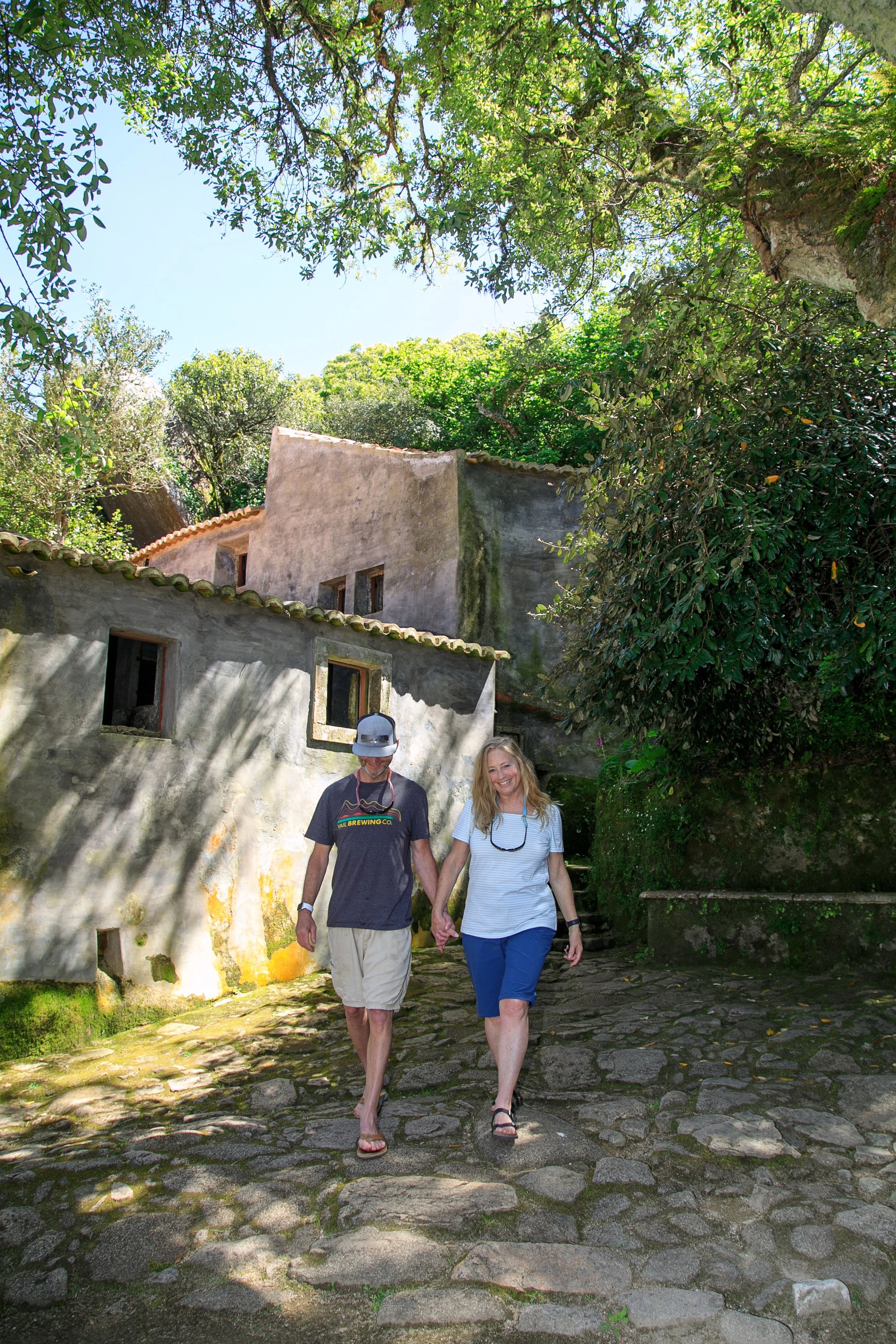
Wendy and Paul at Convento dos Capuchos, Sintra, Portugal Photo by Miguel Rodrigues
Six years ago, we started looking at our lives together and realized we were spinning our wheels. There we were making more money than we had ever made in our lives, and we were still nowhere near our financial goals. We had barely thought about retirement. We had both been through challenges with finances over the years, but why if we were making more money than we had ever made, were we stressed beyond belief, scrambling to get the bills paid and nowhere near what we thought we needed to even think about retiring?
Paul was counting the days to age 62 ½ and wanted to stop working then. I love that idea. Except it couldn’t have worked because when we ripped the band-aid off and looked at our retirement accounts and Social Security, it looked good. At that point, the money we would have coming in if we both retired at age 62 ½ t have’t have been enough. Our spending was out of control, and our savings were dismal. We were also in debt.
Planning a scouting trip to Europe? Renting a car can help you explore towns you might one day call home. Compare rental options through AutoEurope.
What Do You Do When You Realize You Need a Better Plan?
The first thing we did was to start working on our debt. I had also found information on getting my student loans repaid, applied, and followed up on that. Over the years, there have been many ways for teachers to get assistance with that. I had no problem with that whatsoever. After spending years working in an industry that paid little, when the time came for me to get assistance paying off my student loans, I went for it. Using the snowball method, we paid off our lowest debts first, and then took that monthly payment and put it together with our next lowest debt, and moved through each of our debts until we paid off all of our debt. We did end up digging ourselves out of debt. But that is not the end of the story.
The debt snowball method was popularized by Dave Ramsey. Here is a great explanation of how to put this into action. Patience and consistency are your friends here.
We recognize that people have all kinds of different scenarios when they get to retirement. What we are presenting here is an ongoing discussion and best practices for figuring out how to manage your financial life when things didn’t go as you planned. Or maybe even some of your pictures are great, but other areas need tweaking. This ongoing discussion aims to support anyone thinking about simple things they can do to shore up how they plan to retire. We are still in the messy middle, and figuring it out. But we have also learned a lot along the way, and aim to share that with you.
I wrote a brief series on potential countries and retirement abroad. Have you considered Portugal?
This month’s Blueprint is just the beginning of an ongoing discussion of how to make smart decisions starting today, even if you have made less than ideal decisions in the past. Our plan comes from two people with very little money but who have managed on a shoestring for most of their lives. I love the idea of taking money suggestions from already wealthy people, but what about regular people like us, who just want to live their golden years in dignity and joy? We have worked hard our whole lives. And many things have felt stacked against us. But here is what we are not going to do: retire how “they” say you should do it. First off, we can’t. And second, there is no giant hand in the sky. We have to be the giant hand.
Trying new ideas has been part of our plan, and Building Best of Both Worlds shares what we learned by getting started.
Blueprint for Developing a Plan
What I am planning for this quarter is to have an ongoing theme within the Blueprint Framework that discusses the following: How do you get out of debt, stop spending too much, and constantly seeing higher and higher prices, and how do you do it so that you can actually get to retirement in five to ten years?
France is another country we have considered. I wrote another article in that series; see if France could be for you!
These are the topics I am going to explore:
Begin with where you are today.
We can start with: listing savings, debt, housing costs, expected benefits, and current income. Leave the judgment out of it. Understanding the situation shows you have something concrete to change.Define the life you want retirement to make possible.
More time together? Less demanding work? Travel? A walkable community? A secure home? Together we can discover several ways to reach those goals, including a gradual transition.
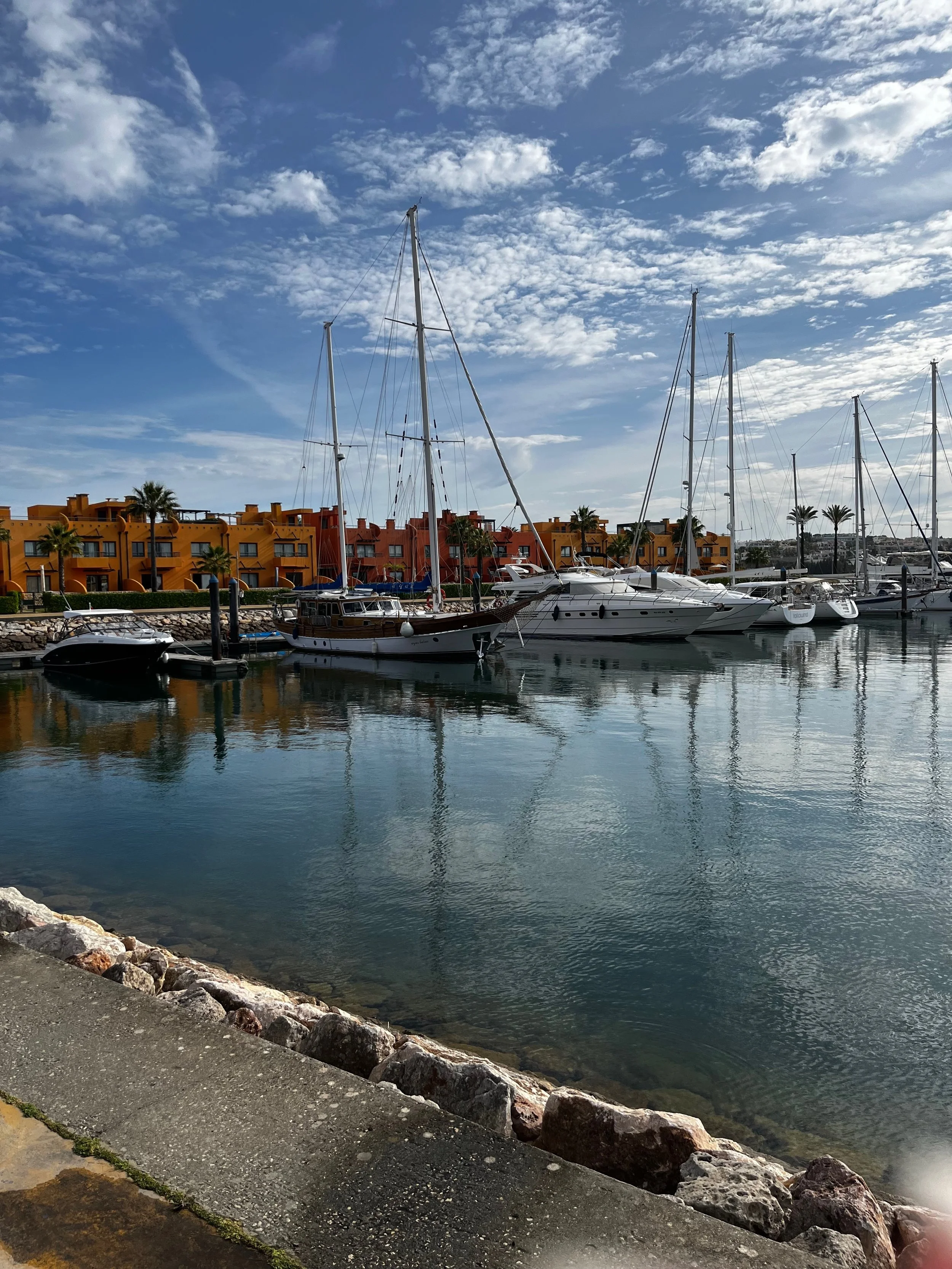
Sailboats in Portimão, Portugal. A reminder of the everyday life we’re working toward. Photo by Wendy Stieg

In the Beginning of Thinking About Retiring
Talking about and thinking about retirement has always given me anxiety. I feel like I have been playing catch-up with money my whole life. There is only one person to look to for blame or fault, but spending too much time creating ways to make myself feel guilty is counterproductive. I could probably fill a book with all of that, and that is not where I want to spend my time or energy. Instead, I prefer to take a rational approach. Where are we, and what do we need in order to become financially viable for the later years of our lives?
October’s Muse introduced us to the idea that we will be providing an ongoing series addressing late, unique retirements.
We had plans to reduce the amount of money spent on housing, the overall cost of living, and to find a way to be able to stretch what money we do have. We also want to live a purpose-filled, meaningful life. We want enough financial freedom that we can manage the last part of our lives. When we think about what we can do about our situation, the energy of fear and worry dissipates and leaves resolve and confidence in its place.
Wanting to live a purpose-filled, meaningful life is what inspired I Don’t Want to Escape My Life. I Want to Build a Better One.
3. Calculate a monthly income gap.
Start with realistic spending and subtract dependable, after-tax income. For illustration, a household needing $3,500 a month with $2,500 in dependable income has a $1,000 gap. That gives you a more realistic understanding of the problem so you can find ways to address the shortage.
4. Consider retirement in stages.
A possible sequence is stabilizing finances, rebuilding a cushion, testing a different lifestyle, and reducing work when the numbers support it. This makes progress visible even when stopping work completely is years away.
5. Look for work you can sustain.
Explore fewer hours, a different role, seasonal employment, or an existing skill that can earn money. Recognize that health, hiring barriers, and energy limits are things you may run into. Any plan involving work also needs an alternative if that income stops.
6. Keep business possibilities separate from dependable income.
You could pursue things like writing, consulting, products, or other projects while counting only money you are already earning in your retirement budget. You can try new ideas without counting on them to pay the bills right away.
7. Examine the biggest recurring costs.
Housing and transportation deserve close attention. Ask what a change would actually save after moving costs, repairs, taxes, and other expenses. Where you live, what you need from that community and when are all important considerations.
8. Exploring life abroad: How do lifestyle, purpose, health, healthcare, food, taxes and just generally how you live come into the equation?
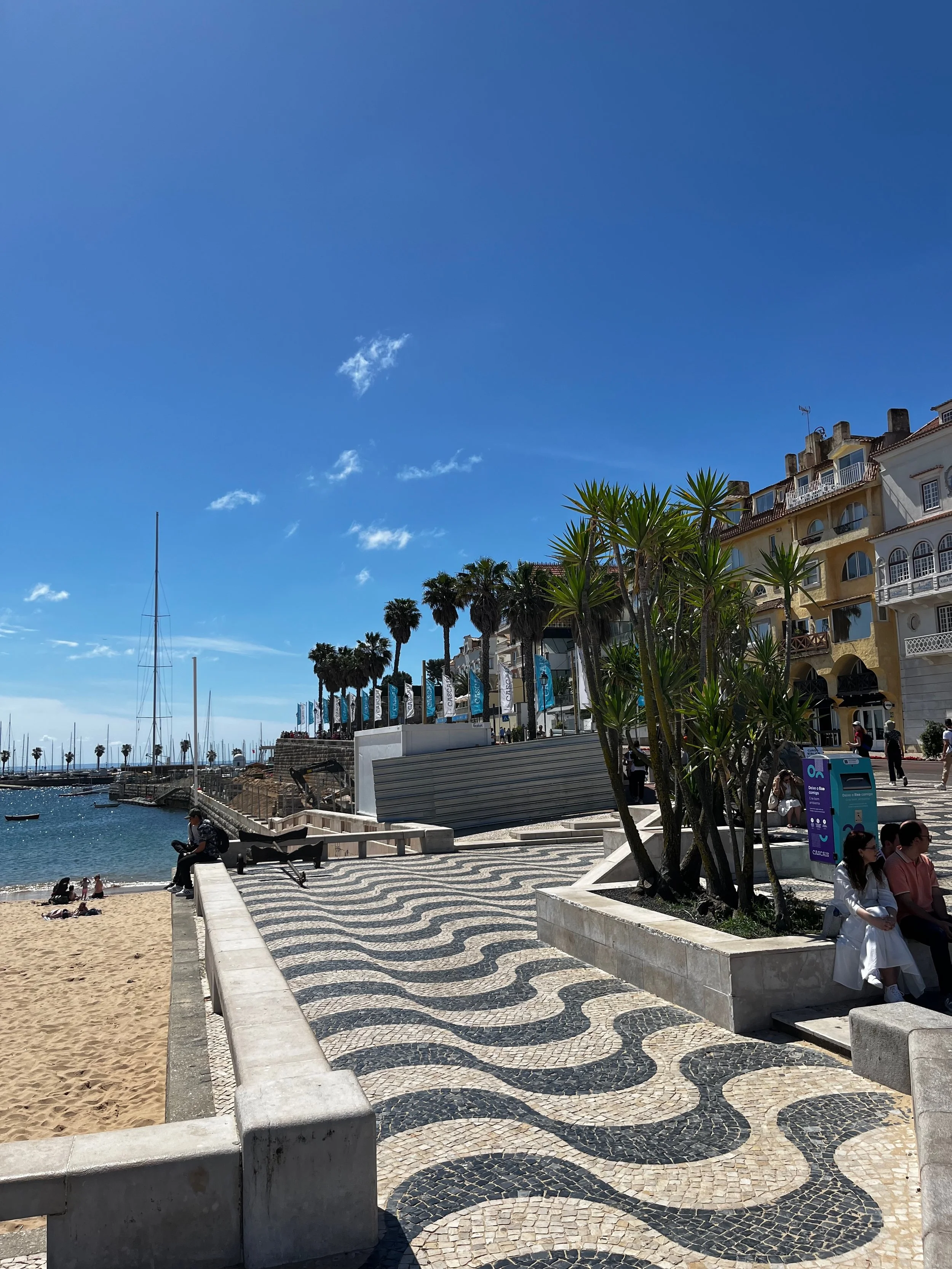
Waterfront promenade in Cascais, Portugal. Photo by Wendy Stieg
9. Start thinking about what your strengths are: Which of those strengths could still be marketable, but in ways other than holding a job?
10. Develop a mindset of income streams: Find ways to create or build something once that provides ongoing income, and building several scenarios like that means you don’t rely on just one source of income. The good news is that today, more than ever, you can learn a new skill and develop a way to have it help you earn money.
11. Get spending under control and make room for saving. Look at where your money goes, what you can change, and how to build a regular saving habit, even if you start small
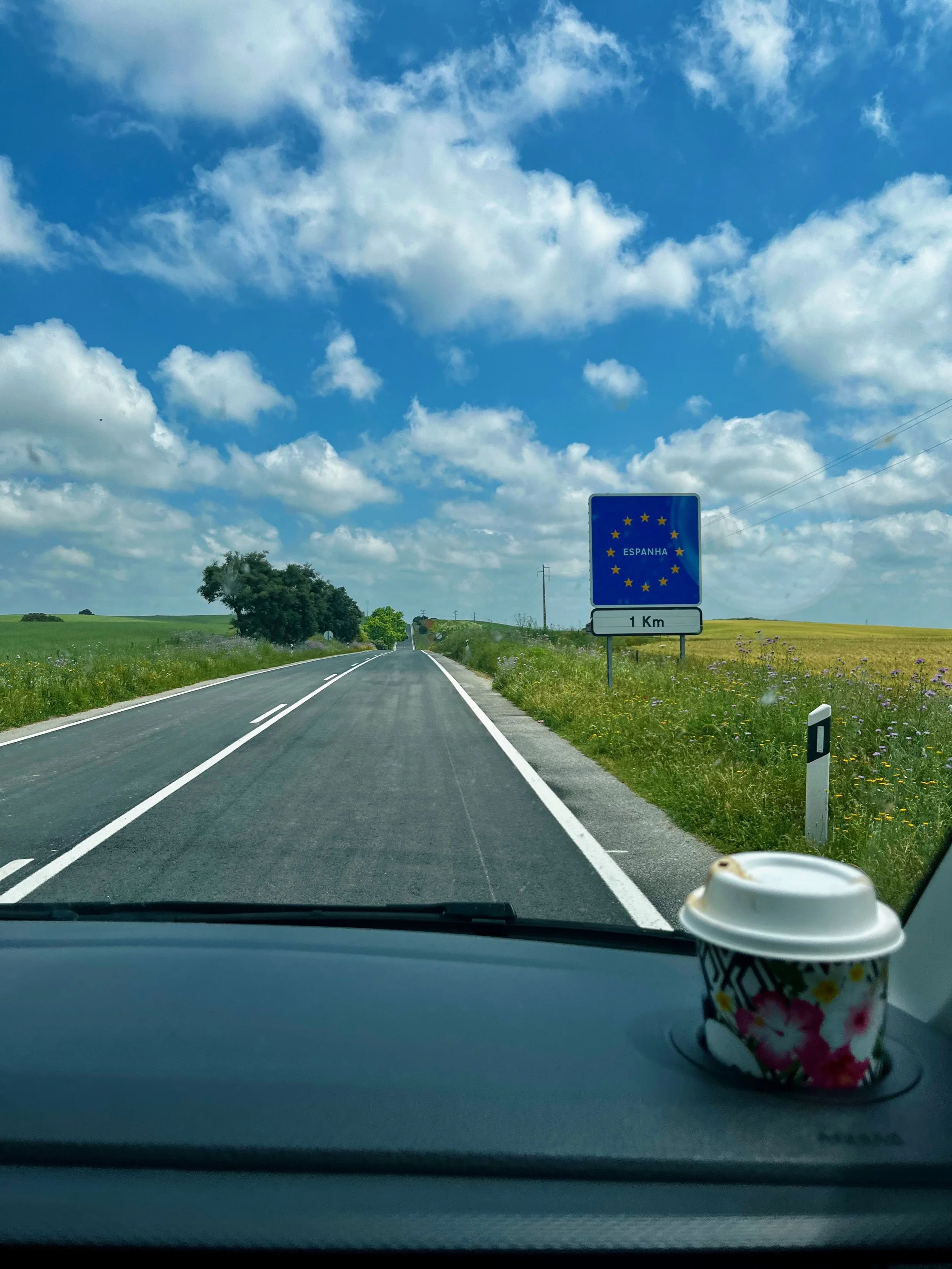
Entering Andalusia, Spain, from Portugal. Photo by Wendy Stieg
Let’s Explore How to Solve This Together
So join me as I dive into these topics over the next three months in an effort to build my program better and stronger. Unemployment can also interrupt your plans, as it did ours. Shoring up a job is still a great way to earn steady income, but that can’t be your plan until you turn 80. I have watched family members do this, and it didn’t work out well for them. There is always another way to do anything. We will just have to discover, together, what those ways are. Thinking through how we are going to navigate a successful retirement will help ease the stress and the reality of finding a way that works for you.
Exploring life abroad is one possibility we’re considering, and Have You Considered Spain…for Retirement? Is a look at what that next chapter could offer.