
Retiring in Portugal: Is It Still as Easy and Affordable as Ever?
Has Portugal changed, or have we?
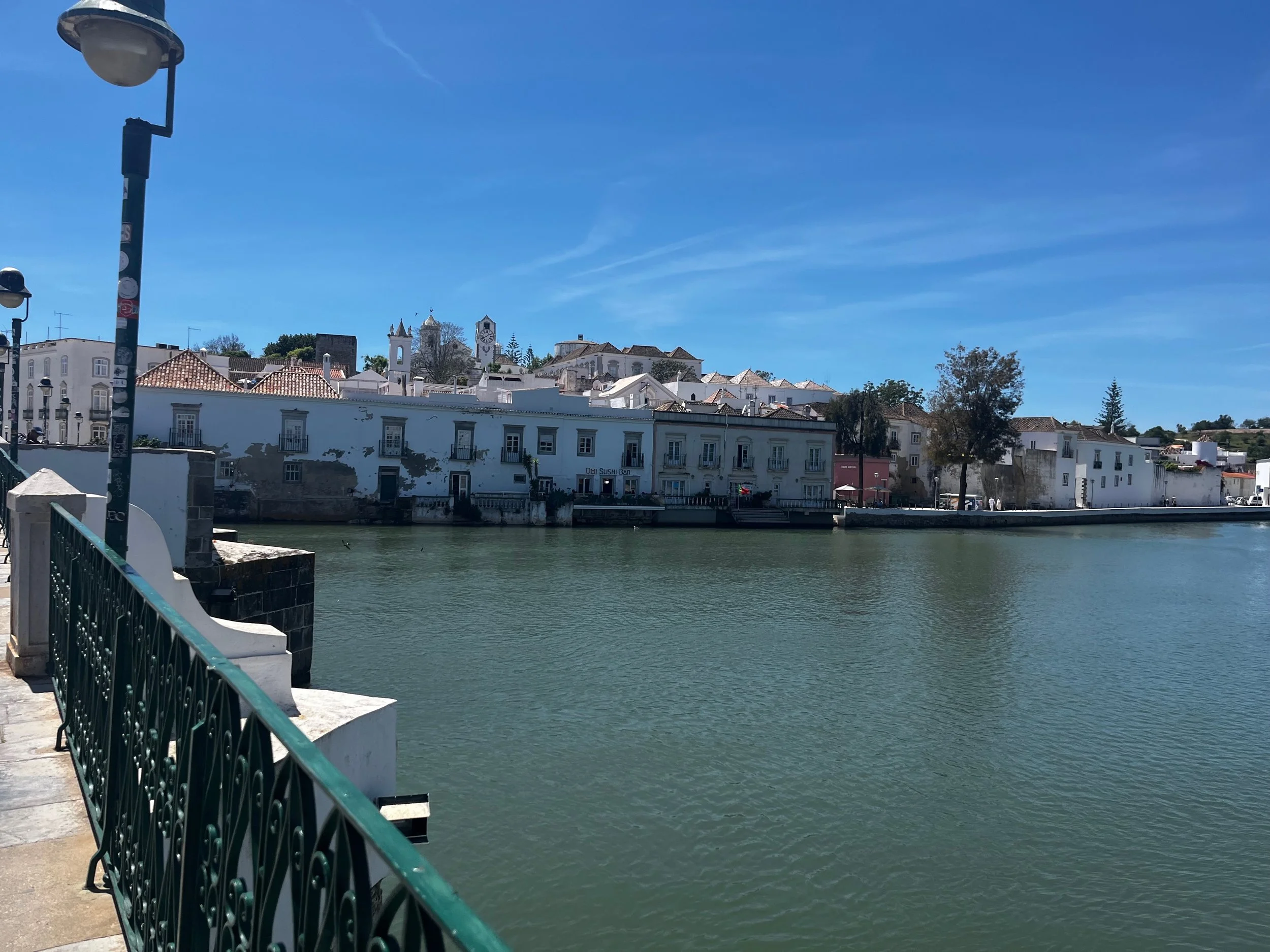
Tavira from the Roman Bridge: This is where Portugal captured our hearts. Photo by Wendy Stieg
EUROPEAN RETIREMENT SERIES
Finding the Right Fit
Freedom, Not Retirement
This series isn’t really about retirement. It’s about freedom. When I think about it, I actually don’t think most people want to win the lottery. I think what they really want is agency. Remember that story we were sold?
I wrote extensively about this in The Next There, which takes a serious look at what you believe.
For starters, I really don’t like the word “retirement.” That model made sense in 1935. Today, many people are healthier, living much longer, changing careers multiple times, starting businesses later in life, and working well into their seventies and eighties; not because they have to, but because they want to. That's why I struggle with the word "retirement."
We're not trying to stop working. We're trying to stop living someone else's definition of work. I also discovered how hard it is even to find employment as you get older. Be that as it may, I prefer to have agency over what I do with the rest of my life. Depending entirely on working as an employee, hoping everything will go the way I want it, isn't agency. I plan that I will be 95, still driving because I can, still hiking, still skiing, still having animals, and still have agency and authority over my life. I actively work to be healthy and to stay connected. I am not stopping, waiting…waiting for what, to die?
Of course I will slow down, but I haven’t yet…slow has never been a part of my vocabulary. What have I done in the past two years? Learned Portuguese, explored a new way to address our life as we age, wrote a book, now in the final stages of self-publishing, built a website, created a new business, am creating digital products, and moved a couple of times. I believe life is the art of continuous refinement. Then you decide you want something else! And on and on!
When I think of the Best of Both Worlds Blog, I think about how I have created an asset. I get to do work I love, and I have been building an audience for over 2 years. The real shift was my relaunch in October, and thanks to all of you, I can continue doing what I love. I believe others feel as I do, in wanting more agency, more authority, more decision-making in our own lives. And what if things don’t go exactly as I plan? Well, when have they ever? I will pivot as needed and continue to refine.
I also believe the life I want is already here; I have to keep moving forward. Paul, too, has been chock-full of ideas. Ask anyone who knows him well. He might even build a bike that can pull a little cart with hot dogs, and sell them. What? A vegetarian selling hot dogs? You will have to ask Paul about that one, but I love the creativity! Which brings me back to Portugal. Let’s start where we began, when we thought we had the answer, and then discuss what it means for us going forward!
Why Portugal?
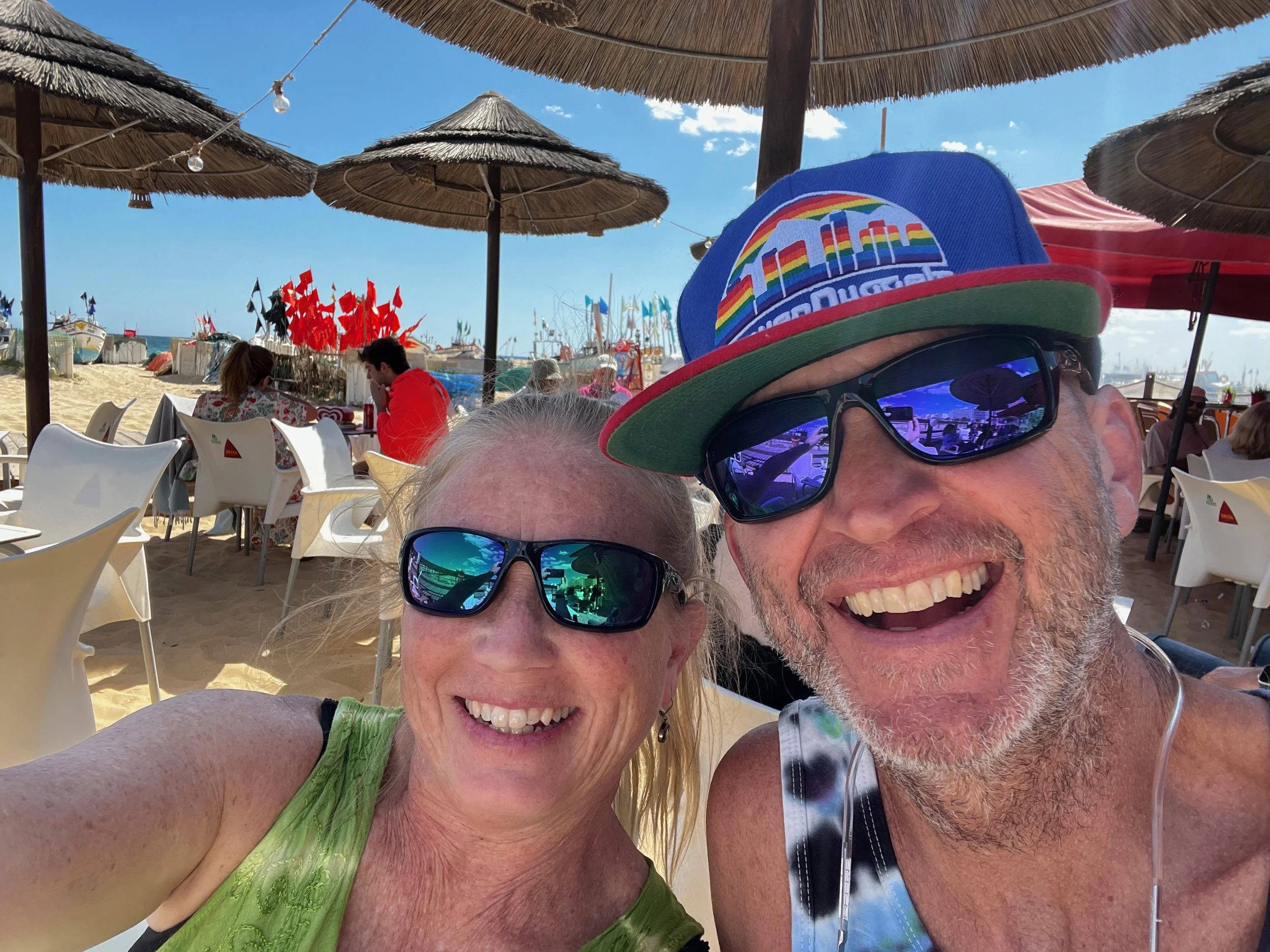
We could do this every day! Monte Gordo, Faro, Portugal. Photo by Wendy Stieg
Portugal captured our imagination, showed us life could be incredible and different, and gave us ideas about how there is always more than one way to do anything. Many other Americans in our age bracket, seeking a different way to spend their later years, found some of the same things intriguing. Portugal is very welcoming. In fact, I couldn’t shake the familiarity I felt every time I went there. I later realized that it connected with the time I spent in Hawaii. Hawaii has the Aloha Spirit. That is not just Hawaiian. Hawaii also has a very large Portuguese population. The ukulele developed from small stringed instruments brought to Hawaii by Portuguese immigrants. That demonstrates that idea of a blend of cultures arriving at what Hawaii is today. But that warm, inviting, loving spirit is evident everywhere you go in Portugal.
Portugal also has a slower pace of life. Life is not meant to be rushed; it is meant to be lived and experienced. Portugal is one of the safest countries in the world. Portugal ranks as the seventh-most peaceful country in the world in the 2026 Global Peace Index. Life on the Atlantic determines its food culture, which is spectacular. Wines in Portugal are also excellent. Plus, it has been historically affordable. It also has easy access to the rest of Europe. Portugal is still an incredible country, but has anything changed?
Which Areas Are We Interested In?
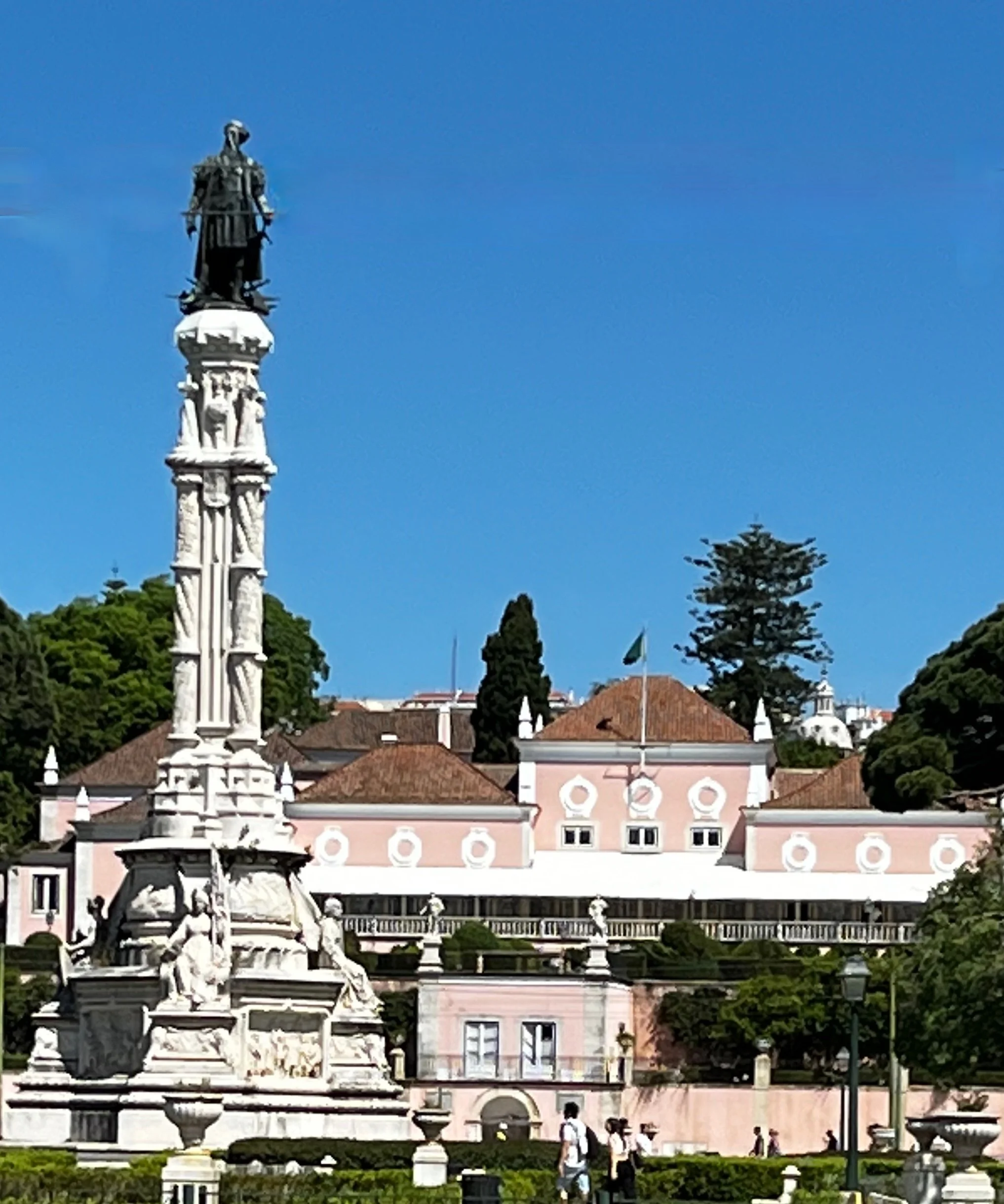
Portugal Still Enchants Us. Belém, Lisbon, Portugal. Photo by Wendy Stieg
We were initially interested in Lisbon, especially the Cascais and Sintra areas. But we also considered the Silver Coast, Porto, and Alentejo before falling in love with the Algarve. We started out wanting to be close to the beach, but found a little cottage that was 15 minutes to the Spain border, 25 minutes to the beach, close to Vila Real de Santo Antonio, Monte Gordo, and Tavira.
Ironically, the first place we felt a really deep connection to was Tavira. Looking back, if we ever decide to move to Portugal, Tavira would still be high on my list. It was definitely my favorite place. What we discovered was this sense that we really do want the Best of Both Worlds. It’s not just a catchphrase. We found that same influence at play in Colorado. We have lived in Boulder County, Summit County, Lake County, Eagle County, and most recently Montezuma County. Colorado has some of the same challenges Portugal does: Many areas are overrun with Airbnbs and have become impossible to buy there, which means that it is not even a remote possibility that we could afford to live there. But we have found the sweet spot in Montrose. We are at the gateway to the adventures we love. We're close to skiing, surrounded by incredible hiking and mountain biking, have plenty of water for stand-up paddleboarding, and there is actually quite a bit of live music here as well.

The cottage in Alcarias Grandes. Photo by Wendy Stieg
Tavira is our sweet spot if we think about Portugal again, at least for now. What changed wasn't Portugal as much as our understanding of what we were looking for. The most important thing we learned in that first attempt was that visiting somewhere and living there are two very different things. Also, this is not something to be rushed. It forced us to think about what we want in the place we live. Here is our short list, which includes:
An airport
Good access to medical facilities
Nearby activities we love to do
Cool coffee shops/coffee culture
Good restaurants
Music
Community
Colorado and Europe are very different. But we do have the mountain area where we are now. My dream would be to be within 40 minutes to a beach, close to major trains, and many of the same things we love about Colorado. Ironically, Spain/Portugal and Colorado have a similar latitude. Maybe that's why we have always been drawn to living between the 37th and 40th parallels.
What about now? Our goal is to broaden our search, stay open, and seriously consider Spain, France, and yes, still Portugal. One of the last things I will mention here is language. When moving to a non-English-speaking country like the countries we are interested in, you have to make an investment in learning the language. And actually, Europe is multilingual. I have caught Paul saying he has a harder time learning languages than I do, which may be true, but it still takes a commitment. Yes, there are expat groups where you can spend a lot of your time speaking English, but why would you move to a foreign country and not learn the language? If you continue to learn, your brain continues to grow. We are not going to move somewhere, curl up, and wait to die. To us, learning the language isn't an obstacle. It's part of the adventure.
Have You Considered Spain… for Retirement? explores the different regions of Spain we are considering as we broaden our search beyond Portugal.
Retiring in Portugal FAQs
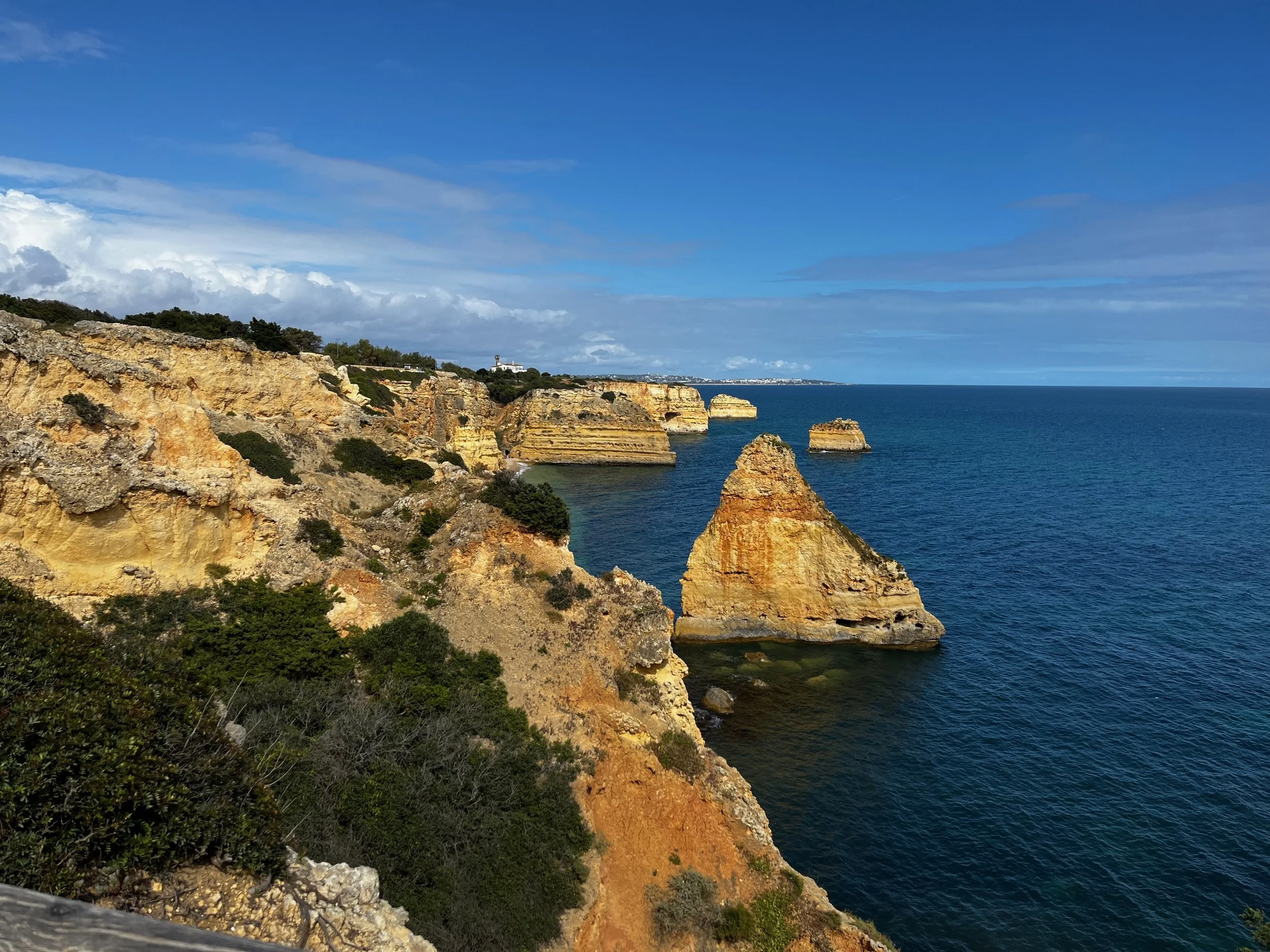
We still dream of Portugal. Photo by Wendy Stieg
Can Americans Retire in Portugal?
Yes. Americans can absolutely retire in Portugal. If you plan to stay longer than 90 days, however, you will need the appropriate long-term residence visa before making the move. Unlike Spain’s Non-Lucrative Visa, Portugal generally allows legal residents to register for its public healthcare system after arrival. France also provides a route into its public system after establishing stable legal residence, although the process and waiting period differ.
Which Visas Exist Today?
Portugal no longer has a visa officially called a "retirement visa," but retirees generally apply through one of several residence pathways.
Passive Income (D7) Visa: Traditionally the most popular option for retirees who receive Social Security, pensions, investments, or other recurring passive income.
Digital Nomad (D8) Visa: Designed for people who continue working remotely for clients or employers outside Portugal.
Other Residence Options: Portugal also offers visas for entrepreneurs, investors, and other situations depending on your circumstances.
The important thing is choosing the visa that best fits how you actually plan to live.
Has Portugal Changed?
Yes, but not in the ways many people think. Portugal is still one of the safest and most welcoming countries in the world. The slower pace of life, incredible food, beautiful coastline, and friendly people haven't changed.
What has changed is affordability. Portugal's popularity has driven housing prices higher, particularly in Lisbon, Porto, and much of the Algarve. The days of finding inexpensive coastal properties with little competition are largely gone.
That doesn't mean Portugal is no longer affordable. It simply means you may need to look beyond the best-known destinations and think carefully about what kind of lifestyle you really want.
How Much Income Do You Need?
Portugal's financial requirements depend on the visa you apply for and are updated periodically. As a general guideline, applicants must demonstrate a reliable source of income sufficient to support themselves without relying on Portuguese public assistance. Couples should expect to show a higher amount than an individual applicant, and additional savings strengthen an application.
For us, the Digital Nomad Visa appears to make the most sense because we're building remote businesses rather than planning to stop working. At today's requirements, the primary applicant would need to demonstrate roughly €44,000 in documented annual remote income, although we'd feel more comfortable having an annual income of $55,000. Based on Portugal’s current means-of-support formula, a couple in our situation should be prepared to demonstrate approximately €16,560 in available financial resources for a year, although the exact documentation required can depend on the visa and consulate. We would want to have a minimum of $20,000 in the bank. The idea isn't that you're expected to spend it. Rather, it demonstrates that you have the resources to support yourselves if unexpected expenses arise during your move and transition.
Always verify the current requirements before applying, as they can change. Here are two official government websites that give you this information as it may relate to your circumstances:
Portugal's official government immigration guide: This is the best place to start because it explains the different visa categories in plain language. Portugal Government – Visas and Residence Permits Guide
AIMA (Agência para a Integração, Migrações e Asilo): This is the Portuguese immigration authority that replaced SEF. It contains the official legal requirements, documentation, and residence permit information. AIMA – Official Immigration Portal
Can Foreigners Buy Property?
Yes. Americans and other foreign nationals can purchase property in Portugal.
One of the things we appreciated while researching Portugal was that foreigners generally have the same property ownership rights as Portuguese citizens. The challenge today isn't whether you can buy, it's finding the right property at the right price.
Has Portugal Become More Expensive?
Yes. Housing has increased dramatically over the past several years, especially in Lisbon, Porto, and the Algarve. That doesn't mean bargains don't exist, but they are generally found farther inland or in smaller villages that may not offer the lifestyle everyone is seeking. That's one of the biggest reasons our own search has expanded beyond Portugal alone.
Is It Difficult?
I would describe Portugal as moderately difficult. The visa process isn't impossible, but it does require planning, patience, paperwork, and organization.
Portugal is also known for bureaucracy. Things often move at a different pace than many Americans are accustomed to. If you're willing to embrace that slower pace, most people eventually adjust quite well.
Why Wouldn't We Recommend Getting a Mortgage?
This isn't financial advice. It's simply the conclusion we've reached for ourselves. We would much rather buy property outright. Mortgages introduce another layer of complexity when purchasing property overseas. They also take a LONG time to orchestrate. In our case, it took well over six months. In that time we: refinanced our new house, had several job changes, and were being held to this challenging standard for months and months at a time.
For us, buying outright offers several advantages:
No monthly mortgage payment.
No interest costs over the life of the loan.
No concerns about qualifying with a foreign lender.
Less exposure to exchange-rate fluctuations if your income is in U.S. dollars.
Greater financial flexibility.
More freedom.
That doesn't mean it's the right choice for everyone. Owning a modest home outright gives us one less thing to worry about and allows us to focus on what attracted us to Portugal in the first place: living well rather than simply owning more.
Is Portugal Right for You?
Portugal may be right if you have regular passive or remote income that is above the minimum required. Be sure to check the official government websites listed above, and even consider working with an immigration expert to help you determine which visa best fits your particular circumstances. It may also be right for you if you love community, safety, welcoming people and incredible beauty and a life either near the ocean or inland.
Portugal may not be right for you if you don’t have a way to support yourself that you can prove on paper. Speaking of paper, the bureaucracy has gotten worse, if anything. So don't take that lightly. There are rising prices, some of the villages are VERY remote and require a lot of renovation. We have also noticed that there are areas of Portugal that seem a bit run-down. That could be an opportunity for some, however.
So Has Portugal Changed, or Have We?
I don’t think Portugal is a bad choice, but for us, it has become a different choice. I still think it is a viable alternative to retiring in the United States. It is a great possibility for where we will spend our later years. But our experiences taught us that living somewhere is far different than you initially expect. Paul has said a lot lately, “We’re not giving up on Portugal, are we?” To which I respond, “Heck no! But I do see an opportunity in experiencing more of the Iberian Peninsula, and also France as strong possible options for buying property and investing in a foreign country.” Portugal is still on our list of countries. Another important realization is that we have not yet concluded. I feel that really allowing ourselves to seriously consider Portugal, Spain, and France will help us make the best long-term decision. The experience we had trying to buy property in Portugal has led us to these conclusions. I see that as immensely positive.
Where we have landed is a feeling. I think that feeling is what you are searching for when you travel. But where you live has to match that feeling you have toward the area in which you live. It’s not the plan, not the visa. Not the mortgage, and not even how you are going to earn money. We recognize that we are still in the messy middle. But I know exactly what I am looking for. Cozy. Fun. Interesting. My happy place. And there will be cats.
Retiring in France: Is It the Right Choice for You? looks at another possibility that surprised us as we began asking what we truly want from the next part of our lives.

In my dreams: My happy place, somewhere inside of a French Impressionist painting.
